Get a Free Quote

Our representative will contact you soon.
Email
Mobile
Country/Region
Required Product
Name
Company Name
Message
0/1000

MBR MEMBRANE

MBR Membrane

Product Description
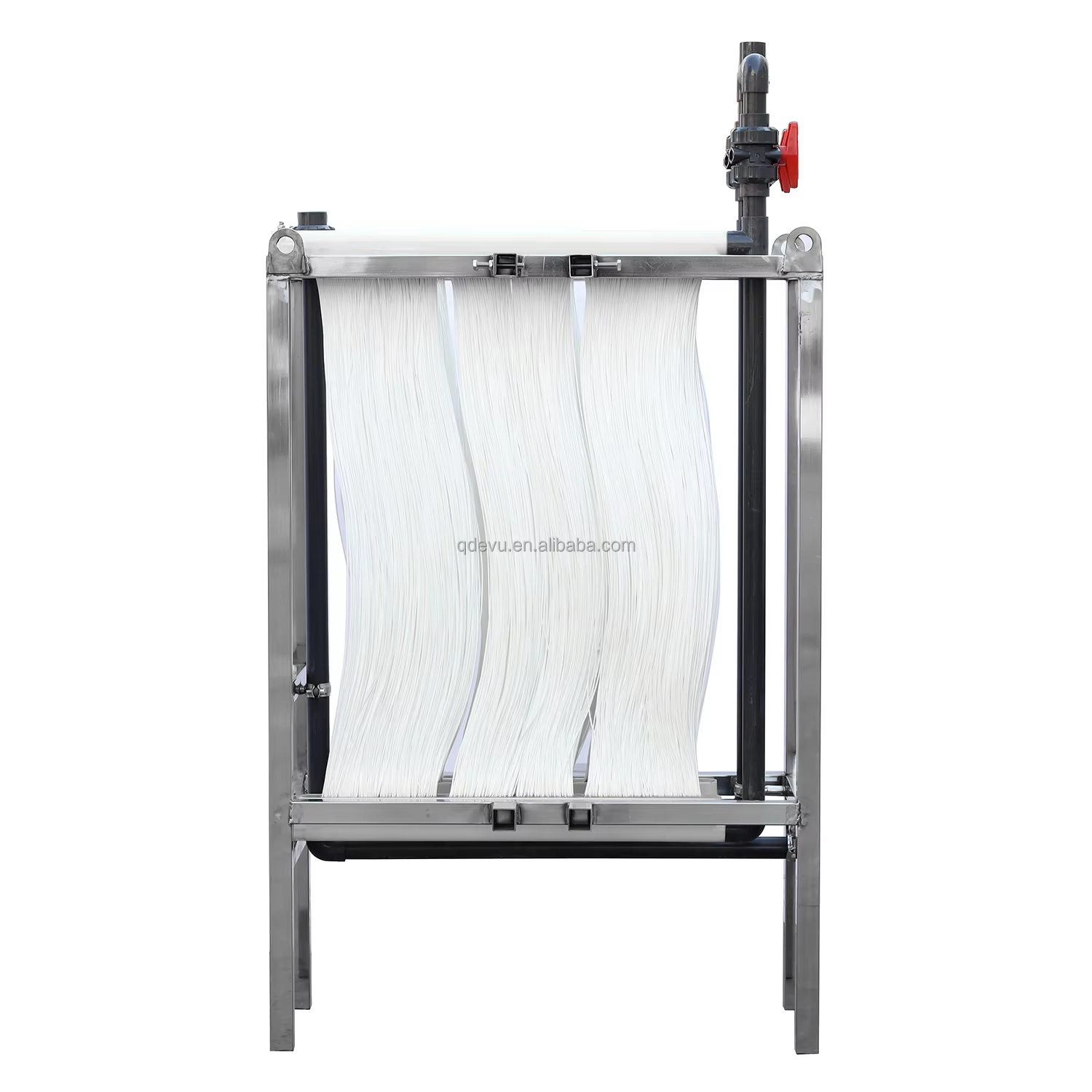
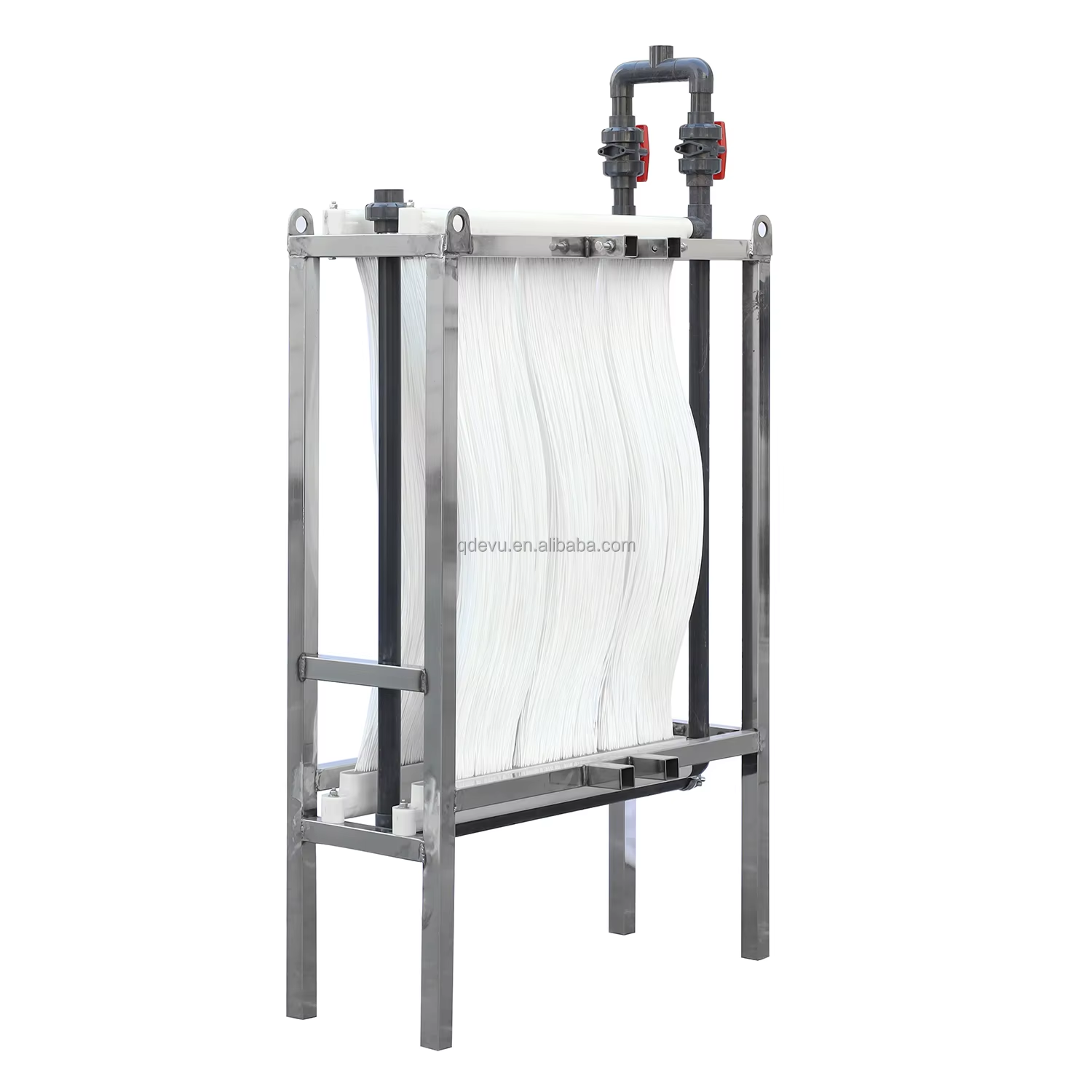
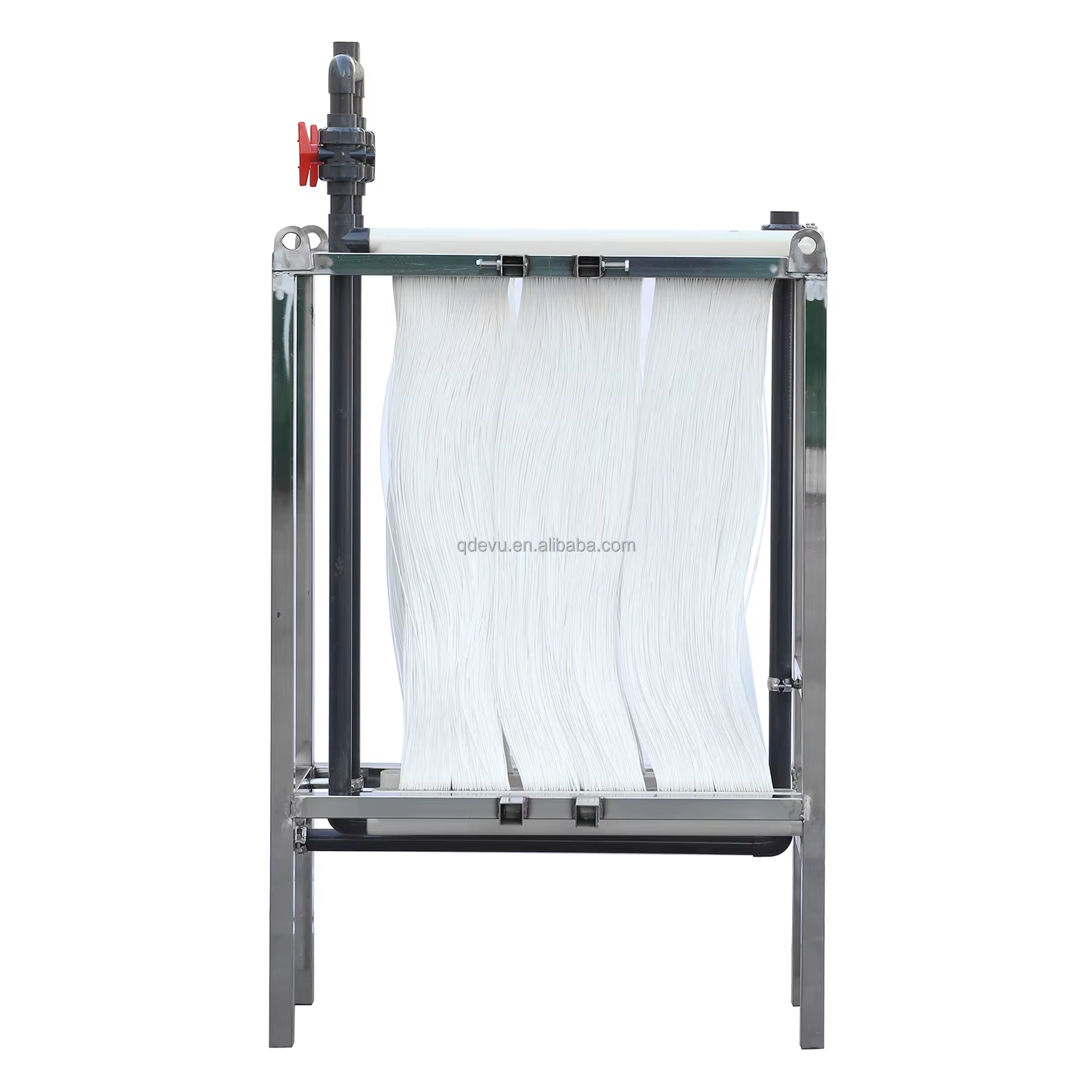
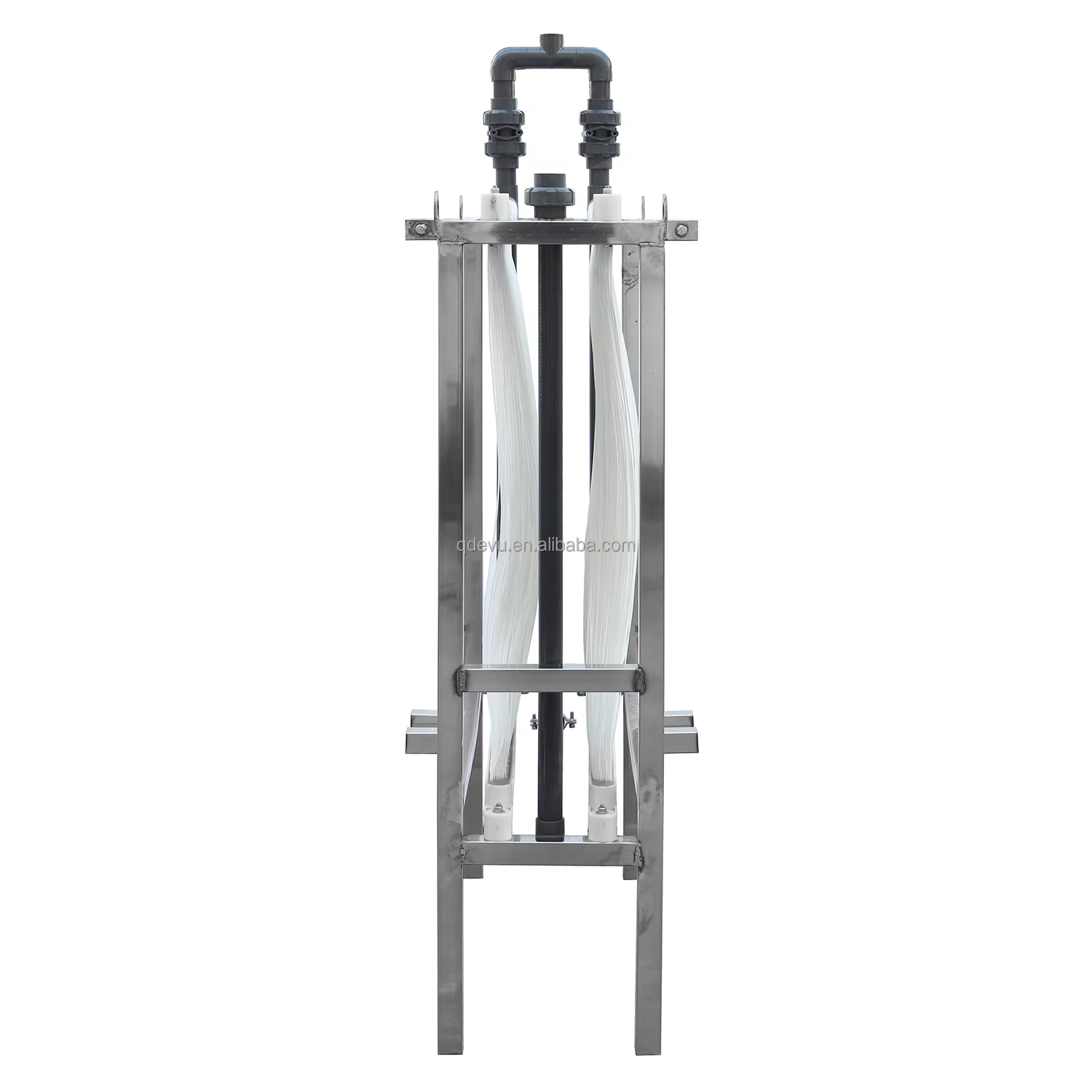
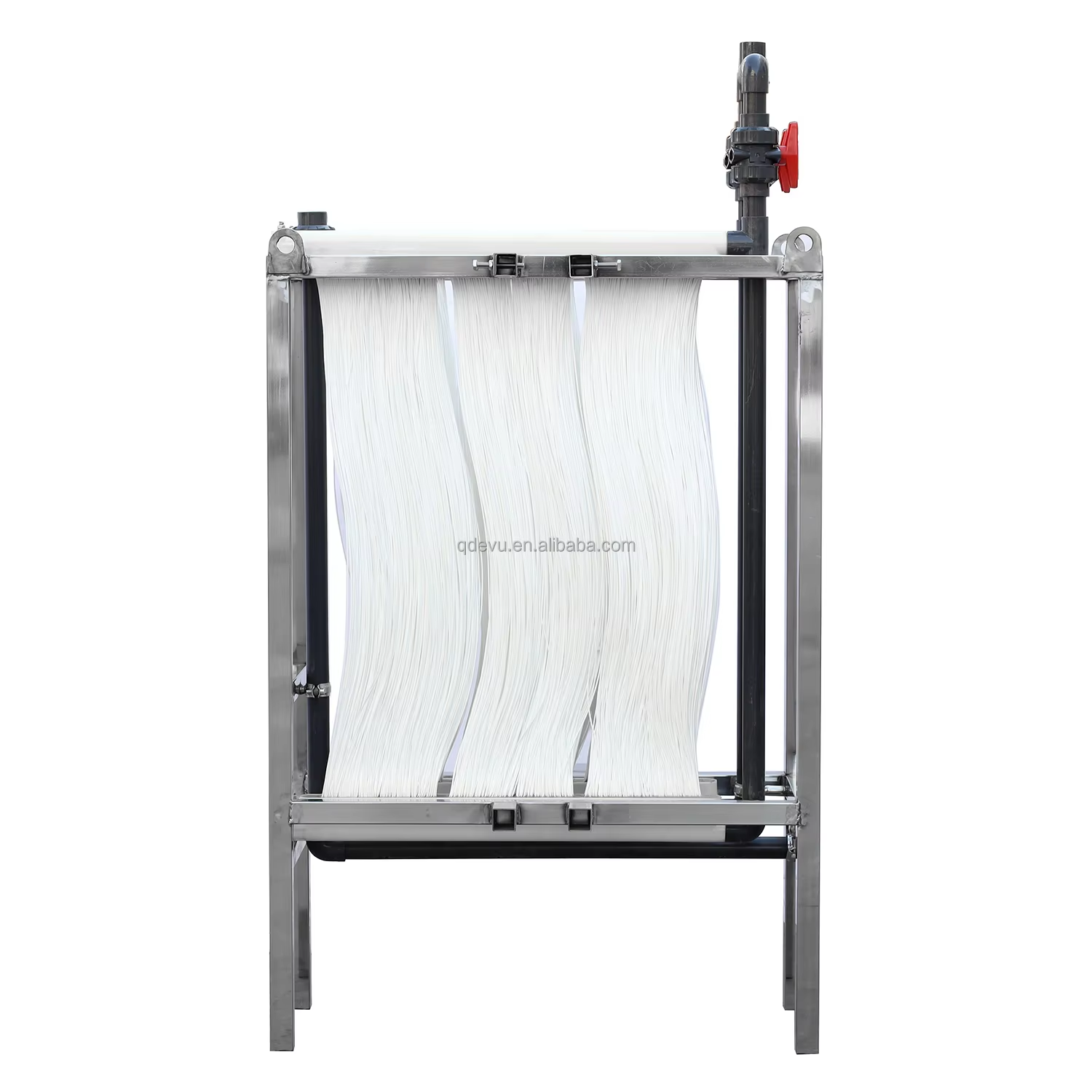
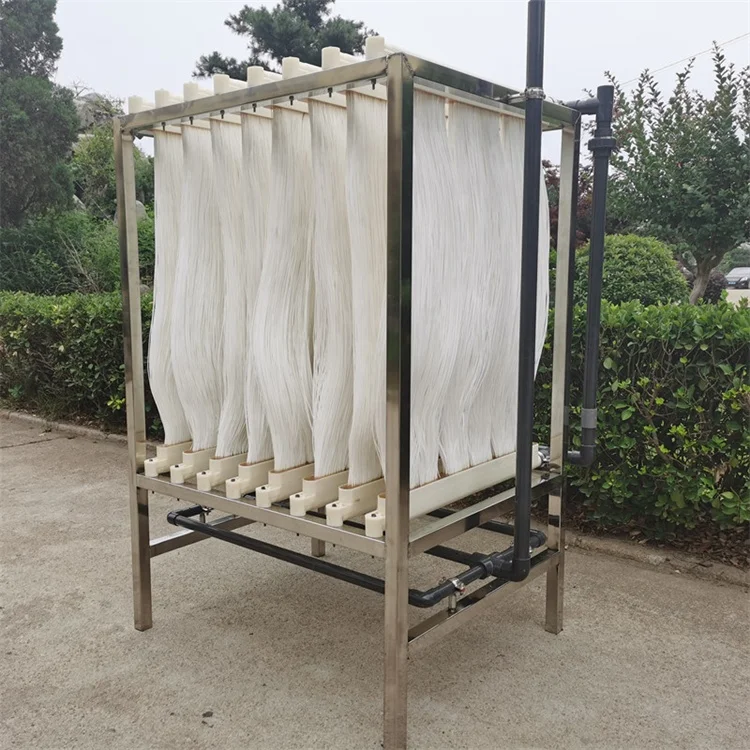
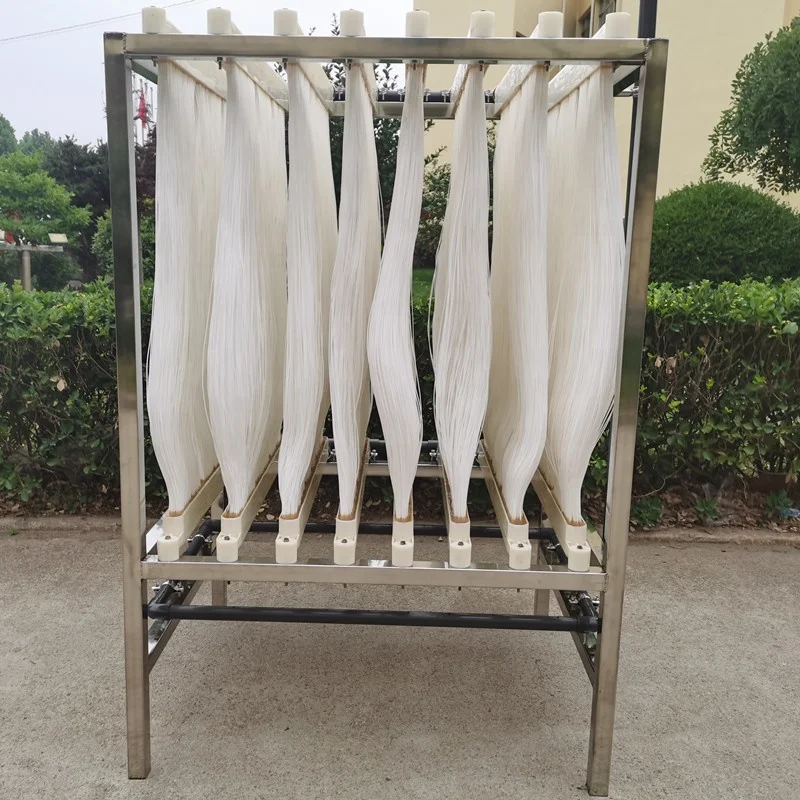
MBR Membrane System for Wastewater Treatment Plant supplier
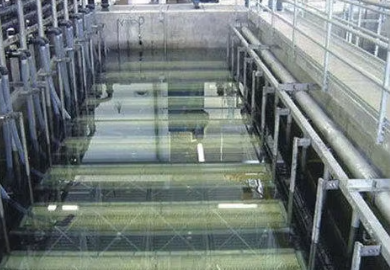
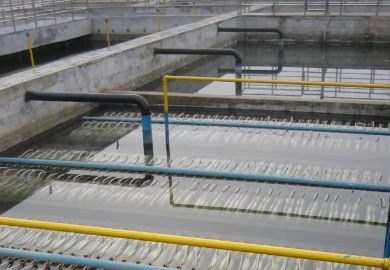
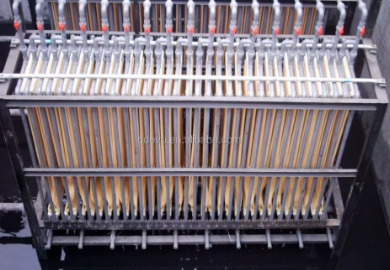
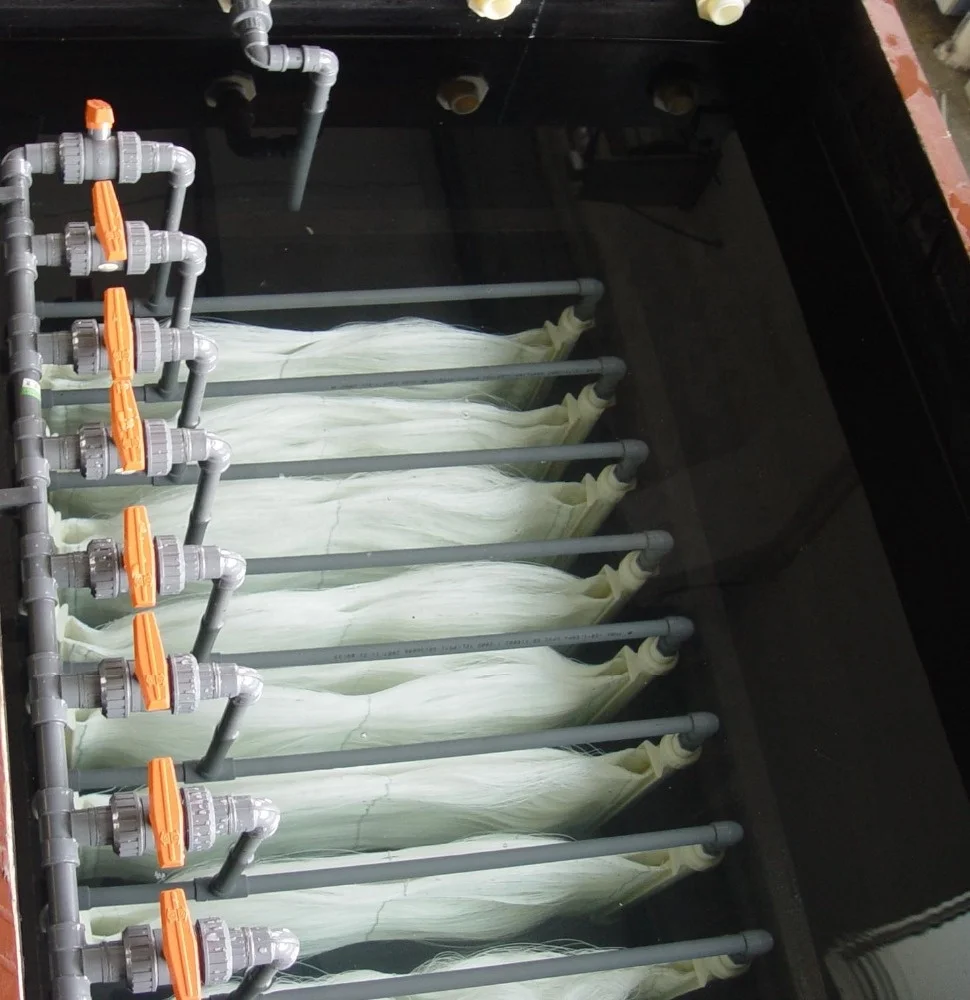
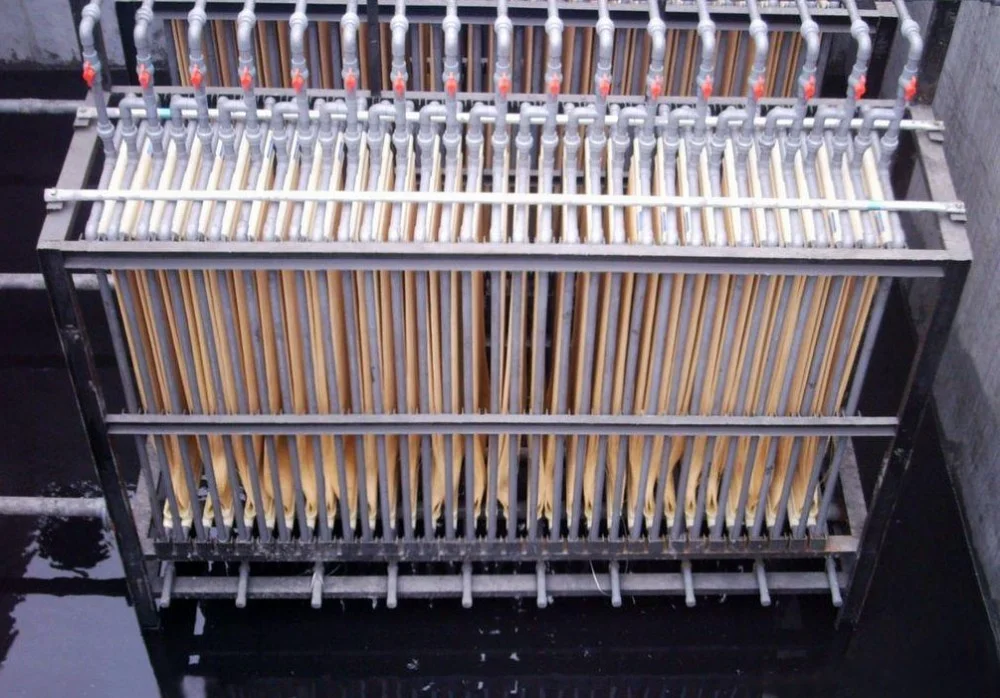
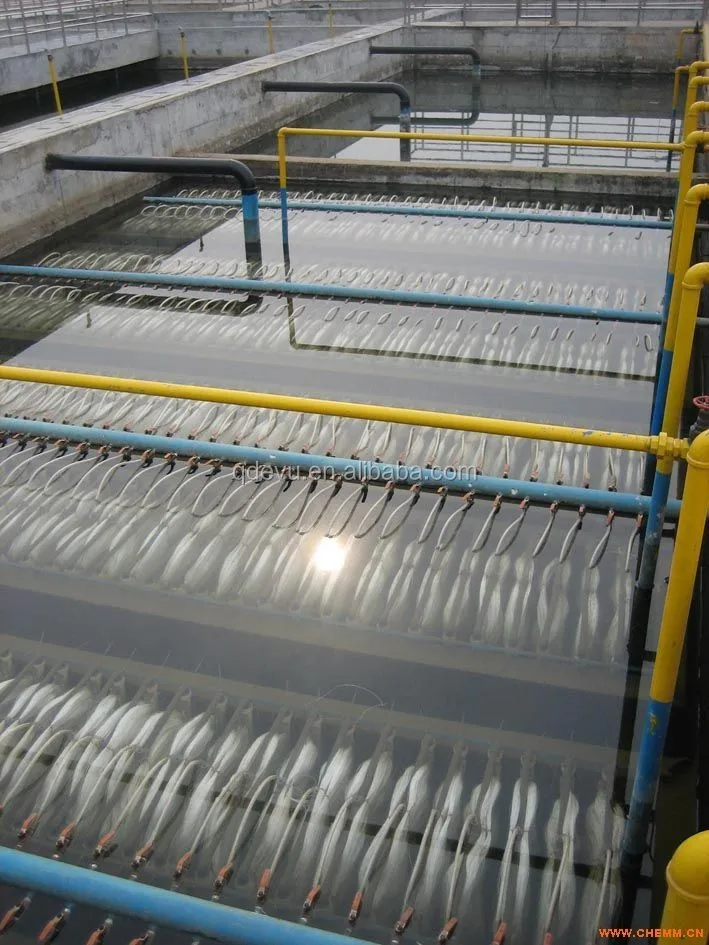
Sewage Treatment Plant with UF Mbr System for Water Purification /adjustment tank/MBR tank/Treated water tank/Membrane Bioreactor

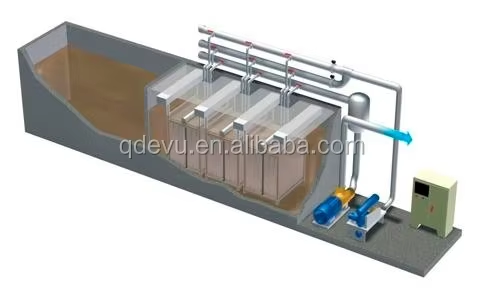
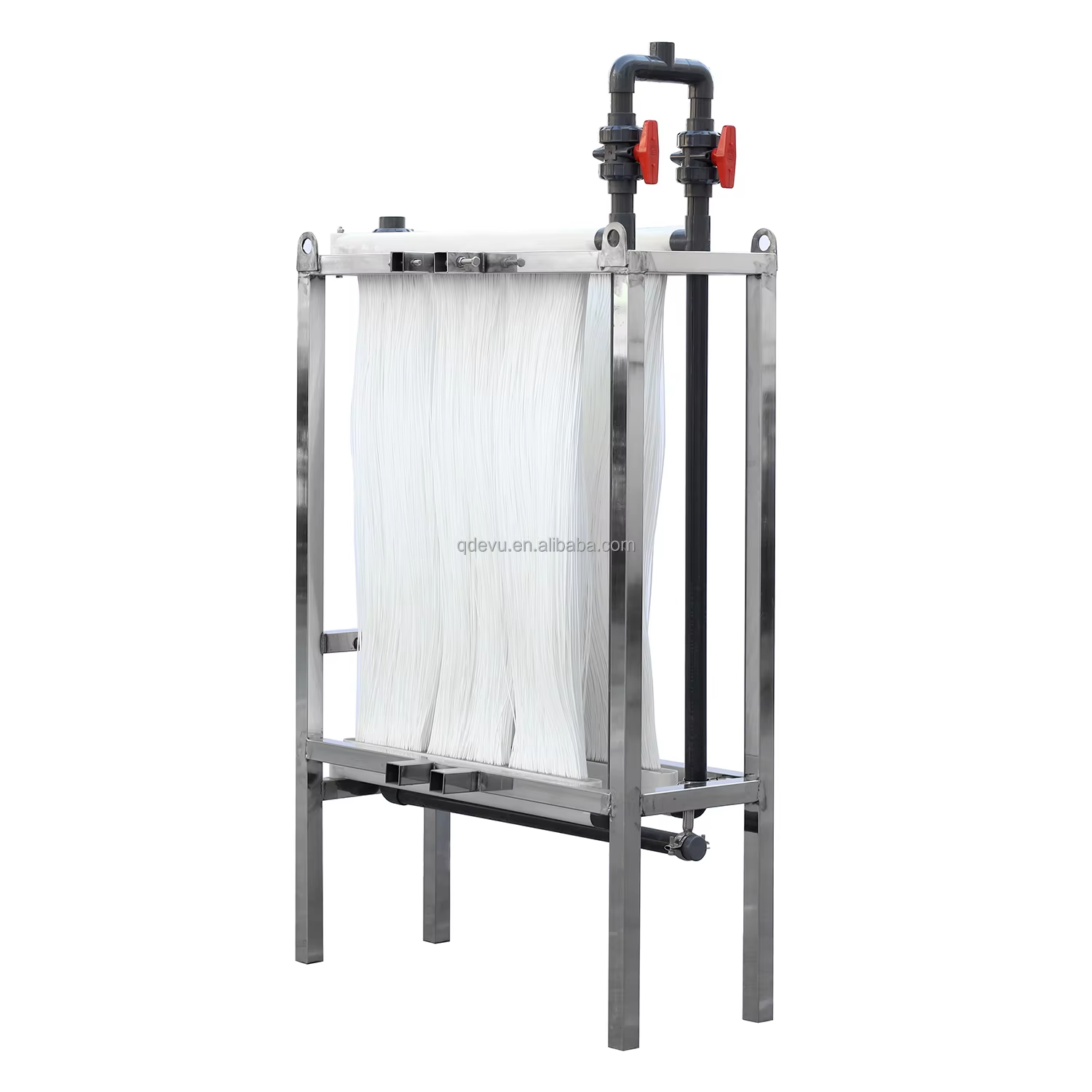
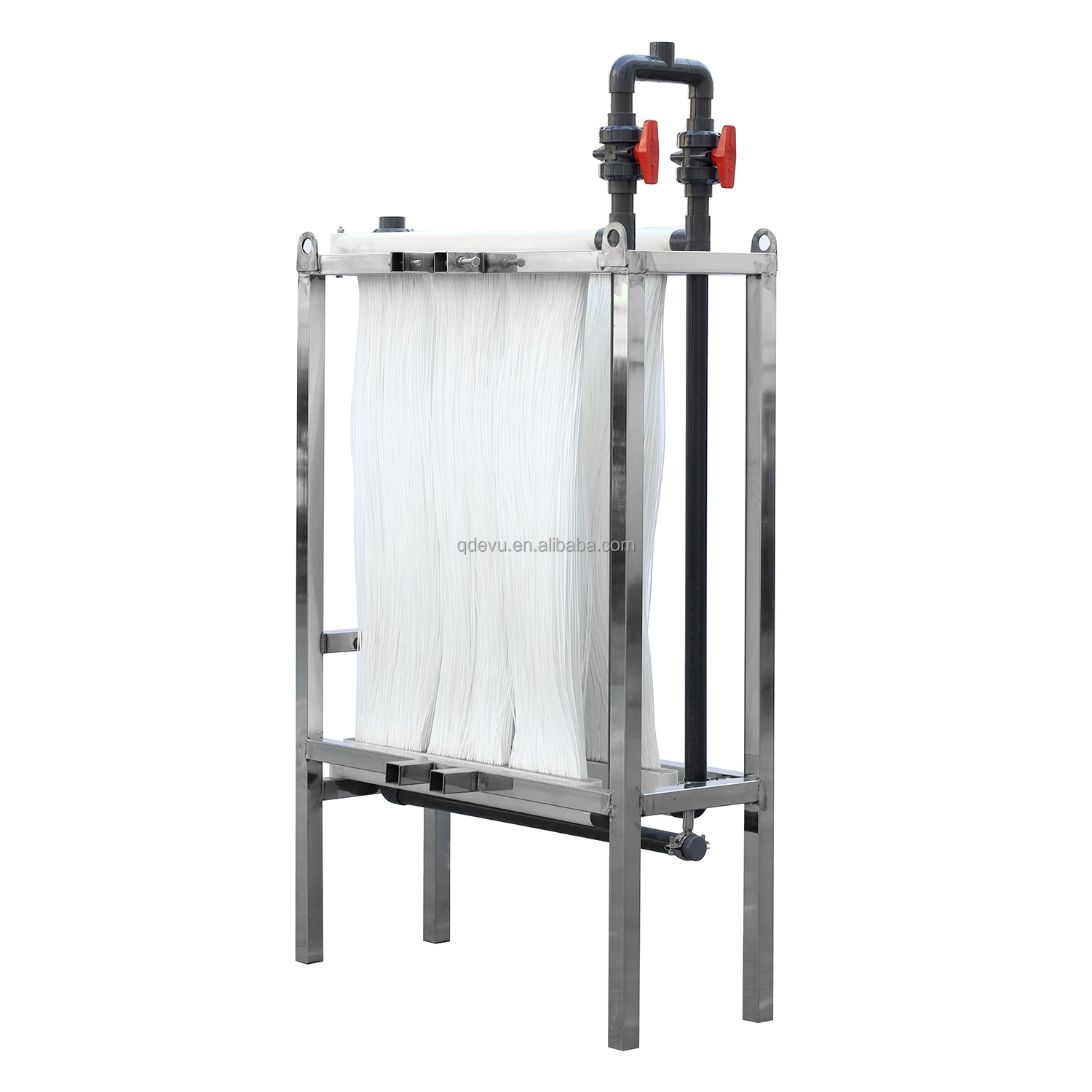
Membrane bioreactor (MBR) is an advanced and innovative wastewater treatment technology that integrates membrane separation processes with biological treatment systems. It has become increasingly popular in recent years due to its numerous advantages and wide range of applications. Working Principle In an MBR system, the biological treatment process is carried out in a reactor where microorganisms break down organic matter, nitrogen, and other pollutants in the wastewater. The membrane separation unit, which consists of microfiltration (MF) or ultrafiltration (UF) membranes, is then used to separate the treated water from the biomass and other suspended solids. The membranes have very small pores that allow water and small - sized solutes to pass through while retaining the microorganisms, activated sludge, and large - molecular - weight substances. This results in a high - quality effluent with low turbidity and low levels of suspended solids.
MBR Membrane System for Wastewater Treatment Plant manufacture MBR Membrane System for Wastewater Treatment Plant factory MBR Membrane System for Wastewater Treatment Plant supplier
MBR Membrane System for Wastewater Treatment Plant factory MBR Membrane System for Wastewater Treatment Plant supplier MBR Membrane System for Wastewater Treatment Plant details
Specification
Model
Size L*W(mm)
Membrane area(㎡)
Water amount(㎡)
(NTU)water turbidity
(mg/l)ss
FPA1
810*525
8
1.0~1.2
<1
<10
FPA2
1050*525
10
12~1 5
<1
<10
FPA3
1050*535
16
2.0~2.5
<1
<10
item
value
Condition
New
Applicable Industries
Hotels, Garment Shops, Building Material Shops, Manufacturing Plant, Machinery Repair Shops, Food & Beverage Factory, Farms,
Restaurant, Home Use, Retail, Food Shop, Printing Shops, Construction works , Energy & Mining, Food & Beverage Shops, Other,
Advertising Company
Showroom Location
South Korea, Chile, UAE, Colombia, Algeria, Sri Lanka
Video outgoing-inspection
Provided
Machinery Test Report
Provided
Marketing Type
New Product 2020
Core Components
Engine, Motor, PLC
Place of Origin
Shandong,China
Brand Name
Spark
Material
Wooden case
Weight
According to your order
Size
According to your order
Power
0.5
Warranty
1 Year
Productivity
1000L/Hour
Weight (KG)
800kg
Product name
UF Membrane
Material
SS316L
Application
Water Purification
Type
Pure Water Treatment System
Certification
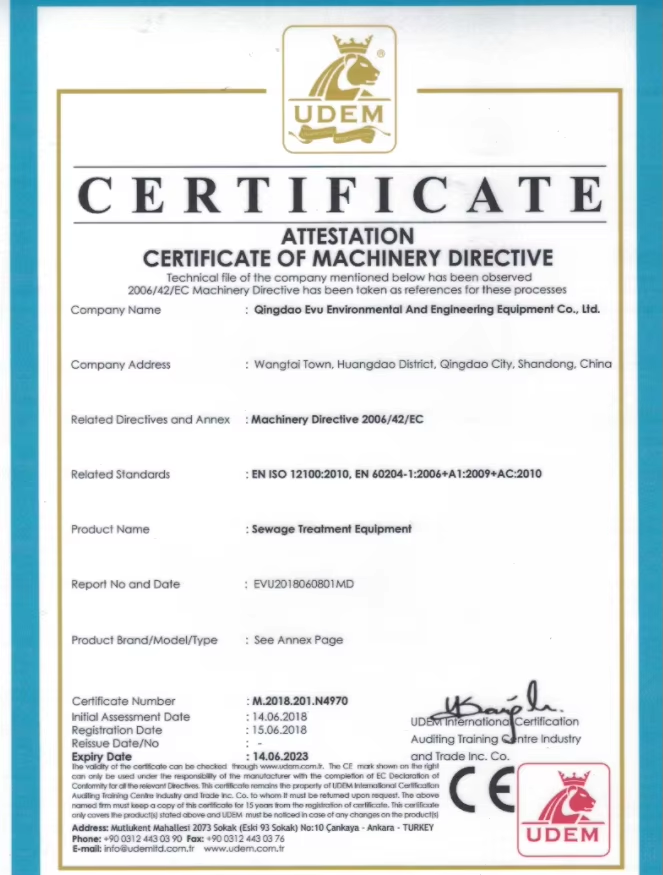
CE Certificate
Keywords
Waste Water Treatmnet
Equipment Working Process

mbr membrane-0

1. Pretreatment Stage

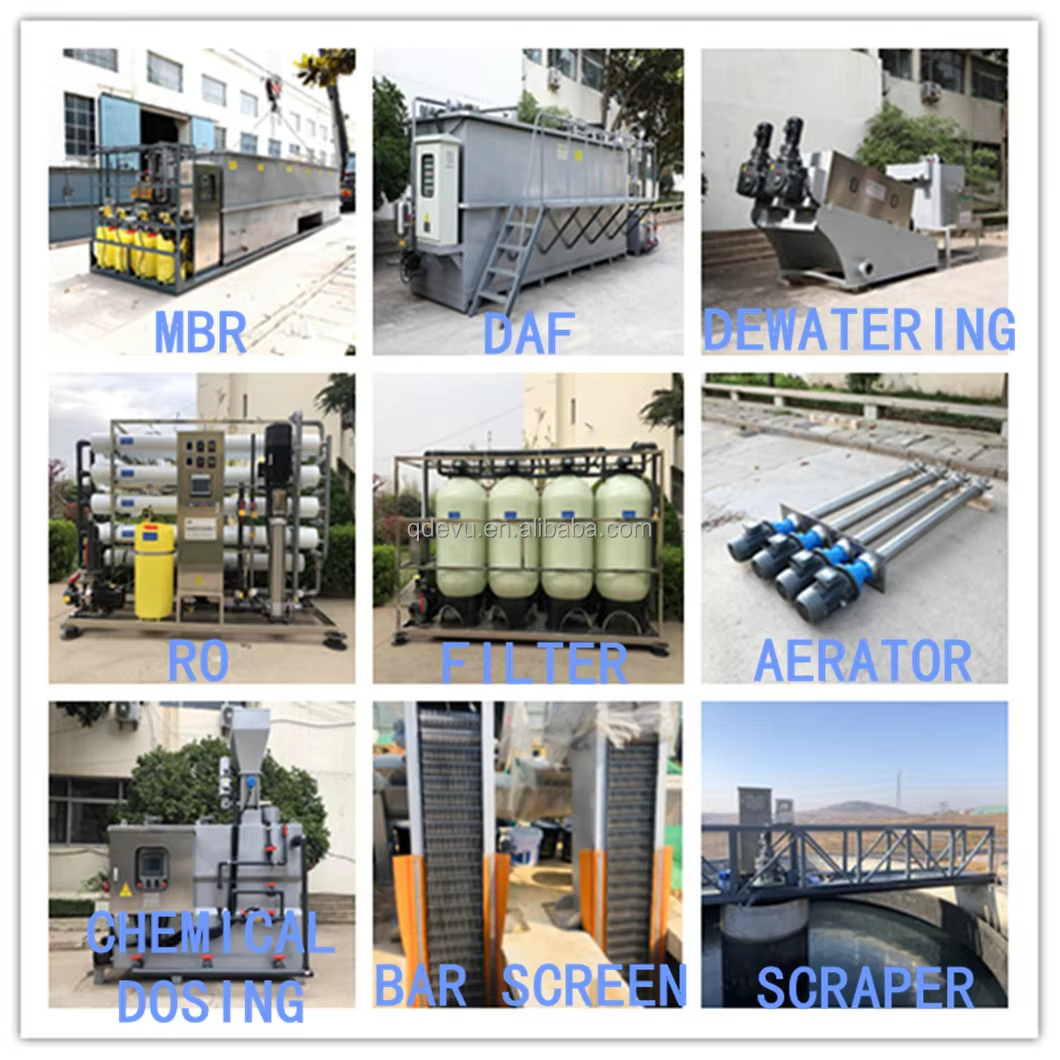
Bar Screen/Filter: Removes large debris from wastewater to prevent clogging of downstream equipment.
Equalization Tank: Balances the flow rate and homogenizes the wastewater's composition to ensure stable conditions for subsequent treatment.
Primary Sedimentation Tank: Utilizes gravity to settle sand and large suspended solids, reducing the load on the biological treatment unit.
2. Biological Treatment Stage
Activated sludge or biofilm degrade organic pollutants (COD, BOD), nitrogen, and phosphorus. This process includes:
Anoxic Tank: Under anaerobic conditions, denitrifying bacteria convert nitrates into nitrogen gas and decompose some organic matter.
Aerobic Tank: Aeration promotes the growth of aerobic microorganisms, which efficiently decompose organic pollutants and convert ammonia to nitrates.
Anaerobic Tank: Anaerobic bacteria break down complex organics and facilitate biological phosphorus removal.
3. Advanced Treatment Stage
The wastewater after biological treatment still contains trace amounts of suspended solids, colloids, or microorganisms. The MBR process replaces the conventional secondary clarifier, achieving more efficient solid-liquid separation through membrane interception.
4. Disinfection and Effluent
The treated water is disinfected (e.g., UV irradiation or sodium hypochlorite) to meet discharge standards or reuse requirements (e.g., irrigation, toilet flushing).
Note: The MBR process integrates membrane filtration with biological treatment, achieving higher effluent quality and compact system design compared to conventional methods.

mbr membrane-1 mbr membrane-2 mbr membrane-3
Our Advantages
High - Quality Effluent

The membrane filtration process effectively removes suspended solids, bacteria, and viruses, producing an effluent that can meet very strict discharge standards or even be reused for various non - potable purposes such as irrigation, industrial cooling, and toilet flushing. Compact Design: Compared to traditional wastewater treatment systems, MBRs have a smaller footprint because the need for large settling tanks and other secondary treatment units is eliminated. This makes them suitable for installation in areas with limited space.

Low Sludge Production

The long solids retention time (SRT) in the MBR system allows for the complete digestion of organic matter, resulting in significantly less sludge production than conventional treatment methods. This reduces the cost and environmental impact of sludge disposal.

Good Resistance to Shock Loads

MBR systems can better withstand changes in the quality and quantity of the influent wastewater due to the high concentration of microorganisms and the efficient separation of solids. They can quickly recover from fluctuations in pollutant levels and maintain stable treatment performance.

Applications

Municipal Wastewater Treatment: MBRs are widely used in municipal wastewater treatment plants to upgrade the treatment process and improve the quality of the effluent discharged into rivers, lakes, or the sea. They can also be used for small - scaledecentralized wastewater treatment in rural areas or individual buildings.Industrial Wastewater Treatment: Many industries, such as food and beverage, textile, pharmaceutical, and electronics, generate wastewater with high concentrations of organic pollutants, heavy metals, or other contaminants. MBRs can be customized to treat these specific types of industrial wastewater, removing pollutants and enabling the reuse of the treated water within the industrial process, thereby reducing water consumption and environmental impact.
Reclaimed Water Production: With the increasing demand for water resources, MBRs play a crucial role in the production of reclaimed water. The high - quality effluent from MBRs can be further treated and disinfected to meet the standards for non - potable water reuse, helping to alleviate water shortages in many regions. In summary, membrane bioreactors offer a reliable, efficient, and environmentally friendly solution for wastewater treatment and water reuse, contributing to the sustainable management of water resources.
mbr membrane-4
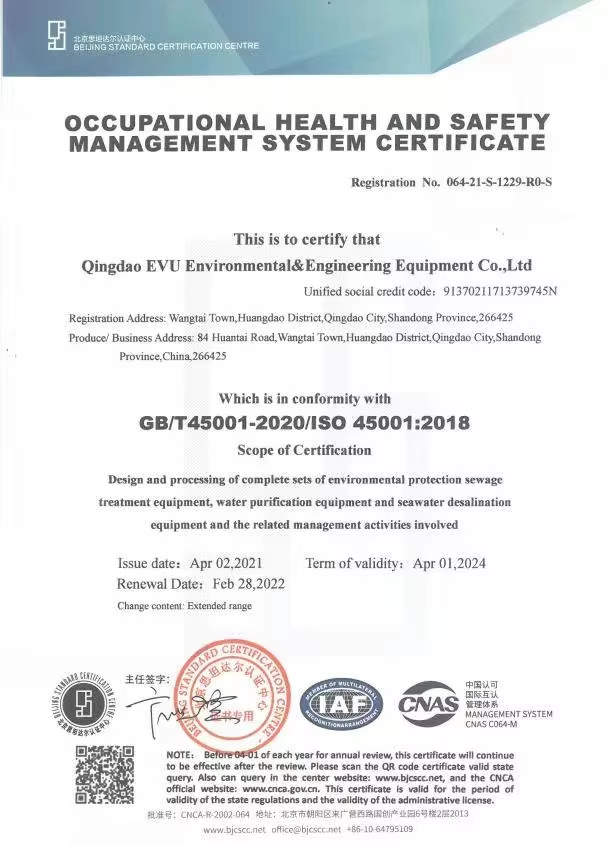
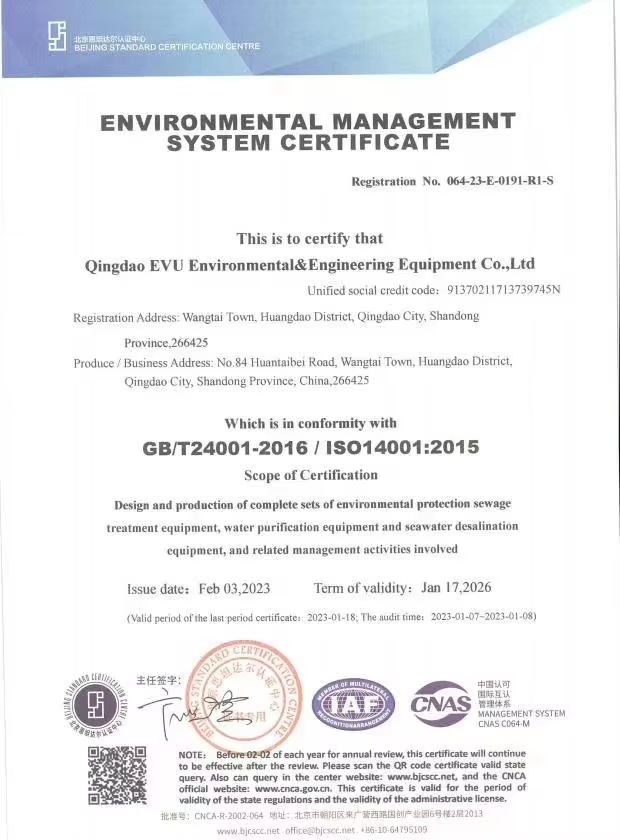
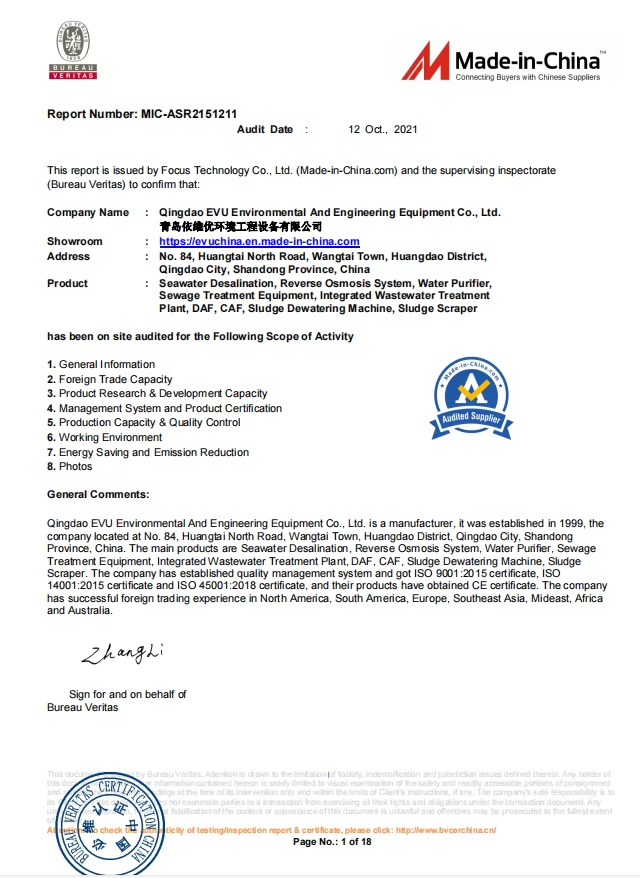
Certifications
mbr membrane-5 mbr membrane-6 mbr membrane-7 mbr membrane-8

mbr membrane-9

Company Profile

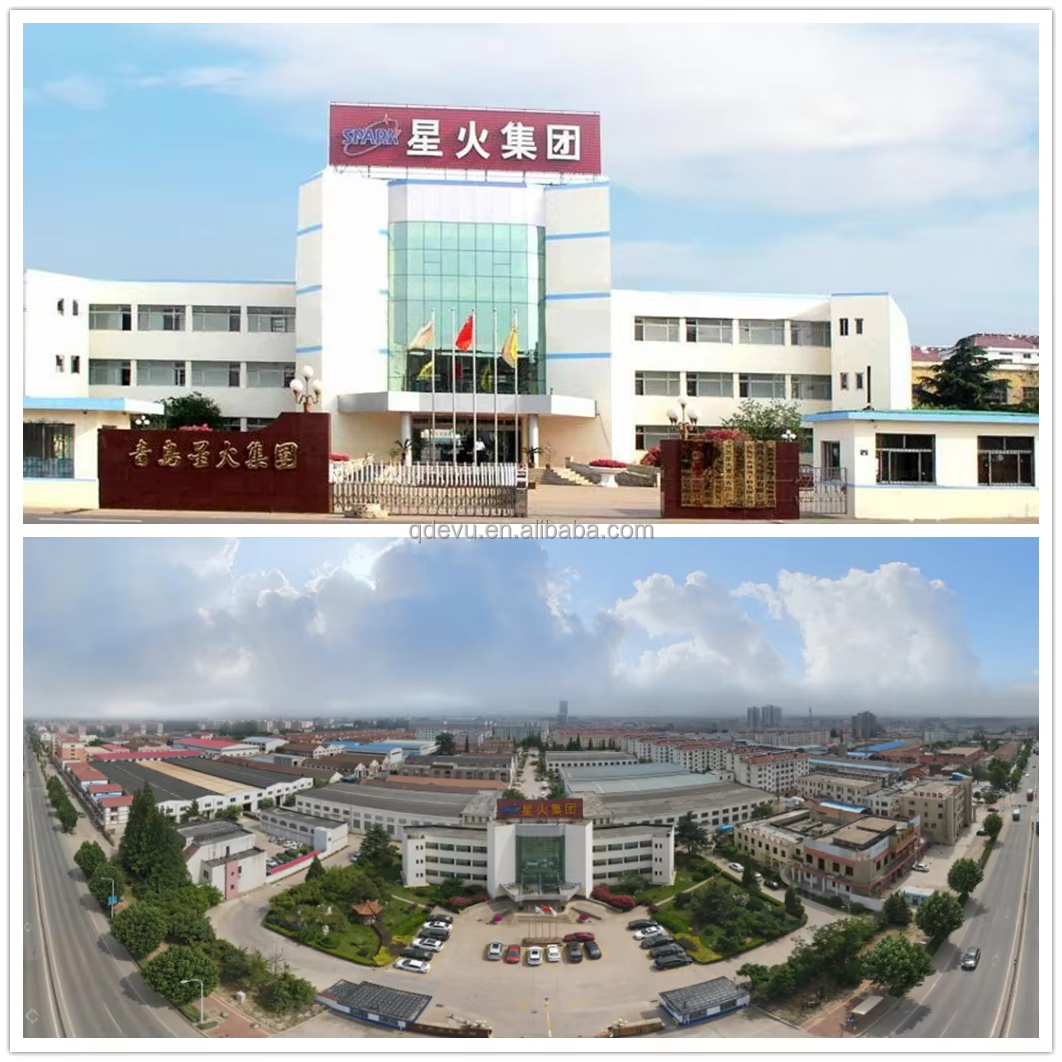
Qingdao EVU Environmental & Engineering Equipment CO., Ltd. (QDEVU) as the leading water, wastewater and sewage treatment manufacturer with over 20 years solid experience to provide productive solution to different type of water issue. Since founded in 1999, Qingdao EVU cooperated with EVU GmbH,with service offices overseas ensures the highest level of operational support for our clients. Our end to end water systems and solutions include design, manufacturing, installation, commissioning, operation and ongoing equipment maintenance. QDEVU Water has developed a reputation for delivering superior service and high performing systems, enabling its clients to reduce operating costs and extend equipment life-cycles. All EVU Water products are manufactured under the controls that conforms to the CE, ISO9001, ISO14001, ISO45001 standards,the company was certificated by BV and SGS, and own the "QDEVU" trademark certification.

mbr membrane-10 mbr membrane-11 mbr membrane-12
FAQ

Q1: What does MBR stand for?
A: MBR = Membrane Bio-Reactor. It combines biological wastewater treatment with ultrafiltration membranes for superior effluent quality.

Q2: How does MBR differ from conventional activated sludge?
A: Our MBR replaces secondary clarifiers with 0.1μm membranes, achieving 10x higher MLSS concentrations and producing reusable water (≤5 NTU turbidity).

Q3: What contaminants can MBR remove?
A: Removes 99.9% bacteria, 95%+ viruses, 100% suspended solids, and reduces COD/BOD by 90-98%. Ideal for nutrient (N/P) removal when paired with anaerobic zones.

Q4: How often do membranes need replacement?
A: Typical service life = 5-8 years with proper maintenance. Our PVDF membranes feature reinforced fibers resisting abrasion and chemical degradation.

Q5: Is chemical cleaning required?
A: Automated CIP (Clean-in-Place) every 3-6 months using <0.5% NaOCl/CA solution. Daily backwashing maintains permeability.

Q6: Can MBR handle industrial wastewater?
A: Yes. Our membranes tolerate pH 2-12, temperatures up to 40°C, and 5000ppm TDS. Special coatings available for oil/grease resistance.

Q7: What’s the energy consumption?
A: 0.4-0.7 kWh/m³ with our optimized aeration system – 30% more efficient than standard coarse bubble systems.

Q8: How much space does an MBR system require?
A: 50% smaller footprint vs traditional plants. Modular designs allow vertical stacking for space-constrained sites.

Q9: Is the effluent suitable for reuse?
A: Yes. Meets ISO 30500 reuse standards for irrigation, cooling towers, and toilet flushing. Optional UV/ozone for potable-grade water.

Q10: What technical support do you provide?
A: 24/7 remote monitoring + on-site commissioning. All systems include 2-year performance warranty and membrane integrity guarantees.

Get a Free Quote

Our representative will contact you soon.
Email
Mobile
Country/Region
Required Product
Name
Company Name
Message
0/1000