 EN
EN
Meeting Strict Regulatory Standards
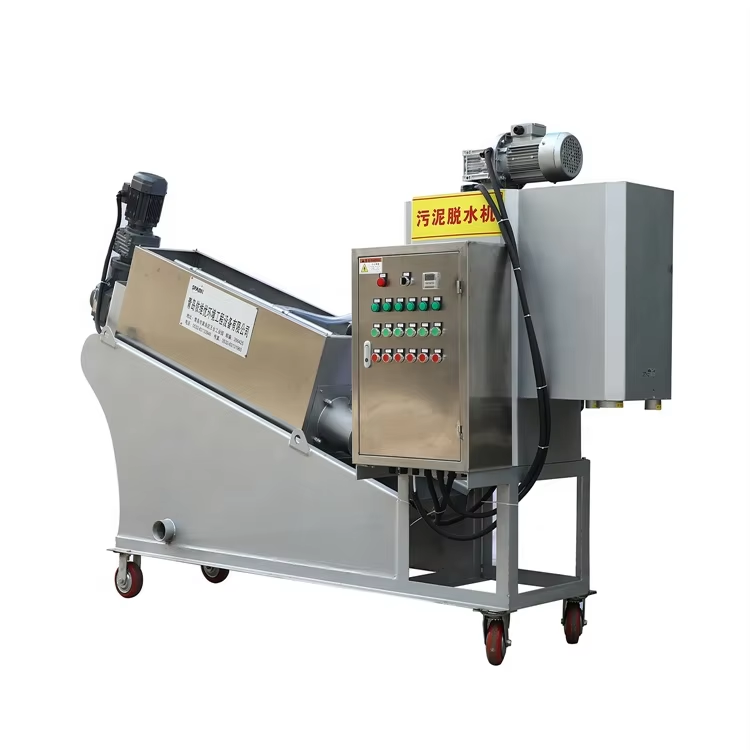
The disposal of sludge is heavily controlled in all industries including municipal, industrial, and agricultural. The disposal of sludge is heavily controlled in all industries including municipal, industrial, and agricultural. It is important to make sure they do not exceed legal limitations on moisture content, pollutants, odor emissions, and transport safety. When facilities do not meet these standards, they face fines and shutdown orders, along with reputational damages. Modern sludge dewatering machines are designed to help meet these compliance challenges. Compliance challenges due to sludge properties and instability and the harmful outputs that result. Environmental engineering authorities state that mechanical dewatering is the best practice to ensure compliance with solid waste regulations and wastewater regulations. It is important to note that the machines do meet the standards of both solid waste regulations and wastewater regulations. The machines help to meet the standards of the solid waste regulations and the wastewater regulations by ensuring that the amount of sludge moisture is at or below the permitted levels and that the levels of heavy metals, organic pollutants, and pathogens are within safe limits.
Reducing Sludge Volume and Environmental Risk
High moisture sludge creates major environmental and logistical challenges. As an example, raw sludge moisture content above 98 percent, creates large volumes meaning high transport costs and leakage risks. Sludge dewatering machines use advanced mechanical technologies to remove free and bound water, cutting the sludge volume by as much as 90 percent. Smaller dryer sludge is safer to move and handle with less leakage, odor and contamination. Lower volume also means fewer transport trips, less fuel use, and a lower carbon footprint. These changes help businesses meet waste reduction and low carbon environmental targets while avoiding violations related to overflow spillage and improper storage.
Improving Operational Reliability and Compliance without Effort
Many of the challenges associated with compliance stem from outdated or inconsistent manual treatment processes. Sludge dewatering equipment offers the ability to operate ``round the clock and receive dewatered sludge with consistent assurance. Proprietary integrated moisture and energy throughput monitoring systems adjust and self-regulate performance to remain within compliance limits. Automation negates the inconsistencies associated with operator intervention, eliminates personnel choice and variability with sludge inputs, and offers unmatched operational stability. This operational stability translates to long term continuous compliance and reduces the administrative burden associated with environmental compliance audits. Uninterrupted treatment is often the only method to eliminate back up and overflow, which remains the common triggers for non compliance and environmental incidents.
Advancing Sustainable Resource Recovery
Modern sludge dewatering innovations and efficiencies support end of pipe, circular economy goals that many regulators have now come to expect. Treated, low moisture sludge can be utilized, and valued, as biomass (fuel), soil (amendment), or as a construction grade material; rather than be disposed of as pure (waste). Environmental compliance agencies have moved from the traditional end of pipe (control pollution and waste), to support and encourage, resource recovery as a compliance strategy. Recovery of useful resources and recovery of waste offers new opportunities. This new paradigm, via dewatering equipment, offers the ability to produce and document compliance sludge end products. This, in effect, converts the previously pure compliance cost into a value added opportunity.
Reduced compliance and operational costs over the long term
Negative financial impacts caused by sludge dewatering can actually be avoided through effective dewatering. Smarter dewatering will reduce the costs associated with disposal, transport, manpower, energy, maintenance and fines that may be levied. Dewatering that is done efficiently will reduce costs significantly associated with hauling and disposal by fewer loads and by reducing the weight of the sludge. Automation also means fewer labor costs. Downtime and repairs, costs associated with maintenance, are reduced with durable designs. Consistent compliance also eliminates the financial risk of penalties and the operational costs associated with plant breakdowns. Investment in dewatering will also improve environmental performance, creating a positive and self-perpetuating compliance and cost saving cycle.
Reliability of equipment supply and industry experience
Qingdao EVU has a long history of experience in the field of high performance dewatering and the associated regulatory concerns for Meat and Dairy, Municipal and Industrial, and Biofuel. Customers are able to reduce the financial and environmental risks associated with their operations while achieving consistent compliance, reduced costs and the positive financial cycle of sustainable environmental performance. Qingdao EVU are the sludge dewatering professionals. They provide integrated solutions for all parts of wastewater treatment, providing the customer with a totally seamless and professional level of service. Qingdao EVU has the global service and the integrated manufacturing capabilities to ensure that industries are in a permanent state of compliance, allowing businesses to develop sustainability in their goals.
Table of Contents
- Meeting Strict Regulatory Standards
- Reducing Sludge Volume and Environmental Risk
- Improving Operational Reliability and Compliance without Effort
- Advancing Sustainable Resource Recovery
- Reduced compliance and operational costs over the long term
- Reliability of equipment supply and industry experience