 EN
EN
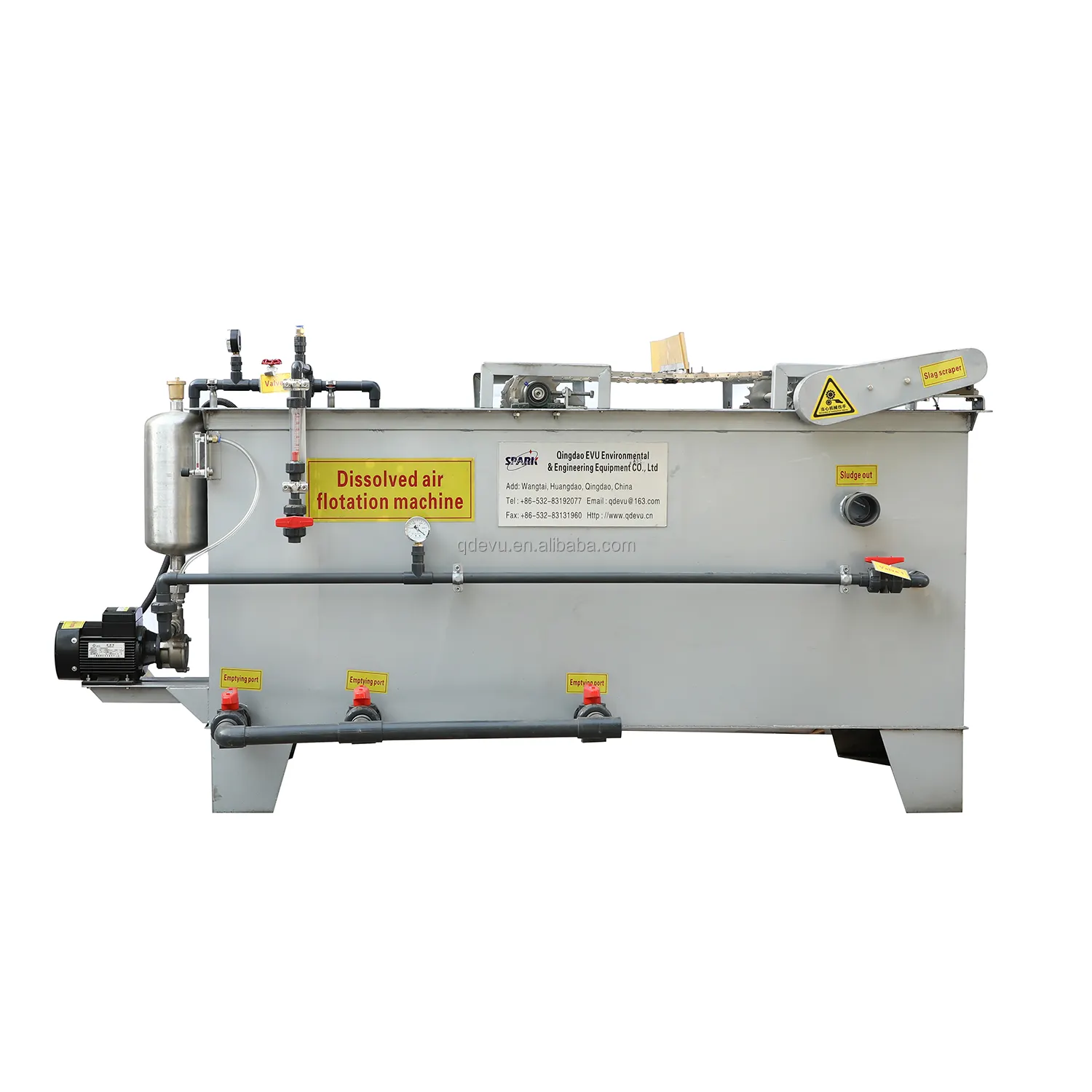
Core Principles of Air Flotation Machine Technology and Microbubble Efficiency
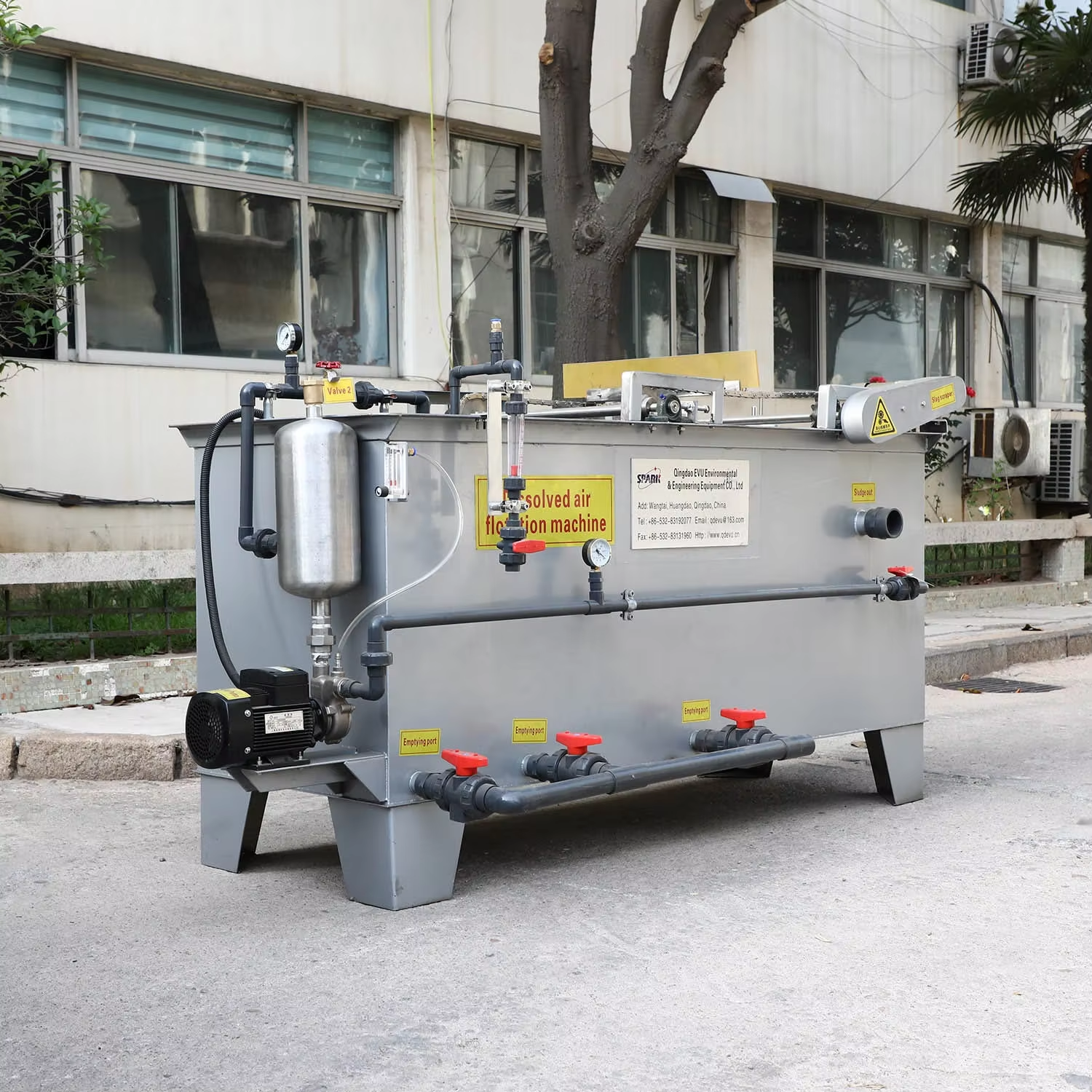
The Science Behind Dissolved Air Flotation (DAF) for Solid-Liquid Separation
Dissolved Air Flotation systems work by putting water under pressure until it's loaded up with extra air, creating those tiny bubbles around 30 to 80 microns across that stick to all sorts of floating junk in the water. When the pressure drops, these little bubbles shoot up fast, bringing along whatever they've grabbed from below - think solids, oils, maybe even some biological stuff - right to the top where operators can skim them off. Some studies have shown that when those bubbles get down to about 50 microns or smaller, they manage to clean out between 92% and 97% of contaminants in wastewater treatments according to Water Research from last year. These days, newer DAF units are getting pretty smart about adjusting how much pressure they apply (usually between 4 and 6 atmospheres) plus tweaking how long water stays in the system, so they save energy while still doing their job well enough for most industrial applications.
Micronized and Nanobubble Generation: Enhancing Contaminant Removal in Air Flotation Machines
Modern water treatment technologies can generate bubbles smaller than 50 microns through specialized nozzles or electrolysis methods. These tiny nanobubbles, measuring at or below 200 nanometers, actually work better for capturing small particles floating in water because they have more surface area and stay suspended longer in the liquid. Recent research from 2024 showed that when these nanobubbles are added to dissolved air flotation systems, they managed to remove around 98.5 percent of total suspended solids from wastewater. What's interesting is that factories using this approach needed about 25 percent less chemical coagulants compared to traditional methods, which cuts down on both costs and environmental impact over time.
Two-Phase Vortex Pumps and Plate Pack Systems for High-Efficiency Bubble Dispersion
| Technology | Function | Performance Benefit |
|---|---|---|
| Two-Phase Vortex Pumps | Mix air and water without mechanical shear | 18% lower energy consumption |
| Corrugated Plate Pack Modules | Stabilize bubble flow patterns | 15% faster separation rates |
| Automated Bottom Scrapers | Remove settled solids during operation | 30% reduction in downtime |
These innovations minimize turbulence and ensure uniform bubble distribution, improving operational reliability. Plate pack configurations effectively double the available separation area within the same footprint—particularly beneficial for facilities with space constraints.
High-Rate DAF with Plate Pack Technology and Space-Saving Configurations
Angled plate packs in today's air flotation machines can handle hydraulic loads reaching around 15 gallons per minute per square foot. The special corrugated shape actually gives these systems about 30% more surface area than regular flat plates do, which means better contact between those tiny bubbles and whatever contaminants need removing. According to research from Water Research Collaborative back in 2023, this particular design cuts down on the physical size needed for installation by roughly 40%. That makes a big difference when trying to fit new technology into older treatment facilities that simply don't have extra room. Plus, because everything comes in modular pieces, plant operators can upgrade their systems without tearing apart walls or foundations just to make space.
Counter-Current Flow and Multi-Stage Flotation for Improved Separation Performance
Flotation chambers designed with multiple stages and counter current flow can remove around 95% of total suspended solids even when influent conditions vary. The system works by pumping air under pressure against the direction of wastewater flow, which actually gives those tiny bubbles more time to interact with contaminants compared to regular co current setups. Some tests at meatpacking plants have found that this approach cuts down on filter blockages downstream by roughly 70%, meaning plant operators spend less money fixing equipment and replacing worn out parts over time. The extended bubble contact makes all the difference in keeping these industrial water treatment systems running smoothly day after day.
Compact Stainless Steel DAF Tanks with Bottom Cleaning Systems for Low Maintenance
The latest air flotation machines are built with either 304 or 316L stainless steel and come equipped with those handy bottom scrapers that stop sludge from accumulating over time. These newer models feature self cleaning nozzles along with automated rakes which means maintenance doesn't need to happen every week anymore but rather once every three months. That kind of schedule makes it much easier for facilities trying to meet those ISO 55000 standards for managing assets properly. Speaking of space efficiency, radial tanks actually perform just as well as their rectangular counterparts despite taking up about 60 percent less room on the factory floor. This compact design is particularly useful when companies want to upgrade old systems without tearing down entire sections of their plant.
Smart Automation and IoT Integration in Modern Air Flotation Machine Operations
Real-Time Monitoring and Adaptive Control for Variable Flow Rates
Modern air flotation systems now come with built-in sensors and PLCs that tweak the air to water mix as flows change. These adjustments help cut down on sludge carryover problems by around 18 to 22 percent according to WEF research from last year, all while keeping bubbles at their best performance level. The operators can watch real time turbidity readings and pressure levels through those HMI screens, which lets them react quickly when influent conditions shift without messing up how well the system separates solids from water.
IoT and AI-Driven Optimization in Air Flotation Machine Retrofit and Diagnostics
Older DAF systems get upgraded these days with smart vibration sensors connected to the internet and backed by cloud computing power. Smart algorithms look at past system behavior and can spot potential pump problems anywhere from three to four days before they actually happen. Food processors have seen about a third less unexpected shutdowns thanks to this early warning system. Tech support teams can now fix PLC problems remotely through secure data connections instead of driving out to sites. Across different sectors, this has cut down on site visits by roughly 40%, saving both time and money for maintenance crews.
Energy-Saving Automation Features and System Adaptability
Smart air flotation units come equipped with variable frequency drives or VFDs for short, which adjust how fast compressors run depending on what they detect about contaminants in real time. The big plus here is that these systems cut down on electricity usage somewhere between 27 to maybe even 33 percent when compared against older fixed speed models, all without dropping below around 95% effectiveness at separating oil from water. What makes them really stand out though are their modular designs. Plants can easily swap out parts when seasons change or production needs shift. For instance, replacing flocculation chambers takes only about 45 minutes total, letting facilities respond quickly to different types of waste streams coming through their treatment lines.
Energy Efficiency and Sustainable Design in Air Flotation Machine Systems
Solar-Powered Compressors and Renewable Energy Integration
Modern air flotation machines equipped with solar powered compressors cut down on grid electricity usage somewhere between 30 to 50 percent according to WaterTech Journal's findings from last year. When combined with battery backup systems, these setups keep producing those tiny bubbles needed for effective treatment even when sunlight is scarce. Some newer hybrid versions actually get around two thirds of their power from green sources now, which means each machine cuts carbon dioxide emissions roughly 12 tons every year. That kind of reduction represents real progress for making water treatment plants more environmentally friendly over time.
Simplified Equipment Design for Reduced Energy Consumption and Operational Costs
Improved tank geometries and pump volute designs reduce hydraulic losses by 18–22%, decreasing power requirements without impacting separation. A 2024 study identifies three key efficiency drivers:
- Variable-frequency sludge scrapers that cut motor load cycles by 40%
- Smart pressure sensors enabling dynamic air dissolution control and saving 25% in compressor energy
- Modular skid assemblies that streamline maintenance, requiring 15% fewer components and 30% less installation time
Together, these advancements lower processing costs by $7.2–9.6 per 1,000 gallons compared to older systems, enhancing return on investment for industrial users.
Comparative Performance and Industry Adoption of Next-Generation Air Flotation Machines
Traditional vs. Advanced DAF Systems: Efficiency, Footprint, and Operating Costs
The latest air flotation machines outperform older models by around 35 to 45 percent when it comes to removing total suspended solids, all while using about 30% less power according to WaterTech Journal from last year. Traditional equipment takes up roughly 25 to 40% more floor space because their sedimentation areas just aren't efficient enough. Newer versions solve this problem with clever plate pack designs and automatic sludge management systems that basically halve the required footprint. When looking at running costs, modern installations run anywhere between $0.18 and $0.25 per cubic meter, which is quite a drop compared to the old style systems that averaged $0.35 to $0.50 per cubic meter back then. This improvement mainly comes down to better control over chemicals and smarter water recirculation methods that just make everything work more economically.
Case Study: Industrial-Scale Implementation of Integrated DAF Innovations
A Chinese environmental engineering company recently put together a system that mixes nanobubbles with smart pressure controls using IoT technology in their hybrid air flotation machines. This setup managed to remove 94% of chemical oxygen demand from dairy wastewater according to the 2024 Industrial Water Report. What makes this solution interesting is how it's built vertically rather than horizontally, cutting down on installation expenses by around two thirds compared to traditional setups. Plus they added solar powered compressors which means these units rely much less on regular electricity grids - about three quarters less actually. Tests showed these machines can handle flows between 88 to 92 percent efficiency even when pumping through 220 cubic meters per hour. That kind of performance opens doors for scaling up operations in both food processing plants and mining operations where water treatment is critical but space might be limited.
FAQ
What are the main benefits of using nanobubbles in DAF systems?
Nanobubbles improve contaminant removal efficiency due to their increased surface area and prolonged suspension in liquid, leading to reduced chemical coagulant usage and lower costs.
How do Two-Phase Vortex Pumps enhance air flotation machines?
Two-Phase Vortex Pumps efficiently mix air and water without mechanical shear, reducing energy consumption by 18% and improving bubble dispersion.
What advances have been made in air flotation machines for energy efficiency?
Recent advancements include solar-powered compressors, smart pressure sensors, and variable-frequency drives, leading to reduced electricity usage and CO2 emissions.
How do smart automation and IoT integration benefit DAF operations?
Smart automation allows real-time monitoring and adaptive control for variable flow rates, while IoT integration offers predictive diagnostics and remote problem-solving, minimizing unexpected shutdowns and maintenance costs.
Table of Contents
- Core Principles of Air Flotation Machine Technology and Microbubble Efficiency
- High-Rate DAF with Plate Pack Technology and Space-Saving Configurations
- Counter-Current Flow and Multi-Stage Flotation for Improved Separation Performance
- Compact Stainless Steel DAF Tanks with Bottom Cleaning Systems for Low Maintenance
- Smart Automation and IoT Integration in Modern Air Flotation Machine Operations
- Energy Efficiency and Sustainable Design in Air Flotation Machine Systems
- Comparative Performance and Industry Adoption of Next-Generation Air Flotation Machines
- FAQ