 EN
EN
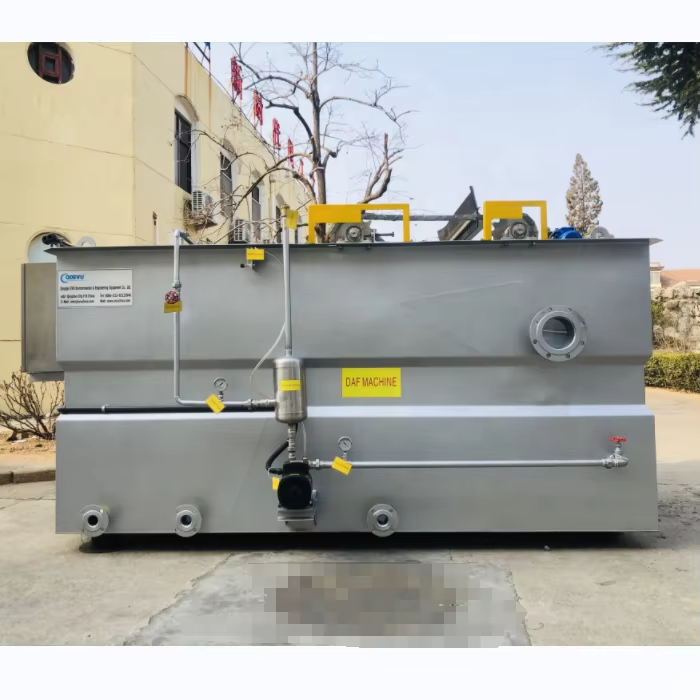
Understanding Cavitation in Air Flotation Machine of Aeration Systems and Its Impact on Maintenance
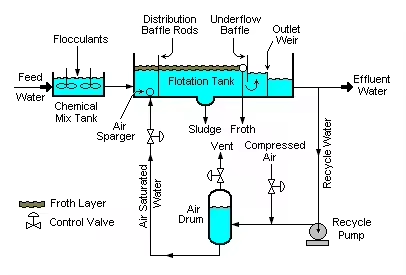
Enhances Separation Efficiency in Air Flotation Machines
When cavitation occurs in Dissolved Air Flotation (DAF) systems, it creates those tiny bubbles we all know are so important for water treatment. These bubbles form because of sudden shifts in pressure, which actually expands the total surface area where contaminants can stick. Tests show that when everything works right, this method boosts separation efficiency somewhere between 18% and 22%, mainly because those little bubbles just grab onto finer particles better than larger ones do. Most major equipment makers have started putting adjustable controls on their cavitation systems these days. This lets operators tweak things based on what kind of load comes into the system, while still keeping those bubbles stable enough to work properly. Some plants report noticeable improvements after making these adjustments, especially during peak times when influent quality varies quite a bit.
The Role of Controlled Cavitation in Preventing Sludge Buildup
When done right, cavitation management breaks down those stubborn biofilms and stops settled solids from turning into thick, compacted sludge layers over time. Keeping things moving with turbulence in key areas makes a big difference too. Systems that do this can cut down on sludge buildup by around 40% when compared with setups that don't use cavitation at all. And nowadays most installations come equipped with real time turbidity sensors working alongside special cavitation actuators. These work together to automatically tweak operations whenever there's a spike in organic material coming through the system, which happens more often than we'd like to admit.
Advancements in Cavitation-Resistant Materials for DAF System Longevity
| Material Type | Erosion Resistance Improvement | Typical Lifespan Extension |
|---|---|---|
| Tungsten Carbide Coatings | 68% | 3–5 years |
| Ultra-High Molecular Weight Polyethylene | 52% | 2–4 years |
| Laser-Clad Stainless Steel | 81% | 6–8 years |
These engineered materials combat pitting and surface degradation, addressing the primary failure mode in high-cavitation zones such as venturi nozzles and impeller housings.
Monitoring Cavitation Intensity to Balance Performance and Equipment Wear
Today's Dissolved Air Flotation (DAF) systems rely on acoustic emission sensors along with vibration analyzers to measure how intense the cavitation actually is during operation. Most operators keep an eye on these vibration levels, aiming for around 2.5 to 3.5 meters per second squared as a safe range. This helps avoid equipment damage without sacrificing the system's ability to remove suspended solids from water. Many facilities now use cloud based analytics tools that link together all this cavitation data with past maintenance records. What does this mean in practice? Well, plants have reported being able to stretch out their pump maintenance schedules by anywhere from 30% to nearly half compared to what they used to do before implementing such monitoring systems.
Implementing Preventive Maintenance Schedules for DAF Pump Systems
Preventive maintenance is critical for sustaining Air Flotation Machine performance while minimizing operational disruptions. Structured maintenance plans reduce equipment wear by up to 60% compared to reactive approaches (EPA 2022), making them essential for wastewater treatment operations.
Daily and Weekly Cleaning Routines to Prevent Contamination in Air Flotation Machines
Start every morning by taking a quick look at those suction screens since they tend to collect all sorts of gunk over time, which can really mess up pump operation down the line. Once a week, make sure to flush out the nozzles where algae and other organisms love to grow, double check if the skimmer blades are still properly aligned after all that movement, and don't forget to test how much air is actually dissolving into the water. These regular checks stop solid particles from building up inside the system, something that seriously impacts how well the DAF unit separates stuff out. We've seen plants struggle with poor performance when these basic maintenance steps get neglected.
Monthly Inspection of DAF System Pump Types for Seal Degradation and Leaks
Focus on three key pump categories:
| Pump Type | Critical Checkpoints | Failure Risk if Ignored |
|---|---|---|
| Centrifugal | Shaft seal integrity, bearing lubrication | 45% higher leak rates |
| Diaphragm | Valve plate wear, diaphragm elasticity | 30% efficiency loss |
| Progressive Cavity | Rotor-stator clearance, drive chain tension | Unplanned downtime |
Document findings to identify recurring issues, such as seasonal corrosion spikes or wear patterns linked to operating cycles.
Annual Professional Calibration and Maintenance for Long-Term Reliability
Schedule expert-led servicing to recalibrate pressure transducers within ±2% accuracy, replace sacrificial anodes in saturator tanks, and conduct motor winding resistance tests. Facilities using third-party certification for calibration report 22% longer equipment lifespans due to improved system consistency and compliance readiness.
Standardized vs. Usage-Based Maintenance Plans: Optimizing Schedule Effectiveness
Fixed-interval schedules work well for low-utilization systems (<8 hrs/day), while high-throughput operations (>15 hrs/day) benefit from condition-based triggers:
- Motor hours: Replace seals every 5,000 operating hours
- Turbidity spikes: Trigger impeller inspections
- Energy draw: A sustained increase of +10% above baseline warrants bearing checks
Mining plants combining both strategies have achieved 92% pump availability, significantly outperforming the 78% average seen with standardized plans alone.
Ensuring Precision Through Regular Calibration and Component Inspection
Maintaining Treatment Accuracy With Routine Calibration of Air Flotation Machines
Regular calibration ensures Air Flotation Machines stay within about 2% of their intended specs, which stops them from drifting in performance due to parts wearing down or changes in the surrounding conditions. Most manufacturers suggest checking pressure sensors and dissolved oxygen monitors every three months because small errors can actually cut contaminant removal rates by around 15 to 20 percent over time. Newer equipment comes with built-in diagnostics that will alert operators when something needs adjusting, but for really important operations where failure isn't an option, hands-on checks are still necessary. Water treatment plants handling drinking water supplies typically fall into this category where no margin for error exists.
Biannual Calibration Boosts DAF Efficiency by Up to 30%: Evidence From EPA Case Studies
According to an EPA study from 2023 looking at 47 different city wastewater treatment plants, those that calibrated their equipment twice a year saw significantly better results compared to ones doing it just once annually. The average increase in sludge separation rates ranged between about 26% and 31%. Why? Because the air to water balance inside those big mixing tanks tends to drift off track after around six to eight months of operation. Some facilities took things even further by incorporating laser alignment tools when adjusting rotor positions during these calibrations. These plants managed to cut down their overall energy usage by another 12% or so. Makes sense really - getting everything properly aligned means the whole system works smarter instead of harder, saving money while being kinder to the environment at the same time.
Inspecting Handpieces for Wear, Vibration-Induced Loosening, and Mechanical Stress
Inspect discharge nozzles and rotor bearings every 300 operational hours for early signs of failure, including:
- Radial play exceeding 0.5mm in bearing housings
- Asymmetric erosion patterns on titanium alloy diffusers
- Torque values below 25N·m at flange connections
Vibration analysis tools capable of detecting harmonic frequencies between 5–15kHz help identify loose components before catastrophic failures occur. In high-salinity environments, ceramic-coated parts last 2.3 times longer than standard stainless steel equivalents.
Updating Operator Training and Safety Protocols Alongside Calibration Updates
According to a recent 2024 industry report, nearly two thirds of all calibration problems happened because techs were still using old manuals for new sensor setups. The smart ones among us have started linking their maintenance software updates right alongside VR training sessions where workers get hands on with situations they might actually face, such as those sudden pressure release emergencies nobody wants to deal with. Plants handling over 10 thousand cubic meters per day saw something pretty amazing happen after this combo approach took hold: protocol mistakes dropped almost 9 out of 10 times, while the time spent fixing calibration issues went down by around 40 percent simply because staff knew what to do before trouble even showed up.
Diagnosing and Resolving Common Electrical and Mechanical Failures
Electrical failures as leading causes of downtime in cavitation machines
More than 40% of unexpected shutdowns in Air Flotation Machines come from electrical problems most of the time. These issues usually stem from old wiring that's worn out, sudden power spikes, or sensors that just stop working properly. Even one bad connection somewhere in the system can throw off how strong the cavitation is, which means sludge doesn't separate evenly and the whole treatment process becomes less effective. Operators have found that regular insulation resistance testing along with thermal imaging scans are pretty good at spotting trouble spots early on before something actually breaks down completely during operation.
Corrosion and thermal cycling effects on connection reliability
When temperatures go up and down repeatedly over time, it really speeds up the oxidation process on electrical contacts. Some research shows this can actually increase resistance by around 15% each year in many cases. Things get even worse for equipment located along coastlines where salt air is constantly attacking materials. Connectors placed near those big aeration chambers tend to break down about three times quicker compared to similar components sitting in drier locations elsewhere. From what we've seen in the field, silicone based sealants work pretty well for keeping things sealed tight, while gold plated terminals hold up much better against corrosion when exposed to these tough environmental conditions.
Routine diagnostics for broken handle wires and poor electrical connections
Implement a three-step verification protocol during monthly maintenance:
- Continuity checks for all control panel-to-handpiece wiring
- Load testing under maximum cavitation settings
- Visual inspection for insulation cracks or terminal discoloration
Portable megohmmeters now allow field technicians to assess ground fault risks in under 60 seconds—70% faster than traditional methods—enabling quicker interventions and reducing diagnostic delays.
Bridging the gap between high uptime expectations and predictive maintenance investment
Most plant operators care deeply about keeping things running smoothly, with around 89% listing downtime reduction as a top concern. Yet when it comes to actually implementing advanced monitoring techniques like vibration analysis or current signature checks on those Air Flotation Machines? Only about a third are doing it right now. Switching from fixing problems after they happen to catching issues before they occur does mean spending money upfront on sensors. But according to the latest Industrial Maintenance Report from 2023, this investment pays off handsomely over time, cutting yearly repair bills by roughly eighteen thousand dollars per machine. And today's cloud based diagnostic systems take things even further by sending instant warnings whenever something looks off electrically. This means technicians can plan repairs around regular maintenance schedules instead of scrambling at inconvenient times.
Best Practices for Maximizing Air Flotation Machine Lifespan
Protecting Emitters and Handpieces From Impact Damage During Use and Transport
Install shock-absorbing foam inserts in storage cases to minimize collision risks during transport. Train operators in proper handling techniques, as accidental drops cause 17% of emitter failures in industrial settings (WaterTech Report 2023). Reinforced polymer housings extend service life by 2–3 years compared to standard models, particularly in mobile or multi-shift operations.
Using High-Quality Contact Gels to Prevent Gel Ingress and Internal Corrosion
Low-viscosity, ASTM-grade contact gels reduce particle infiltration by 40% in cavitation-prone DAF systems. A 2022 study showed that facilities using industrial-grade sealing gels lowered corrosion-related repair costs by $18,000 annually per machine. Select pH-neutral formulations to avoid chemical reactions with stainless steel components and ensure long-term compatibility.
Keeping Detailed Maintenance Records for Compliance, Audits, and Trend Analysis
Digital log systems with automated reminders improve compliance rates by 63% compared to manual logs. Facilities using cloud-based platforms reduce audit preparation time by 25 hours monthly while identifying wear trends 34% faster (Industrial Maintenance Journal 2023). Standardize entries to include timestamps, technician IDs, and component photos for traceability and accountability.
Establishing Monthly and Long-Term Benchmarks for High-Utilization DAF Operations
Operators who track monthly particle removal efficiency and energy consumption achieve 15% longer machine lifespans. Set 5-year targets for pump refurbishment and membrane replacement based on utilization—high-throughput systems processing over 20,000 gallons per day typically require component updates 18 months earlier than standard units due to accelerated wear.
Frequently Asked Questions
What is cavitation and how does it affect DAF systems?
Cavitation in DAF systems occurs when pressure changes create bubbles that enhance contaminant separation efficiency. Proper control of cavitation can reduce sludge buildup and improve maintenance strategies.
How can facilities improve the lifespan of their DAF systems?
Using cavitation-resistant materials, scheduling regular calibrations, implementing preventive maintenance, and training operators are key strategies to improve DAF system lifespan and efficiency.
Why is calibration essential for DAF systems?
Regular calibration keeps systems performing within their intended specifications and prevents drifts in performance, ultimately improving efficiency and reliability.
Table of Contents
- Understanding Cavitation in Air Flotation Machine of Aeration Systems and Its Impact on Maintenance
-
Implementing Preventive Maintenance Schedules for DAF Pump Systems
- Daily and Weekly Cleaning Routines to Prevent Contamination in Air Flotation Machines
- Monthly Inspection of DAF System Pump Types for Seal Degradation and Leaks
- Annual Professional Calibration and Maintenance for Long-Term Reliability
- Standardized vs. Usage-Based Maintenance Plans: Optimizing Schedule Effectiveness
-
Ensuring Precision Through Regular Calibration and Component Inspection
- Maintaining Treatment Accuracy With Routine Calibration of Air Flotation Machines
- Biannual Calibration Boosts DAF Efficiency by Up to 30%: Evidence From EPA Case Studies
- Inspecting Handpieces for Wear, Vibration-Induced Loosening, and Mechanical Stress
- Updating Operator Training and Safety Protocols Alongside Calibration Updates
-
Diagnosing and Resolving Common Electrical and Mechanical Failures
- Electrical failures as leading causes of downtime in cavitation machines
- Corrosion and thermal cycling effects on connection reliability
- Routine diagnostics for broken handle wires and poor electrical connections
- Bridging the gap between high uptime expectations and predictive maintenance investment
-
Best Practices for Maximizing Air Flotation Machine Lifespan
- Protecting Emitters and Handpieces From Impact Damage During Use and Transport
- Using High-Quality Contact Gels to Prevent Gel Ingress and Internal Corrosion
- Keeping Detailed Maintenance Records for Compliance, Audits, and Trend Analysis
- Establishing Monthly and Long-Term Benchmarks for High-Utilization DAF Operations
- Frequently Asked Questions