 EN
EN
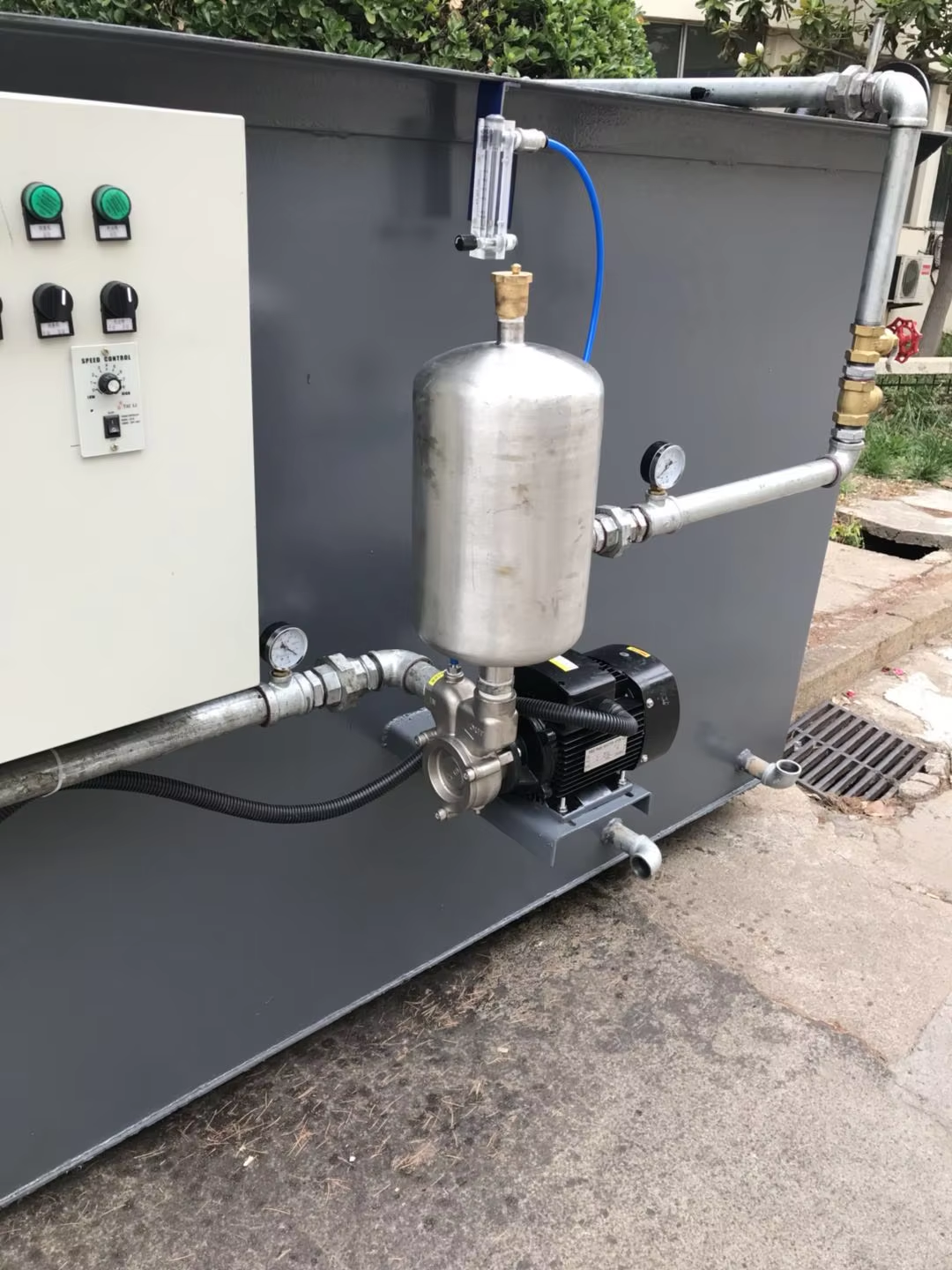
Understanding Air Flotation Machine and Its Role in DAF Pretreatment
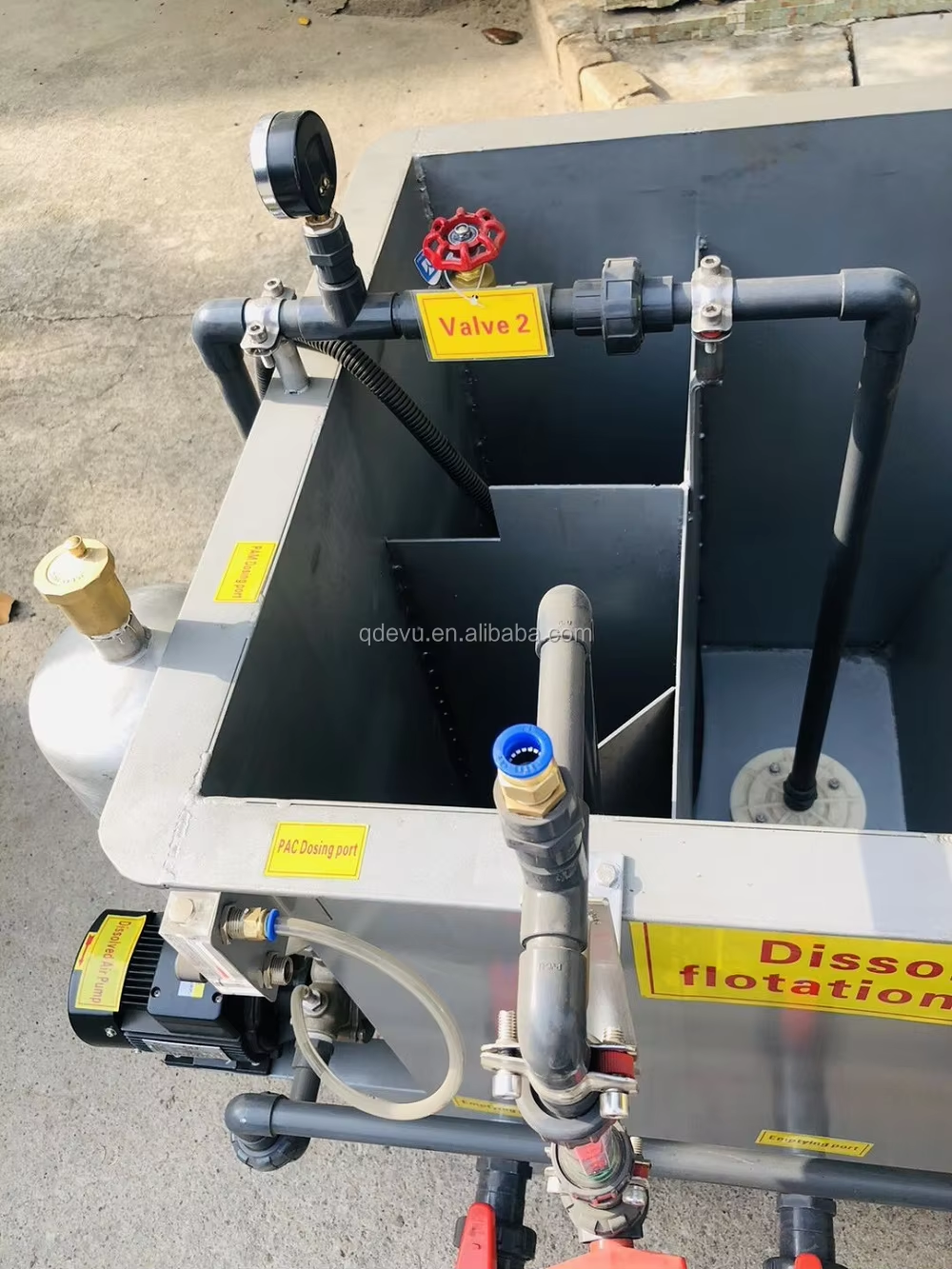
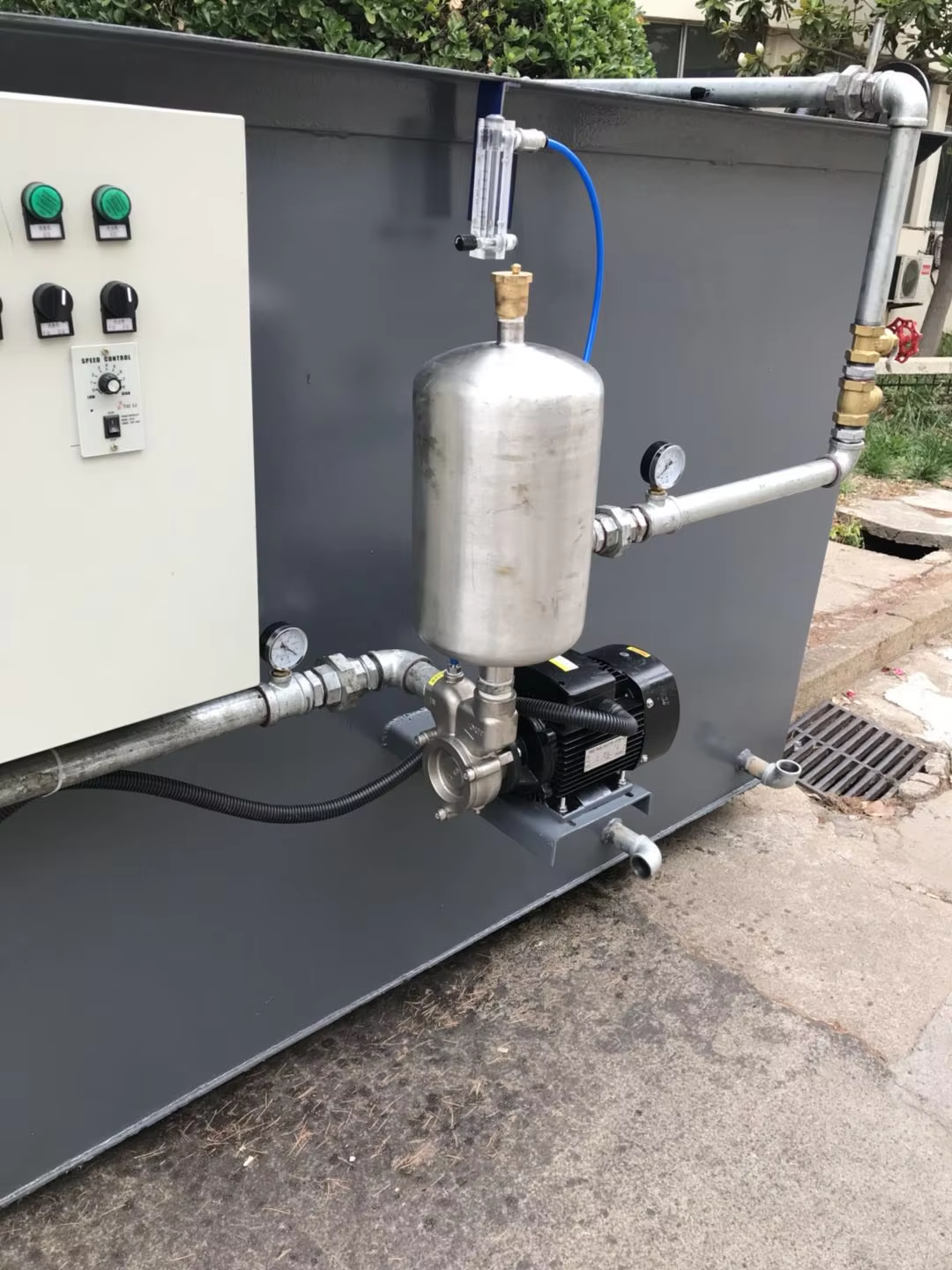
How Dissolved Air Flotation (DAF) Works in Wastewater Pre-Treatment
The Dissolved Air Flotation system works by separating those pesky suspended solids, oils, and emulsified contaminants from wastewater through pressurized air injection. When the pressure decreases inside the flotation tank, tiny bubbles about 30 to 50 microns in size start forming. These microbubbles stick to various particles in the water and essentially float them up to the surface where they can be skimmed off easily. Industrial facilities dealing with heavy loads often see around 90% reduction in total suspended solids thanks to this method. Let's break down how it all happens step by step:
- Coagulation/Flocculation: Chemicals aggregate fine particles to enhance bubble adhesion.
- Saturation Chamber: Air dissolves under 30–90 psi pressure.
- Separation Zone: Microbubbles float contaminants, forming a sludge layer that is mechanically removed.
Integration of Air Flotation Machine with Biological Treatment Systems
When it comes to wastewater treatment, DAF pre-treatment really helps keep those downstream biological processes running smoothly by cutting down on those sudden shock loads that can throw everything off balance. For systems dealing with food processing waste where BOD levels often exceed 1,500 mg/L, combining DAF technology with membrane bioreactors makes a big difference in how well the whole system performs. We saw this firsthand during a pilot run back in 2022 which showed something pretty impressive - around 65% less fouling in reactors when treating textile dye wastewater. What happens here is that when these technologies work together, the microbes actually do their job better. The result? Much more consistent COD removal rates, somewhere between 25% and 40% improvement over just using regular biological treatment methods alone.
When Is DAF Necessary? Evaluating the Need for Pre-Treatment
DAF is essential when wastewater contains:
- Fats/Oils/Grease (FOG): Concentrations exceeding 100 mg/L.
- Fine Solids: Particles under 50 µm, which settling tanks fail to capture.
-
Variable Loads: Common in dairy, pharmaceutical, and chemical industries.
Facilities with influent TSS above 500 mg/L have reduced sludge disposal costs by 38%, according to a 2021 industry benchmark. Operators should assess emulsified contaminants and settleability to determine if DAF’s $500–$800/ton operational cost aligns with efficiency gains.
Removal of Organic Load and Key Pollutants Using Air Flotation Machine
Reduction of BOD, COD, and TSS: Mechanisms Behind DAF Efficiency
Dissolved Air Flotation (DAF) takes care of those pesky organic pollutants like BOD, COD, and TSS through something called microbubble adhesion. Tiny air bubbles basically stick themselves onto all sorts of suspended particles and fats, lifting them right to the surface where they can be skimmed off. According to recent research published last year in wastewater treatment journals, this process cuts down what goes into biological reactors by roughly 40 to 60 percent. When DAF gets rid of those tricky emulsified oils and small solid bits, it actually helps protect the little microbes working downstream. Without these inhibitors getting in their way, the whole breakdown process works much better, which is good news for anyone running treatment plants.
Quantifying Performance: Average 40–60% Reduction in Organic Load via DAF
DAF delivers consistent reductions in key parameters:
| Parameter | Pretreatment Reduction Range | Impact on Biological Systems |
|---|---|---|
| BOD | 45–60% | Reduces aeration energy demand |
| TSS | 50–70% | Minimizes sludge bulking risk |
| Oils/Fats | 60–85% | Prevents biofilm clogging |
This early interception enhances biological system efficiency by 20–30%, lowering chemical usage and sludge management costs.
Case Study: Industrial DAF System Performance
A municipal plant implemented DAF to manage fluctuating industrial discharges. Results included:
- 55% reduction in COD during DAF treatment
- 40% lower membrane fouling in downstream MBR units
- 22% increase in biogas yield due to stabilized organic loading
These outcomes reflect broader trends where DAF improves resilience in variable-flow environments.
Effective Removal of Oils, Suspended Solids, and Emulsified Contaminants
How DAF Removes Oils, Greases, and Fine Suspended Solids
DAF systems remove oils and greases by attaching microbubbles (30–50 µm) to hydrophobic particles, decreasing their density and promoting flotation. This method eliminates 70–90% of emulsified contaminants in industrial streams, targeting particles as small as 10 µm. The resulting buoyant sludge is skimmed off, preventing oil carryover into biological stages.
Preventing Clogging and Fouling in Downstream Biological Processes
By reducing suspended solids by 60–85%, DAF minimizes biofilm buildup on membranes and diffusers. Filter backwash frequency drops by 35–50%, directly cutting aeration energy use. Additionally, removing abrasive particles reduces pump wear by 2–3 times, extending equipment life in activated sludge systems.
Balancing High Oil Loads and Microbial Sensitivity in Biological Reactors
When air flotation is applied to biological reactors, they can actually process anywhere from four to six times more oil concentration while still keeping those important nitrifying bacteria healthy. Some field tests have demonstrated that water treated with DAF before entering MBR systems leads to better COD removal rates, typically between 18 and 22 percent improvement. Plus, there's been a noticeable drop in those nasty toxic shock incidents that plague many treatment plants. For biogas production to stay stable, operators need to keep oil levels after DAF treatment under 50 mg per liter. At this point, methane output goes up around 15%, which means healthier microbes overall and better resource recovery from waste streams.
Enhancing Efficiency and Stability of Downstream Biological Treatment
Improved Process Stability and Treatment Efficiency Post-DAF
Air flotation takes care of around 40 to 60 percent of the organic stuff (like BOD and COD) plus about 70 to 85 percent of all those floating particles before the wastewater even gets to the bioreactors. The process really helps stabilize what's going on with the microbes since it washes away things that mess them up, such as oils and heavy metals hanging around in the water. A recent report from the Water Environment Federation back in 2023 showed something interesting too. Plants that implemented DAF systems saw their BOD removal rates hit around 92%, give or take 3%. That's actually pretty impressive when compared to facilities without this technology, which only managed about 18% less effectiveness overall. When there's less fluctuation in the system, operators can better maintain proper levels of dissolved oxygen and manage sludge retention time. These factors matter a lot for getting good results from both nitrification processes and removing phosphorus from the water stream.
Impact on Sludge Management and Biogas Yield in Biological Systems
By removing 550–800 mg/L of TSS upstream, DAF cuts sludge production in secondary clarifiers by 30–40%. This leads to:
- 15–30% lower polymer consumption during dewatering
- 15–30% higher biogas yields from increased organic content in primary sludge
- 20% longer membrane lifespan in MBR installations
Stable organic loading also prevents feast-famine cycles in anaerobic digesters, maintaining daily methane output within ±7% variation—significantly better than the ±22% fluctuation seen in non-DAF systems.
FAQ
What is Dissolved Air Flotation (DAF)?
DAF is a water treatment process that removes suspended solids, oils, and other contaminants by injecting pressurized air into wastewater to create microbubbles.
Why is DAF pretreatment necessary for biological treatment systems?
DAF pretreatment reduces shock loads on biological systems, stabilizes them, and enhances the removal of organic pollutants, improving overall efficiency.
How effective is DAF in removing organic load and pollutants?
DAF consistently delivers reductions in BOD, COD, and TSS by 40–60%, minimizing sludge and improving biological treatment efficiency.
What industries commonly use DAF systems?
DAF systems are widely used in industries like dairy, pharmaceutical, chemical, and food processing due to their ability to handle variable loads and high concentrations of fats, oils, and grease.
How does DAF impact sludge management and biogas yield?
DAF reduces sludge production by 30–40% and increases biogas yields by improving the organic content in sludge and stabilizing loading cycles.