 EN
EN
How Air Flotation Machine Technology Works in Industrial Wastewater Treatment
The Science Behind Microbubble Contaminant Separation
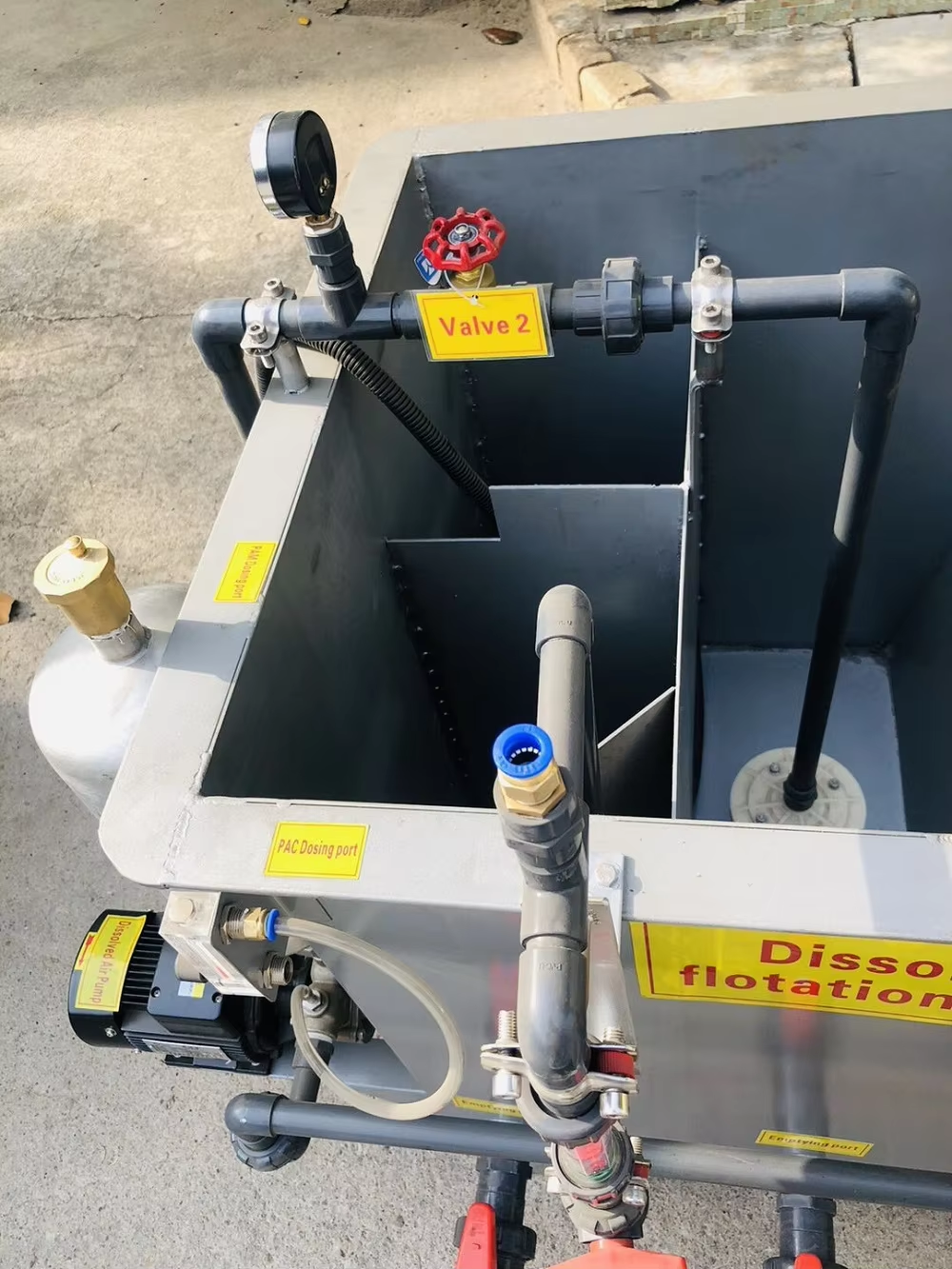
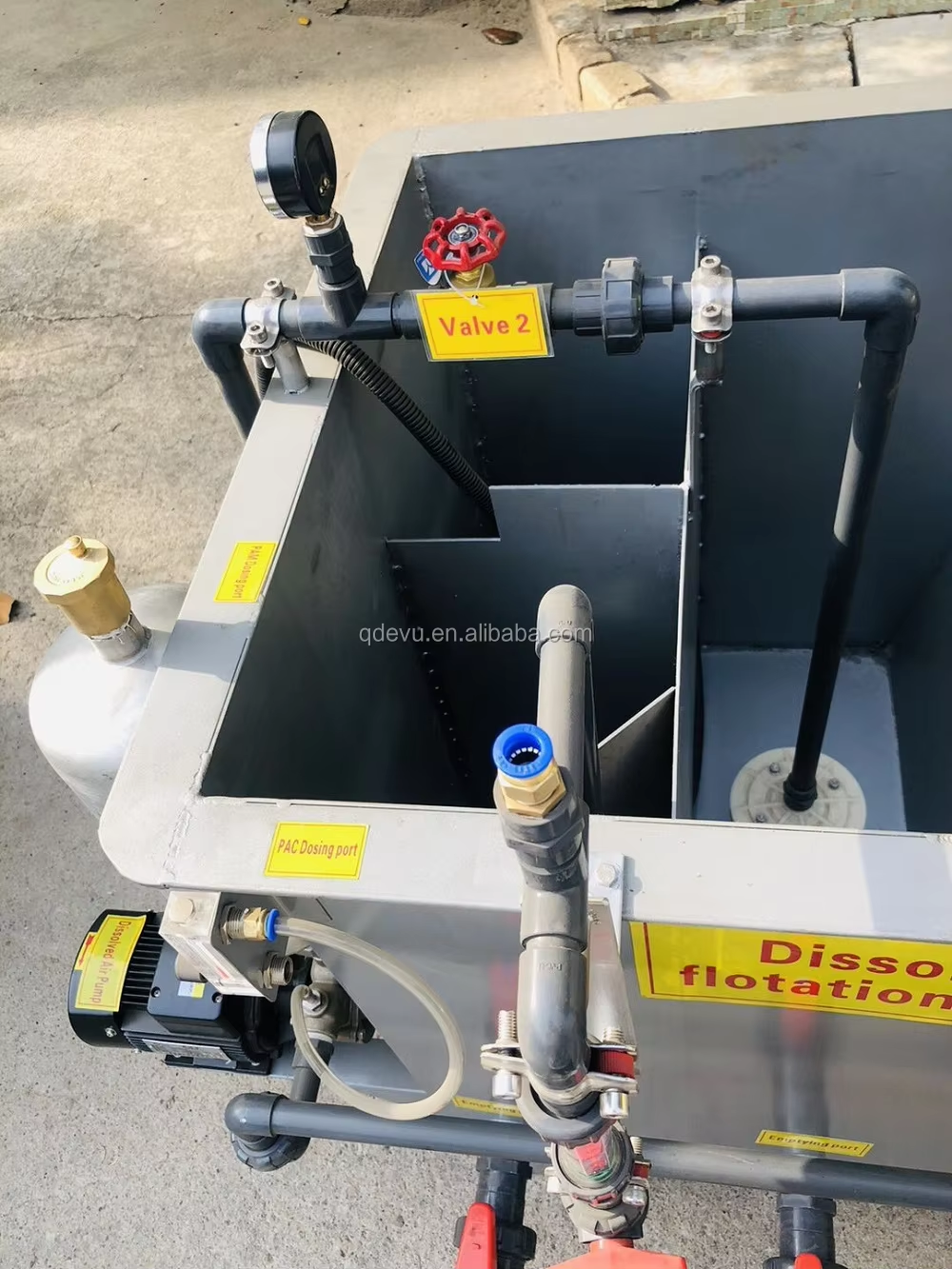
Air flotation systems work by creating tiny bubbles between 10 and 100 microns across that stick to dirt and grime thanks to their electrical charges. These bubbles basically float stuff like oil, sludge, and mixed-in pollutants right up to the top of the water. According to research from Ponemon back in 2023, this method can get rid of around 95% of fats and floating particles most of the time. The big difference compared to regular settling tanks that just let things sink down is speed. Air flotation makes everything separate much faster, about three to five times quicker actually. That's why so many factories and treatment plants rely on this technology when they need to process large volumes quickly without waiting hours for things to settle naturally.
Key Components and Automation Trends in Modern Air Flotation Machine Systems
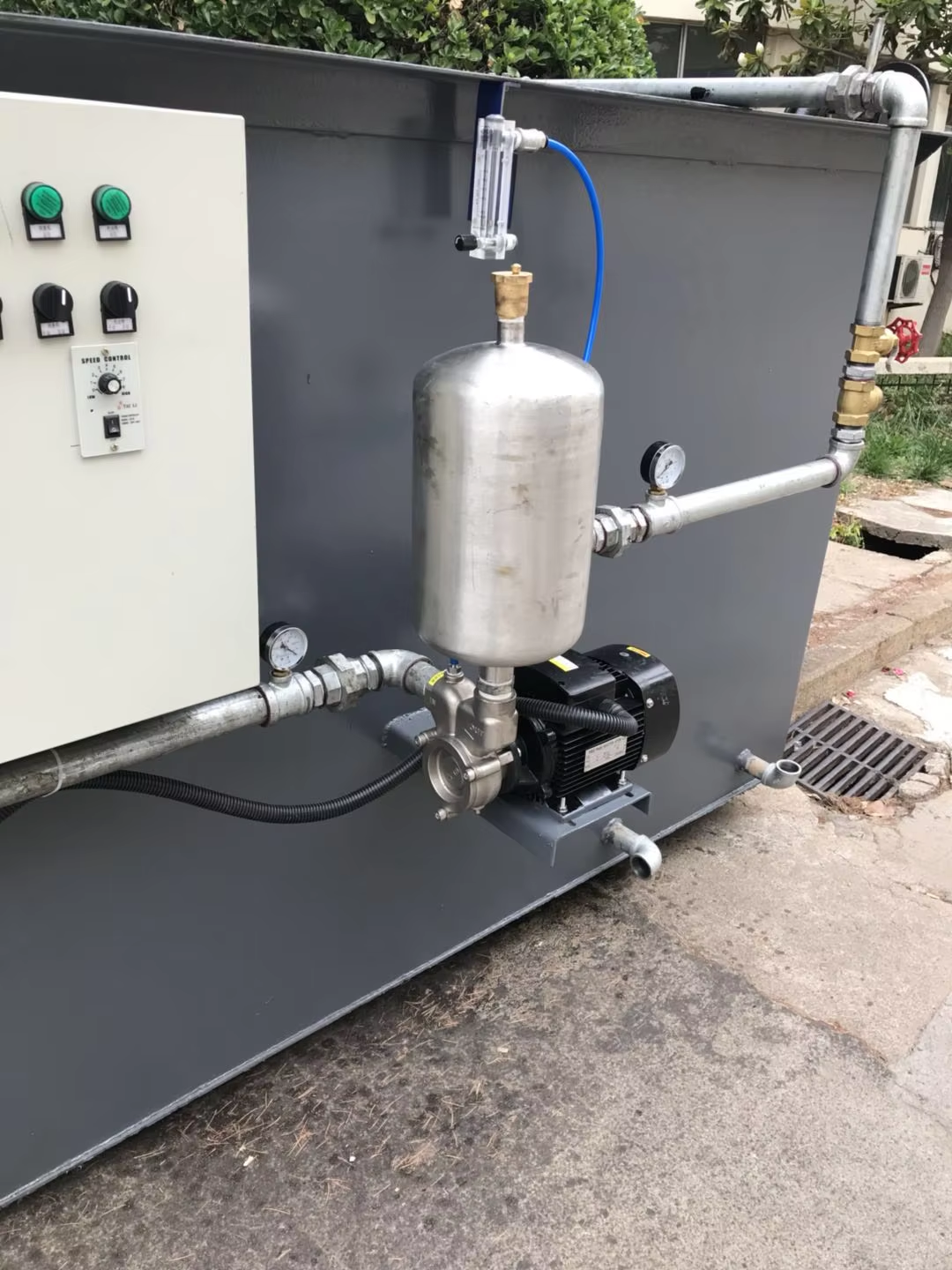
Modern systems rely on three core components:
- Saturation vessels – Dissolve air under 6–8 bar pressure
- Diffusers – Produce uniform microbubble clouds
- IoT-enabled controllers – Optimize chemical dosing and flow rates in real time
According to a 2024 automation study, smart air flotation machines reduce energy consumption by 40% while maintaining effluent consistency within ±5% turbidity variance, enhancing both performance and operational control.
Why Industries Are Shifting Toward Air Flotation for Water Reuse
When food processors switch to air flotation systems, they typically recover around 85% of their water, which is way better than the standard 55% from old school clarifiers. For textile plants dealing with wastewater, these systems cut down chemical oxygen demand (COD) levels by about 30%, saving them roughly $700k each year on potential fines for not meeting environmental standards. Another big plus compared to membrane filtration is that air flotation works well even when there are fluctuations in what's floating around in the water. No need to keep replacing expensive membranes every few months either, so companies end up spending anywhere between 18% to 22% less on maintenance costs over a five year period according to industry reports.
Air Flotation Machine Solutions for the Food Processing Industry
Removing Fats, Oils, and Suspended Solids with High Efficiency
Air flotation systems can achieve removal rates between 90 and 95 percent for fats, oils, and suspended solids (FOG/SS) using those tiny 30 to 50 micrometer bubbles created with precision. The way these microbubbles work is pretty clever too they stick together forming buoyant clusters that float up about four times quicker compared to older methods. According to some research published in 2023 related to water treatment, food processing plants saw their FOG levels drop dramatically from around 800 mg per liter down to under 40 mg per liter just after primary treatment. This kind of improvement means fewer problems with filters getting clogged and less strain on all the equipment further along the line.
Meeting Strict Effluent Regulations and Avoiding Penalties
The EPA set a limit in their 2024 regulations that food processing plants can't let their wastewater contain more than 100 mg/L of total suspended solids (TSS). Air flotation systems have become popular because they come with built-in TSS monitors that work all day long, plus they automatically adjust how much chemicals get added when needed. This helps keep things within legal limits even when production ramps up during busy periods. Plants that switched to these systems are seeing around 65% fewer problems with their permits compared to facilities still using just settling tanks. And that means big savings too since each violation typically costs about $45,000 in fines.
Minimizing Downtime and Boosting Production Through Cleaner Water Cycles
In poultry farms and dairy facilities, recycling treated water can cut down on fresh water usage somewhere around 40 to 60 percent. A major meat processing plant saw real improvements after they installed air flotation systems. Their maintenance downtime dropped by about 18%, mainly because there were far fewer problems with greasy stuff clogging up pumps – those issues went down roughly 70%. Plus, the membranes in their reverse osmosis units lasted almost twice as long as before. For the workers, automated sludge removal made a big difference too. Manual cleaning tasks that used to take so much time now require 25 fewer man hours each week across every production line, which adds up to significant savings over time.
Solving Textile Wastewater Challenges Using Dissolved Air Flotation Machine Systems
Treating High-Load Dye Wastewater and Reducing Color Intensity
Dissolved air flotation or DAF systems work pretty well for getting rid of those stubborn dye particles in textile waste water. They create tiny bubbles around 30 to 50 microns across that stick to the organic dyes and other stuff floating around in the water. Most plants report somewhere between 85% and 95% less color after running through these systems. Some recent tests from last year actually found about 92% improvement in color removal when using DAF technology compared to old fashioned settling tanks which only manage around 68%. The newer models come equipped with better pressure regulation that adjusts bubble sizes depending on what kind of dye molecules are present, making the whole separation process much more accurate than before.
Lowering Chemical Oxygen Demand (COD) for Safer Discharge
DAF systems can take out around 75 percent of those pesky organic contaminants which really brings down the COD levels since COD is one of those important metrics regulators look at. Combine these systems with some polymer assisted flocculation and watch what happens to those COD numbers drop from somewhere between 1500 and 2000 mg per liter all the way down below 300 mg per liter. That means facilities are able to meet those tough EPA requirements for discharging water back into the environment. The system actually has built in sensors that tweak how much chemicals get added depending on what's coming into the system. This smart adjustment cuts down on chemical usage by about 18 percent without sacrificing compliance with regulations according to Water Quality Association research from last year.
Air Flotation vs. Membrane Filtration: Performance and Cost Comparison
While membrane filtration offers slightly higher purity (95–98% removal vs. DAF’s 85–92%), air flotation systems consume 40% less energy and require 60% lower maintenance. For textile plants processing 500 m³/day, DAF delivers a 12-month ROI through reduced sludge hauling and extended filter press intervals. The table below summarizes key operational differences:
| Metric | Air Flotation | Membrane Filtration |
|---|---|---|
| Energy Consumption | 0.8 kWh/m³ | 1.3 kWh/m³ |
| Maintenance Frequency | Quarterly | Monthly |
| Average Lifespan | 15-20 years | 8-12 years |
| Footprint | 50-70 m² | 100-120 m² |
This balance of performance and cost explains why 67% of textile operators prioritize DAF upgrades for pretreatment.
Managing Hazardous Waste in Chemical Manufacturing with Air Flotation Machine Applications
Separating Emulsified Organics and Toxic Byproducts Safely
Dissolved air flotation (DAF) systems achieve 90–95% removal of emulsified oils and reactive chemical byproducts using microbubble adhesion. Micron-scale bubbles attach to hydrophobic contaminants like benzene derivatives, floating them for skimming–critical for neutralizing carcinogenic compounds before disposal.
Ensuring Regulatory Compliance and Workplace Safety
Automated DAF systems reduce worker exposure to toxins by 74% compared to manual methods, aligning with EPA’s effluent guidelines (40 CFR 437) and OSHA’s permissible exposure limits (PELs) for volatile organic compounds. Continuous monitoring of pH and dissolved oxygen ensures safe, compliant operation.
Balancing Initial Investment with Long-Term Operational Savings
Though DAF systems carry a 20–30% higher initial cost than sedimentation tanks, they cut sludge disposal expenses by 65% over five years. This supports the EPA’s 2023 Pollution Prevention Act, which emphasizes lifecycle cost analysis for hazardous waste equipment.
Key Data Comparison
| Factor | Traditional Methods | DAF Systems |
|---|---|---|
| Annual sludge disposal | $240K | $84K |
| Chemical usage | 12–15 kg/day | 6–8 kg/day |
| Maintenance hours/month | 40 | 18 |
| Based on Ponemon Institute's 2023 analysis of chemical manufacturing plants |
Frequently Asked Questions (FAQ)
What is the primary function of air flotation systems in wastewater treatment?
Air flotation systems primarily work by producing microbubbles that attach to contaminants like oil, sludge, and pollutants, allowing them to float to the surface for removal.
How does air flotation compare to traditional settling tanks?
Air flotation systems are faster than traditional settling tanks, processing contaminants three to five times quicker and achieving a higher removal rate.
Why are industries shifting to air flotation systems?
Industries are moving to air flotation due to higher water recovery rates, reduced chemical demand levels, and lower maintenance costs.
What are the benefits of air flotation systems for food processing plants?
For food processing industries, air flotation helps in reducing fats, oils, and suspended solids, minimizes downtime, and aids in complying with stringent effluent regulations.
How do Dissolved Air Flotation (DAF) systems help in textile wastewater treatment?
DAF systems significantly reduce dye particles and color intensity in textile wastewater while lowering chemical oxygen demand for safer discharge.
Table of Contents
- How Air Flotation Machine Technology Works in Industrial Wastewater Treatment
- Air Flotation Machine Solutions for the Food Processing Industry
- Removing Fats, Oils, and Suspended Solids with High Efficiency
- Meeting Strict Effluent Regulations and Avoiding Penalties
- Minimizing Downtime and Boosting Production Through Cleaner Water Cycles
- Solving Textile Wastewater Challenges Using Dissolved Air Flotation Machine Systems
- Treating High-Load Dye Wastewater and Reducing Color Intensity
- Lowering Chemical Oxygen Demand (COD) for Safer Discharge
- Air Flotation vs. Membrane Filtration: Performance and Cost Comparison
- Managing Hazardous Waste in Chemical Manufacturing with Air Flotation Machine Applications
-
Frequently Asked Questions (FAQ)
- What is the primary function of air flotation systems in wastewater treatment?
- How does air flotation compare to traditional settling tanks?
- Why are industries shifting to air flotation systems?
- What are the benefits of air flotation systems for food processing plants?
- How do Dissolved Air Flotation (DAF) systems help in textile wastewater treatment?