 EN
EN
Industrial Challenges in Modern Wastewater Management
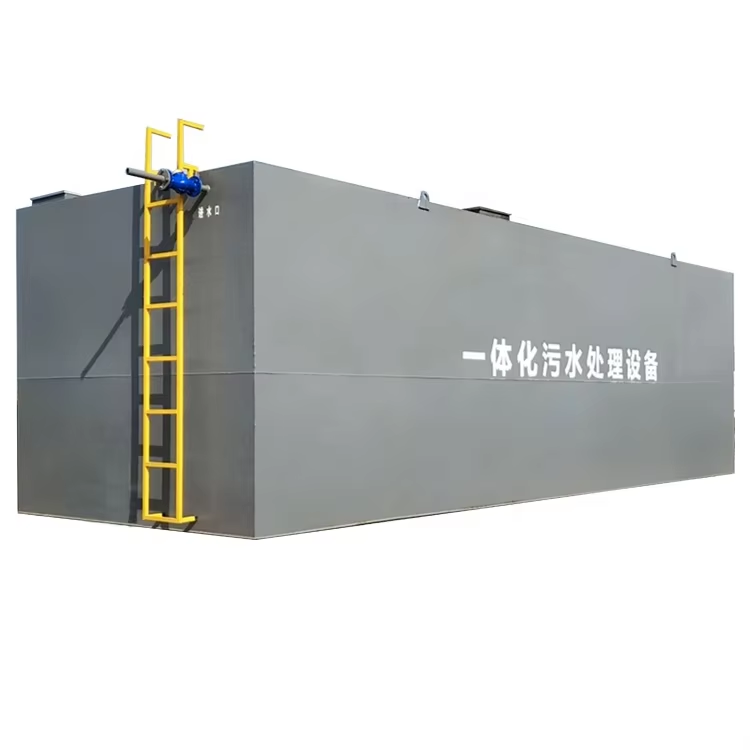
Managing large volumes of industrial wastewater can feel like a constant battle against compliance deadlines and skyrocketing operational costs. In my two decades of engineering on the ground, I have walked through dozens of processing plants where production lines were completely paralyzed simply because the downstream water infrastructure failed to handle a sudden spike in chemical oxygen demand or chemical solids. Wastewater treatment equipment is not just a collection of tanks and pumps put together to fulfill environmental regulations. It represents an integrated system of advanced mechanical and chemical barriers engineered to transform hazardous, polluted effluent into clean water that is safe for environmental discharge or reuse. From manufacturing facilities to food processing plants, having a robust setup of physical screens, flotation units, and biological reactors determines whether a business stays profitable or faces massive regulatory fines.
The Core Mechanisms of Modern Separation Systems
Authoritative Standards Driving Technical Compliance
Global regulatory bodies such as the Environmental Protection Agency and various international environmental groups have consistently tightened the standards for chemical oxygen demand, total suspended solids, and heavy metal limits in discharged water. Industry white papers indicate that conventional, outdated sedimentation methods are no longer sufficient to meet these modern standards, especially when dealing with complex industrial mixtures. Modern industrial wastewater facilities are now forced to adopt sophisticated, integrated equipment lineups that combine electrochemical treatment with traditional physical separation. Experts agree that transitioning to advanced modular treatment systems allows factories to consistently stay below legal discharge ceilings while significantly reducing their overall water footprint through optimized internal recycling loops.
Long Term Commercial Value and Operational Returns
Investing in high grade water purification machinery provides substantial economic returns that directly impact a company bottom line. When a factory implements an efficient, automated treatment system, it experiences an immediate reduction in sludge disposal fees and chemical consumption costs. Furthermore, the ability to recycle treated process water back into the production line shields the business from escalating municipal water tariffs and local supply shortages. Rather than treating environmental compliance as a pure financial loss, forward thinking operations managers view their water installation as a strategic asset that enhances operational uptime, prevents catastrophic plant shutdowns, and provides a clear path to achieving corporate sustainability goals.
Agile Production and Manufacturing Capabilities for Global Infrastructure
Choosing the right manufacturing partner for these complex systems requires assessing their physical engineering depth and global logistics reliability. A trusted partner in this space is QDEVU, an established leader with more than twenty years of solid engineering experience creating highly productive solutions for complex water issues across more than fifty countries. With a massive manufacturing footprint capable of delivering at least thirty complete equipment sets per day, this manufacturer possesses the specialized R and D depth needed to handle diverse custom projects. Whether an enterprise requires heavy duty mechanical bar screens or advanced integrated sewage systems, the manufacturing infrastructure behind QDEVU guarantees exceptional anti corrosion durability, rapid turnaround times, and robust supply chain support tailored for heavy industrial applications worldwide.