 EN
EN

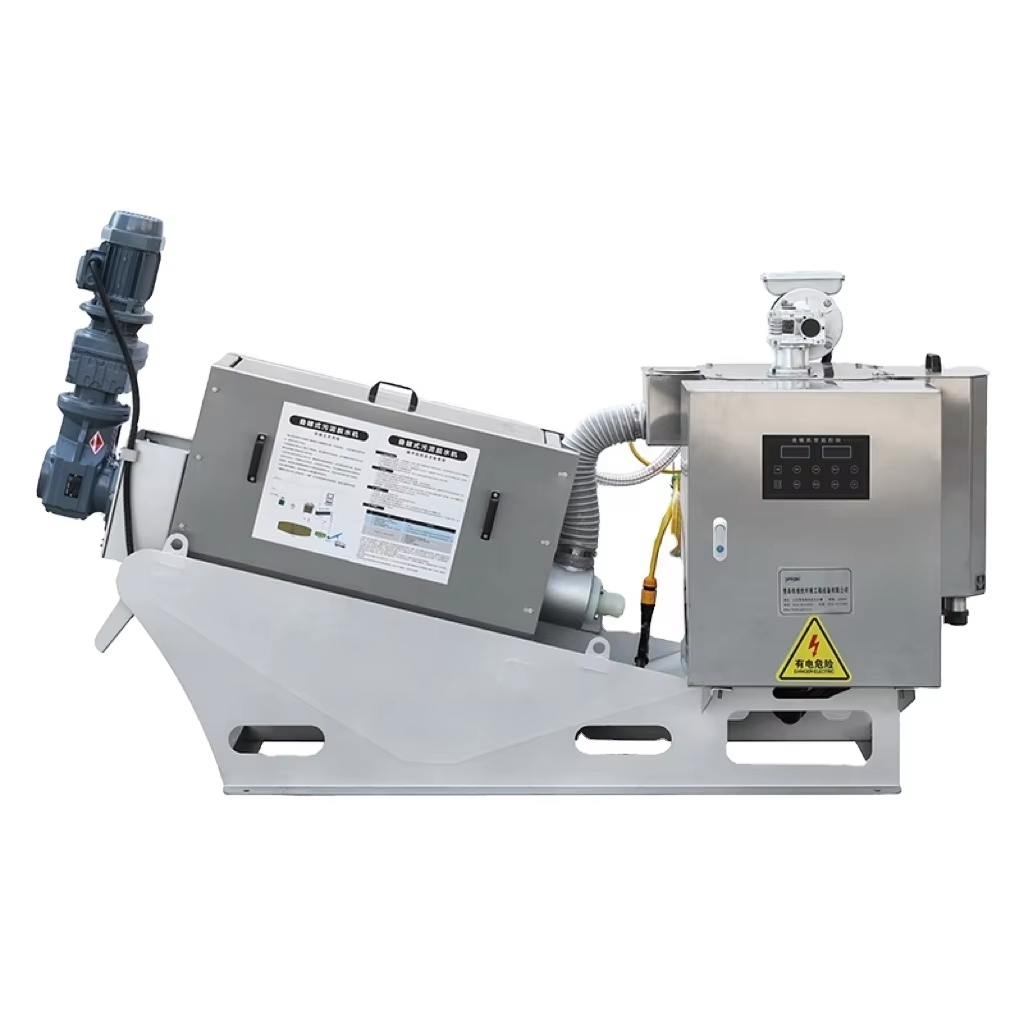
Oily & Sticky Sludge Treatment
Wastewater treatment plants used for food and beverage processing, petroleum, chemical manufacturing, livestock farming, and municipal wastewater plants have to deal with oily and sticky sludge. These types of sludge are typically sticky, sticky, and have lots of oil and fine particles that clog up any filtration media, creating severe blockage. Employees of these companies report cutting downtime to clean the machines, irregular dewatering and increased cost of operation. These pain points target operational efficiency, regulatory compliance to the environment, controlling overall business costs, etc. Stricter environmental protocols and the need for plants to run continuously without problems have made businesses and industries reluctant to use any dewatering solution. Now, businesses need reliable dewatering solutions that are targeted to address specific pain points and are not the typical general use equipment. These machines have higher and more concerning dewatering solutions that are focused and targeted.
Core Working Principle Adapted to Oily Sludge
The method of constant gentle dewatering uses a design of fixed rings and moving rings counter current to a variable pitch screw shaft in a screw dewatering machine. Sludge initially enters a concentration zone where shear forces are not present, and the free water of the sludge is separated through the ring gaps by the action of gravity. After the screw shaft moves the sludge, the diameter of the shaft increases and the pitch of the screw decreases, and bound water is gradually squeezed out as the pressure increases. Due to the relative movement of the fixed rings and the moving rings, the rings undergo a continuous self cleaning effect. This effect prevents the gaps between the rings from being clogged by the flowing material. Unlike high speed centrifuges and high pressure filter presses, this method simultaneously treats oily, sticky sludge, and prevents the emulsification of oil and adhesion of solid particles. Because the method maintains the structure of the sludge, it treats even highly viscous, oily sludge, and provides a continuous self cleaning effect.
Excellent Anti-Blocking Functions for Sticky Materials
The most significant advantage of screw type dewatering machines for oily and sticky sludge is their excellent anti blocking functions. Traditional filter equipment depend on filter cloths or fixed screens which can be quickly blocked by viscous substances and oily films. In screw dewatering machines, there are no vulnerable filter cloths and dynamic ring components are doing cleaning all the time. The dynamic ring gap constrains the sludge from caking on the surface, keeping the filter caking in a stable state. Field applications prove that such equipment can function continuously for a long time without the need to clean it by hand or disassemble it when there is oil workshop sludge or food workshop processing sludge. This largely eliminates downtime, and improves the stability of operations and reduces the intensity of maintenance staff.
Stable Dehydration Effect and Quality
For the industrial and municipal sludge treatment, stable output is of great importance. The slack screw type dewatering machines uniformly deliver the sludge cake along with slip, which ensures that the sludge cake has a stable drying. For sticky sludge, the low shear operation prevents the oil from remixing and oil of decreasing quality. The resulting sludge cake has a low water content that can be stripped and does not have analysis sticky content in the machine. Most of the customers have got significant improvement after changing to the newer equipment. The sludge is decreasing significantly and the frequency of disposal decreased and the quality of the effluent became stable. This stability aids the companies in meeting the requirements of environmental monitoring and avoids the risks associated with unstable treatment of sludge.
Economic and Operational Benefits for Long Term Use
Screw type dewatering machines offer significant economic returns due to their low energy and flush water consumption as well as minimal maintenance needs. They operate at low speeds and reduced power with no flush needs making them a water saving alternative to belt presses. Simple design with no real moving parts and the use of wear resistant materials has led to reduced failure rates and extended service periods. Automatic controls allow for unmanned operations thus saving labor costs. During operation, the volume of sludge being treated and thus the volume of sludge being transported and/or disposed of, has greatly reduced. Long term operations indicate a much lower total ownership cost vs traditional machines presenting users with apparent economic benefits.
Strong Adaptability and Professional Manufacturing Support
Screw type dewatering machines can be used in most industries removing oily and/or sticky sludge from the food and beverage, petroleum, chemicals, leather, textiles, and municipal sewage industries. They can also be used in a combined sewage treatment system and various types of prefabricated treatment systems. Based on their rich experience in development and production of water treatment equipment, EVU offers reliable screw type dewatering machines that can withstand challenging service conditions. They are designed using stainless steel, thorough quality control, and seasoned production technology to achieve a long service life and a reliable, stable operation. The products have been successfully used in numerous domestic and international projects where they have been favorably received for their excellent engineering design, stable quality, and comprehensive post-sale service. Screw type dewatering machines are a practical, effective, and economically viable option for any sewage treatment system that is aimed at oily and sticky sludge and need to improve efficiency and reduce costs while maintaining long term stable environmental compliance.