 EN
EN

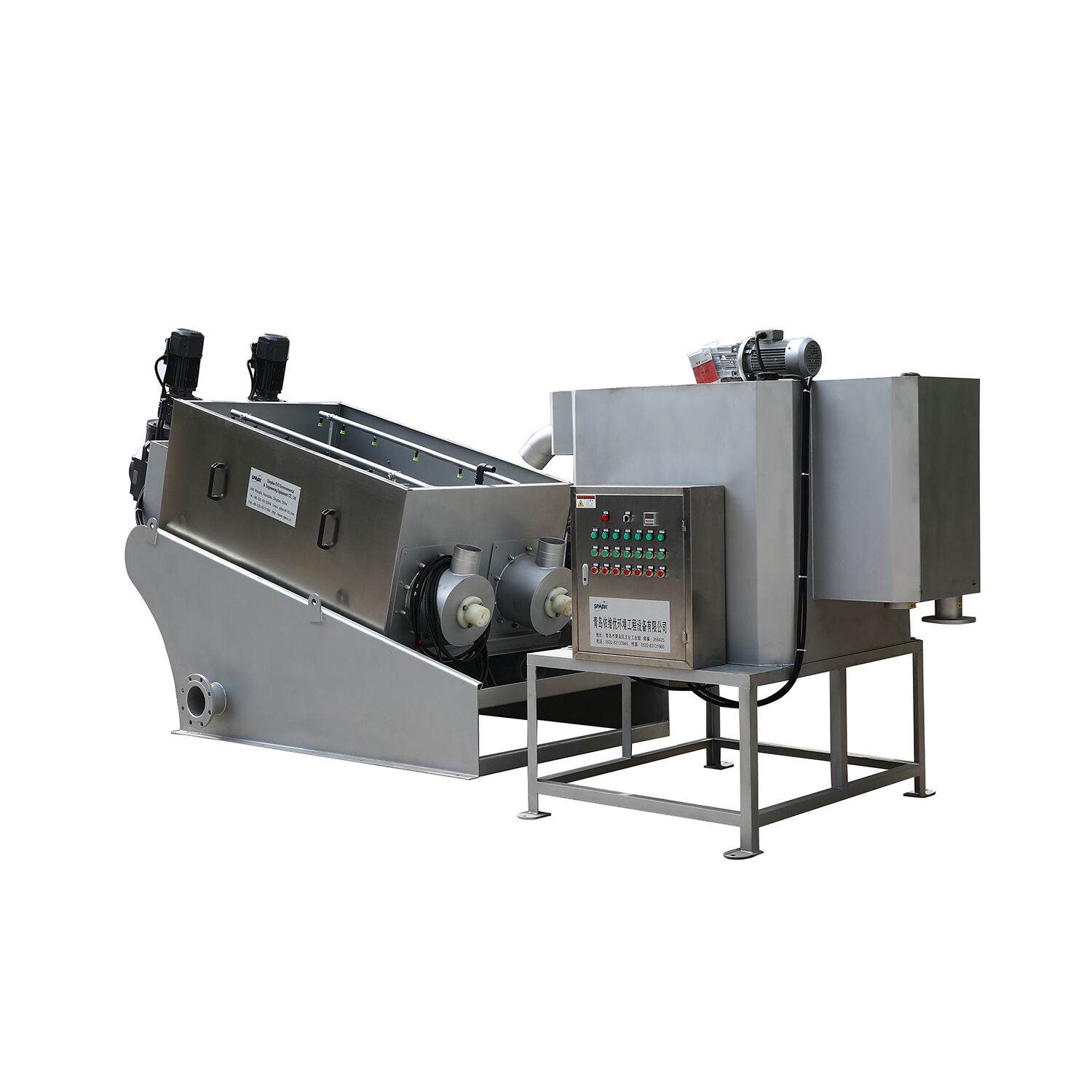
The Evolution and Core Capabilities of Automated Sludge Dewatering Machines
From manual labor to integrated smart control: Key milestones in sludge dewatering machine automation
Moving away from old school sludge management methods toward automation has really changed things in terms of getting work done faster. Back in the day, operators had their hands full constantly adjusting belts, measuring out polymers, and keeping tabs on solid content levels throughout the dewatering process. These tasks were prone to mistakes and inconsistencies because they relied so much on human judgment. Today's technology brings in those fancy programmable logic controllers or PLCs as they're called, cutting down on the need for hands-on work by about 40 percent according to some industry reports from last year. What this means is fewer errors, better results, and ultimately a lot less headache for plant staff trying to keep everything running smoothly.
- Mechanical automation (1990s): Pressure sensors enabled automatic belt tensioning
- Process control (2000s): Closed-loop systems introduced real-time polymer dosing adjustments
- Smart integration (2010s–present): IoT-enabled predictive analytics now optimize feed-rate, torque, and cake dryness in response to influent variability
SCADA, PLCs, and real-time feedback loops – how modern sludge dewatering machines self-optimize
Supervisory Control and Data Acquisition (SCADA) systems serve as the central nervous system of today's sludge dewatering machines. Integrated with PLCs, they continuously process data from viscosity sensors, torque meters, and microwave-based moisture analyzers. When cake moisture exceeds preset thresholds, the system autonomously:
- Adjusts centrifuge G-force or filter press pressure
- Modifies polymer injection rates within ±2% accuracy
- Calibrates conveyor speeds to sustain optimal solids capture
This closed-loop responsiveness maintains consistent cake dryness at 78–82%, a 30% improvement over manual operations (Journal of Environmental Engineering, 2023). Crucially, the system shifts from reactive correction to proactive adaptation—anticipating changes in sludge characteristics before performance drifts occur.
Performance Gains: How Automation Optimizes Sludge Dewatering Machine Efficiency
Closed-loop polymer dosing and moisture control for consistent cake dryness
Today's sludge dewatering equipment incorporates microwave technology for moisture analysis, allowing operators to track cake dryness as it happens. The system sends this information directly to polymer dosing mechanisms that automatically tweak chemical inputs according to real-time solids measurements rather than relying on old lab reports. Plants using this approach typically see around a 15 to 20 percent reduction in polymer usage while keeping cake solids consistently over 25%. What makes this system so valuable? It takes all the guesswork out of the equation for plant staff. Even when dealing with sludge that varies in thickness from day to day, the process remains stable and consistent. Facilities report about 30% fewer operational problems compared to traditional methods. In practice, this means wastewater treatment plants get reliable results every time they run the system, spend less money on chemicals, and have far fewer headaches when something goes wrong during the dewatering process.
Energy savings via automated torque, speed, and feed-rate regulation in sludge dewatering machines
Sensors for power monitoring along with variable frequency drives (VFDs) help manage energy smarter in wastewater plants. When these systems adjust things like centrifuge torque, conveyor speeds, and feed rates based on what's actually happening right now, modern sludge dewatering equipment can save around 18 to 25 percent compared to older fixed speed models. The VFDs really shine during times when there aren't many solids coming through. They just slow down the motors so they're matching whatever demand exists at the moment instead of letting them run unnecessarily. Plus, built-in overload protection keeps the machinery from getting damaged under heavy loads. All these little adjustments together mean lower operating expenses for sludge processing while making it easier for treatment facilities to meet their green targets too.
Real-Time Intelligence: Smart Sensors and IoT Integration in Sludge Dewatering Machines
Continuous monitoring of moisture, viscosity, and solids concentration – enabling adaptive process control
Putting IoT sensors right into the mix gives us ongoing measurements of things like moisture levels, how runny or thick the sludge gets, and just how much solid stuff is actually there. What used to be just sitting around now becomes something that responds to what's happening in real time. Take when those viscosity sensors pick up that the sludge has gotten thicker than normal. The system automatically cranks up the pressure for dewatering so we keep getting decent cake dryness while still capturing over 25% of those solids. Behind the scenes, machine learning looks at all sorts of past data along with what's happening right now to spot problems before they mess up production. This smart approach not only makes everything more reliable but also cuts down on polymer usage somewhere around 18% and saves about 15% on yearly energy costs. The whole system adapts itself as conditions change in the influent stream, which means operators don't have to constantly tweak settings manually anymore.
Sustainability and Compliance Advantages Enabled by Automated Sludge Dewatering Machines
The automated systems for sludge dewatering really help improve how we take care of our environment and meet those tough regulations. These machines adjust how hard they work at removing water depending on what's actually in the sludge at any given moment. As a result, they cut down leftover moisture content anywhere between 60% and almost all of it, which means less stuff to throw away and fewer trucks needed to haul everything around. This kind of accuracy helps plants stay within all those strict rules from places like SEPA and their ISO 14001 certifications because there's less chance of messy runoff and everything stays compliant when things get discharged. Plus, companies typically save around 20% to maybe even 35% on their waste handling bills. What makes these systems special is their ability to create closed loops where resources can be recovered again and again. About 85% of the water used during processing gets cleaned up and reused later on, while smart dosing tech stops people from wasting too much polymer. All these features turn what was once just another headache for compliance officers into something valuable that fits nicely into green infrastructure plans.
Predictive Maintenance and Future-Proofing Your Sludge Dewatering Machine
AI-driven diagnostics reducing unplanned downtime and extending sludge dewatering machine service life
Smart diagnostic systems powered by artificial intelligence look at all sorts of live data from sensors including vibrations, changes in hydraulic pressure, and variations in motor current to spot when parts might start failing several weeks before it actually happens. What this means is that instead of sticking to fixed maintenance schedules or waiting until something breaks down, technicians can plan repairs during regular shutdown periods which cuts unexpected stoppages by around 30 percent according to industry reports. The AI keeps getting better too because these systems learn from what's happened at each specific plant location over time. When strange readings pop up, the technology automatically tweaks things like torque settings or feed rates to reduce strain on machinery while sending alerts to operators through central monitoring screens. Equipment tends to last between 20 to 40 percent longer with this approach, companies spend less money on maintenance overall, and sludge dewatering processes become much more self-sufficient requiring fewer people to watch over them constantly while still maintaining good performance levels most of the time.
FAQ
What are the main advantages of automated sludge dewatering machines?
Automated sludge dewatering machines offer several advantages like reduced manual error, consistent cake dryness, energy savings, improved regulatory compliance, and predictive maintenance capabilities.
How does IoT integration benefit sludge dewatering?
IoT integration enables real-time monitoring and adaptive process control, optimizing performance and reducing polymer usage and energy costs.
Why is predictive maintenance important for sludge dewatering systems?
Predictive maintenance helps in forecasting equipment failures, reducing unplanned downtime, extending machine lifespan, and improving efficiency.
Table of Contents
- The Evolution and Core Capabilities of Automated Sludge Dewatering Machines
- Performance Gains: How Automation Optimizes Sludge Dewatering Machine Efficiency
- Real-Time Intelligence: Smart Sensors and IoT Integration in Sludge Dewatering Machines
- Sustainability and Compliance Advantages Enabled by Automated Sludge Dewatering Machines
- Predictive Maintenance and Future-Proofing Your Sludge Dewatering Machine
- FAQ