 EN
EN

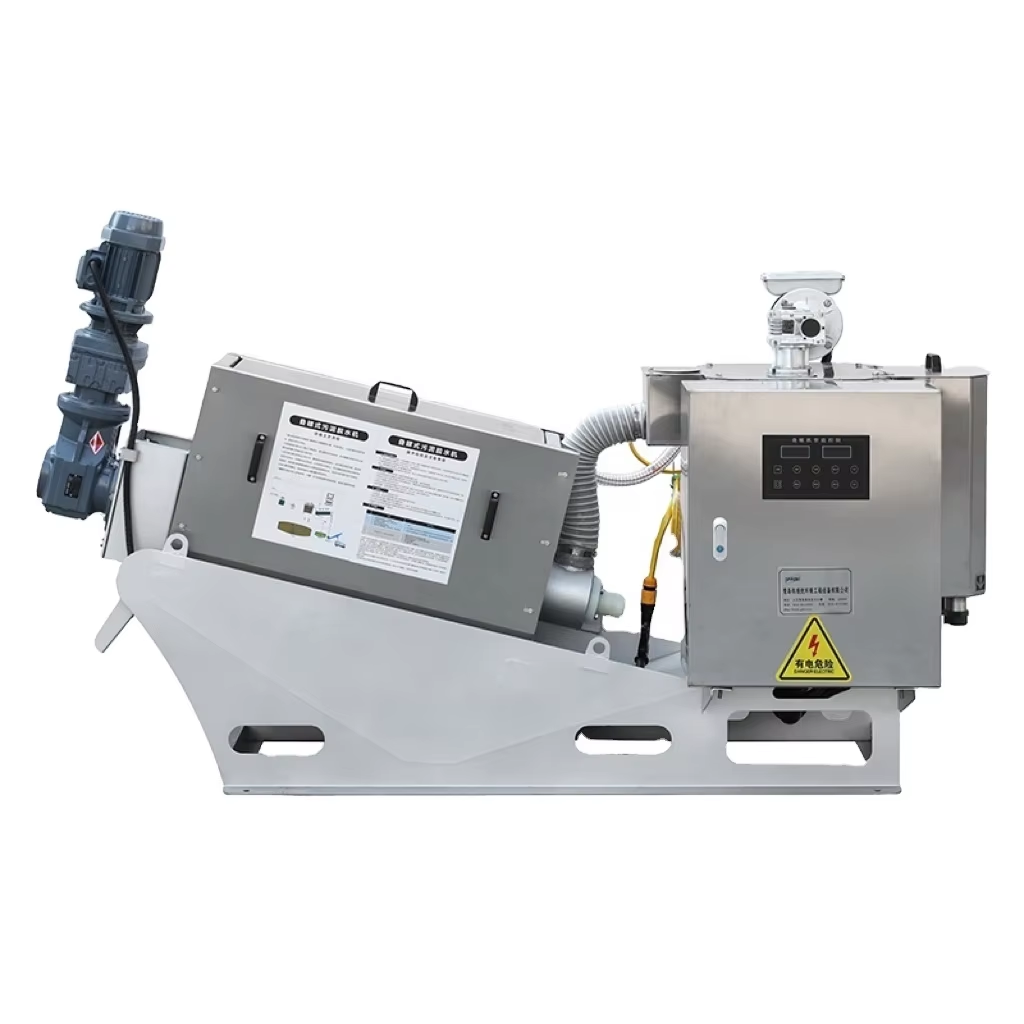
Assess Sludge Characteristics to Align with Machine Capabilities
Solids content, organic load, abrasiveness, and particle size distribution: How they dictate sludge dewatering machine suitability
What kind of sludge we're dealing with makes all the difference when picking the right dewatering tech. Sludge that's packed with solids over 20% dry weight usually needs heavy duty screw presses to handle it properly. On the flip side, those runny slurries with less than 2% solids work much better with belt filter presses that have those long gravity drainage areas. The presence of abrasive stuff like sand becomes a real problem too. When sand concentrations hit around 15%, centrifuges start wearing down faster according to research papers on separation efficiency. Some studies show wear rates can jump as much as 34%. Particle sizes matter just as much. Materials where most particles are under 25 microns hold onto water really stubbornly, making geotextile tubes struggle but working pretty well with filter aided screw presses. And watch out for organic content - anything over 30,000 mg/L COD tends to wash away polymers during processing, so pre thickening becomes necessary. All these factors together create what experienced operators call the baseline for figuring out which equipment will actually work in practice.
Why chemical conditioning response varies—impact on belt press, centrifuge, screw press, and geotextile tube efficiency
The effectiveness of chemical conditioning really depends on which dewatering technology gets used since each has different mechanical characteristics. Belt presses typically reach around 25 to 28 percent dryness when cationic polymers are applied, though they tend to lose about fifteen percent efficiency if the conditioning isn't quite right. Centrifuges need very careful dosing of anionic polymers. Just going over by half a percent can actually boost scum formation risks by forty percent in those municipal wastewater situations. Screw presses handle wider ranges of polymer dosages better than most while still producing consistent results between twenty two and twenty five percent solids content. Geotextile tubes don't work so well with thick or badly flocculated sludge materials, so operators usually end up adding extra flocculants just to get the cake strength where it needs to be. Since sludge chemistry interacts differently with polymers at every location, running some pilot tests makes all the difference when choosing the best technology for any particular situation.
Evaluate Site-Specific Operational Constraints
Throughput requirements, spatial footprint, power supply, and mobility needs across municipal, industrial, and remote installations
Matching daily sludge volumes to machine capacity remains essential for proper operation. Municipal treatment facilities typically deal with over 10,000 gallons each day, but industrial operations or emergency response teams often face unpredictable flow rates that come and go. Space considerations play a major role in equipment selection. Centrifuge units need solid concrete foundations and plenty of room around them for routine maintenance work. Containerized screw press models however can fit inside regular shipping containers, which makes them perfect for tight spaces in cities or older facilities needing upgrades. Power requirements matter too. The big centrifuges pull between 10 and 25 kilowatts of electricity, while belt presses run on 3 to 10 kW and screw presses manage with just 3 to 7 kW. For locations where power is scarce, geotextile tube systems stand out since they only need less than 1 kW and work great with small portable generators. This makes them especially useful during emergencies or in remote areas. When it comes to moving equipment around, trailer mounted geotextile systems allow quick relocation when needed, whereas modular screw presses provide flexible transport options without relying on existing infrastructure.
| Machine Type | Space Requirements | Power Consumption | Mobility |
|---|---|---|---|
| Centrifuge | High (reinforced pad) | 10–25 kW | Limited |
| Belt Filter Press | Moderate | 3–10 kW | Semi-modular |
| Screw Press | Low | 3–7 kW | Containerized options |
| Geotextile Tubes | Variable | <1 kW | Trailer-mounted |
Automation readiness, operator expertise, and SCADA/PLC integration compatibility by sludge dewatering machine type
The integration capabilities and staffing needs really depend on what equipment is being used. Take modern centrifuges for instance they work great with SCADA systems but need trained professionals to run them. The Water Environment Federation reports training costs around $2,500 per person which adds up fast. Automated screw presses tell a different story though. These machines have those easy to use touchscreens and automatically adjust their settings so less experienced workers can handle them. Belt presses are another matter entirely. They need constant attention from knowledgeable staff otherwise mistakes happen pretty often about 30% more errors when people aren't properly trained because getting the belt tightness right, adding the right amount of polymer, and managing water pressure all matter a lot. Geotextile tubes sit at the other end of the spectrum requiring almost no automation whatsoever making them perfect for places that don't have many employees or only operate seasonally. For facilities struggling to find enough qualified operators, investing in IoT enabled equipment makes sense. McKinsey found these smart systems reduce unexpected downtime by nearly 20%. So even when hiring freezes hit, operations stay running smoothly without needing to bring on extra staff.
Compare Sludge Dewatering Machine Technologies Head-to-Head
Moisture reduction performance (DS %), cake quality, chemical dependency, and maintenance intensity: Belt filter vs. centrifuge vs. screw press vs. plate-and-frame
Picking the right dewatering tech means looking at several factors when evaluating these four main systems. Centrifuges can get around 25 to 35 percent dry solids without needing much chemicals, but they guzzle electricity at rates between 150 and 200 kilowatt hours per ton and need special attention during maintenance checks. Belt presses offer slightly less solid content, about 15 to 25 percent, while costing less in energy bills. However, they rely heavily on those expensive polymer conditioners and belts tend to wear out pretty fast from all that friction. Screw presses strike a nice middle ground though, delivering roughly 20 to 30 percent dryness with reasonable chemical requirements and easier mechanical maintenance overall. That makes them a good fit for many mid sized towns or smaller treatment plants scattered across different locations. Plate and frame systems create the best quality cake products with moisture levels reaching 30 to 45 percent dry solids. This matters a lot when dealing with dangerous materials or precious industrial waste streams. The downside? These systems take serious manual work for regular plate cleaning, replacing worn membranes, and managing each processing cycle properly.
| Parameter | Belt Filter Press | Centrifuge | Screw Press | Plate-and-Frame |
|---|---|---|---|---|
| DS % Range | 15–25% | 25–35% | 20–30% | 30–45% |
| Chemical Needs | High | Low | Moderate | Variable |
| Maintenance | Frequent | Technical | Moderate | Intensive |
| Energy Use | Low | Very High | Low–Moderate | Moderate |
Looking at actual operations shows there's a clear pattern worth noting: when DS goes up by about 5%, maintenance expenses jump somewhere between 18 to 22 percent for pretty much every technology out there. Cities that care most about keeping costs down over time and wanting things to run smoothly often find screw presses hit that sweet spot they're looking for. Now industrial facilities needing to grab as many solids as possible from their waste streams, like those in metal finishing shops or places making pharmaceutical products, might still go with plate and frame systems despite the extra work involved. But this makes sense only if they have enough engineers on staff and proper budget allocations to handle the increased demands these systems place on operations.
FAQ
What factors should be considered when choosing a sludge dewatering machine?
Key factors include the sludge type, solids content, abrasiveness, particle size distribution, power requirements, site-specific constraints, and chemical conditioning response.
Why does chemical conditioning response vary with different dewatering technologies?
The chemical conditioning response varies due to the different mechanical characteristics each dewatering technology possesses, such as belt presses, centrifuges, screw presses, and geotextile tubes.
How do site-specific constraints affect sludge dewatering machine selection?
Site-specific constraints like throughput requirements, spatial footprint, power supply, and mobility needs play a significant role in determining the most suitable dewatering machine for a particular location.
What is the impact of automation and operator expertise on sludge dewatering machines?
Automation readiness and the level of operator expertise required to run sludge dewatering machines significantly affect operations. Modern centrifuges, screw presses, and IoT-enabled equipment can help reduce downtime and lessen the need for extra staff.
How does energy use differ among various sludge dewatering technologies?
Energy use varies with the technology in question. For example, centrifuges tend to have very high energy consumption, whereas screw presses and belt filter presses use low to moderate power levels.
Table of Contents
- Assess Sludge Characteristics to Align with Machine Capabilities
- Evaluate Site-Specific Operational Constraints
- Compare Sludge Dewatering Machine Technologies Head-to-Head
-
FAQ
- What factors should be considered when choosing a sludge dewatering machine?
- Why does chemical conditioning response vary with different dewatering technologies?
- How do site-specific constraints affect sludge dewatering machine selection?
- What is the impact of automation and operator expertise on sludge dewatering machines?
- How does energy use differ among various sludge dewatering technologies?