 EN
EN

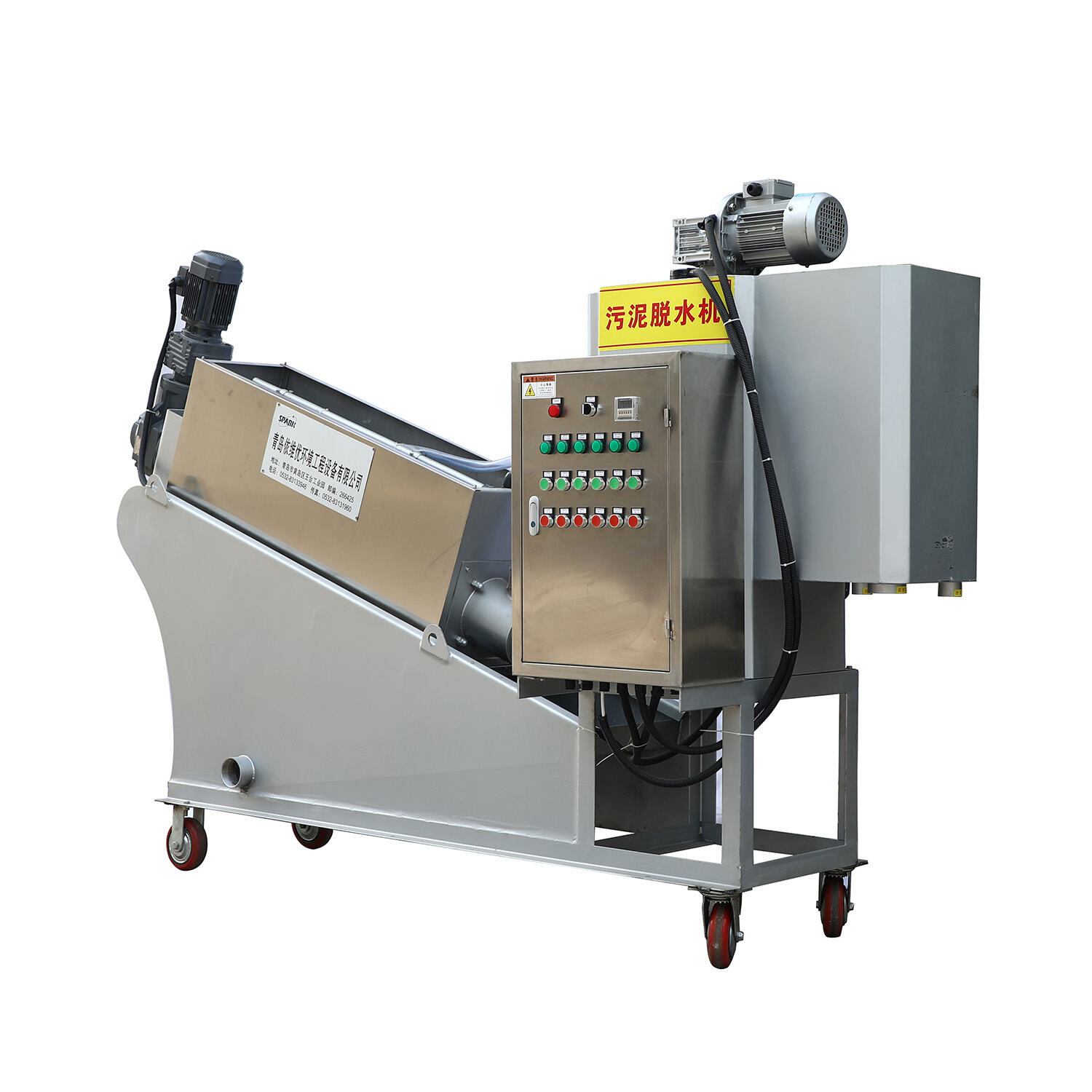
Sludge Dewatering Machines: Realizing Substantial Volume Reduction and Lower Transportation Costs
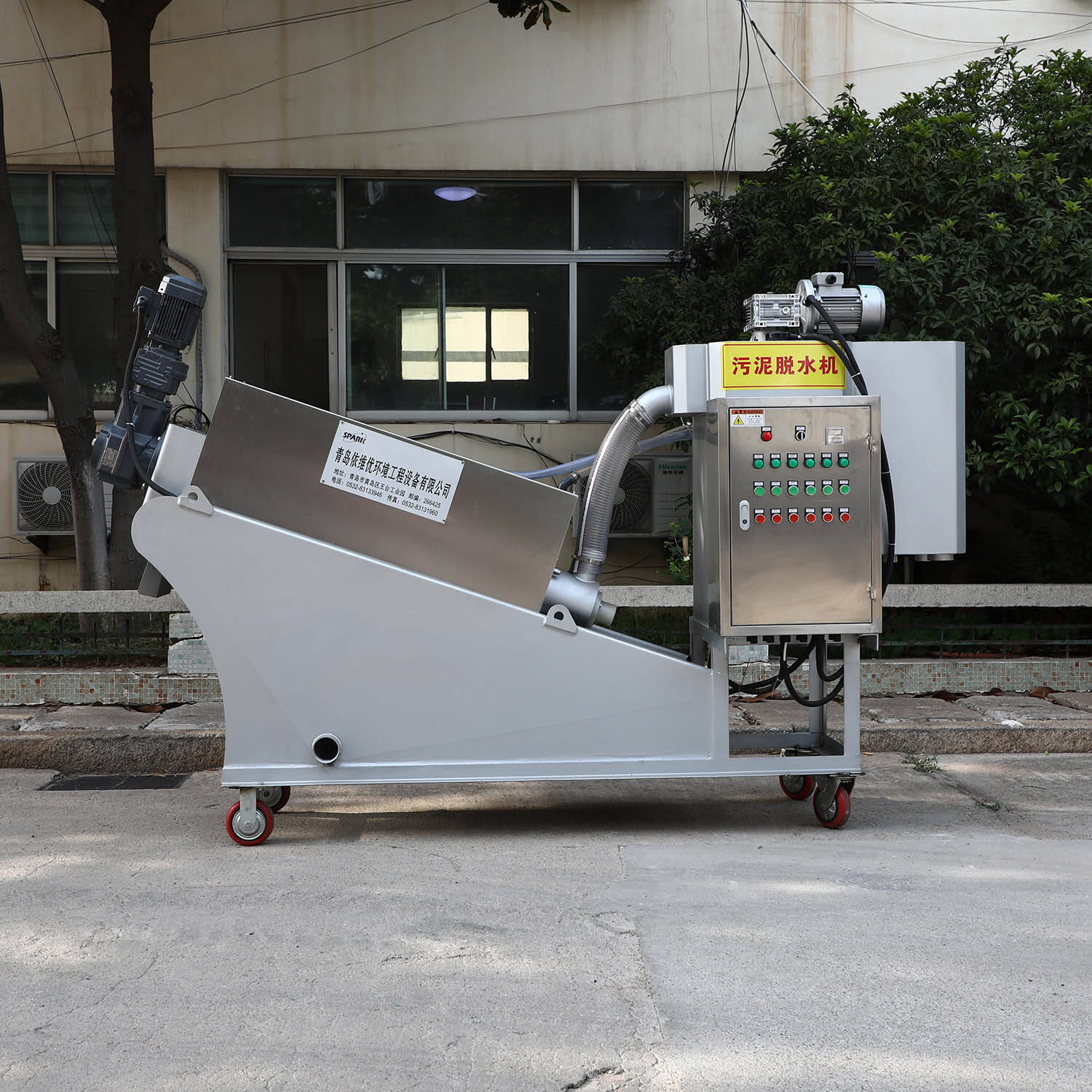
How Sludge Dewatering Machines Cut Moisture Content from ~97% to <80%
Sludge dewatering equipment can bring down the moisture level in raw sludge from around 97% down to below 80%, which means roughly cutting the volume by four to five times. When sludge gets this concentrated, facilities need to dispose of it less often, saving money on trucks and fuel costs for transportation. Plants that implement mechanical dewatering methods typically see between 70% and 90% reduction in total sludge mass. Plus, these systems recover valuable process water that can be reused elsewhere in operations. Many wastewater treatment centers find this approach pays off economically while helping them meet sustainability goals through better resource management practices.
The Role of Centrifugal Force and Polymer Conditioning in Efficient Dewatering
The spinning action of centrifugal force quickly pulls free water away from solid material, and when combined with polymer conditioning that essentially cancels out the negative charges on tiny particles, it helps create strong, stable flocs. These two processes working together can actually improve how well water gets removed compared to just letting things settle under gravity alone, sometimes making a difference of around 40%. Choosing the right type of polymer makes all the difference too. Good selections result in cake materials that stick together nicely without being gooey, typically containing about 18 to 25% dry solids. This level meets what landfills require for acceptance and also means less mess builds up on conveyor belts and truck beds during transport operations.
Real-World Impact: Belt Press Unit Reduces Haulage Needs by 65% at Shandong Municipal Plant
The wastewater treatment facility in Shandong saw remarkable results after installing a belt press system. Annual sludge removal dropped dramatically from around 12,000 tons down to just over 4,200 tons, which is roughly a two thirds reduction. This meant no need for those 380 yearly truckloads anymore, cutting transportation costs by about $220k annually and giving local landfills some breathing room when it comes to space issues. What's impressive too is how consistently this equipment works - the resulting sludge cake typically stays within 78 to 82 percent moisture levels. That meets all requirements set out in China's CJJ/T 221-2015 guidelines for handling city sludge, so there aren't any regulatory headaches either.
Improved Regulatory Compliance Through Consistent Sludge Cake Quality
Meeting Stringent Global Standards: EU Landfill Directive and China’s CJJ/T 221-2015
Keeping sludge cake moisture below 80% consistently helps facilities stay within most regulatory requirements. Take the EU Landfill Directive from 1999 (number 1999/31/EC) as one example—it basically bans dumping biodegradable waste in landfills. Then there's China's CJJ/T 221-2015 standard that specifies exactly how dry the material needs to be before it can safely go back into agriculture. Plants that don't meet these benchmarks often end up paying steep fines. According to recent data from the U.S. Environmental Protection Agency, non-compliant operations typically shell out around $740k every year in penalties alone. Good dewatering systems cut down on the unpredictable factors that lead to failed tests and unwanted visits from regulators checking compliance status.
Achieving 25% Solids Recovery for Reliable Disposal Pathway Selection
When waste reaches over 25% dry solids content, it opens up several disposal options that save money while being practical. Thermal treatment can actually generate energy from the material. The stuff is safe enough for land application according to agricultural standards too. And best of all, landfills take in about 40% less volume per metric ton compared to lower concentration waste. This kind of consistency means plant managers don't have to keep jumping through regulatory hoops every time they want to change their approach. According to recent studies by Water Research Foundation from last year, facilities that use proper dewatering techniques experience around 92% fewer problems with regulations compared to plants still using old fashioned or manual methods.
Boosted Operational Efficiency with Automated Sludge Dewatering Machine Integration
Labor Savings: Fewer Man-Hours per Ton of Processed Sludge
When it comes to automated dewatering systems, they really do slash labor requirements somewhere around 40 to maybe even 60 percent for each ton of sludge going through the process. These systems take care of all those tedious tasks like adjusting feeds manually, handling the cake material, and doing constant cleanups that used to eat up so much time. With everything running smoother now, workers can actually spend their time on what matters most: keeping equipment well maintained and watching over operations, which makes workplaces safer overall while getting more done throughout the day. Plus, these machines handle materials faster and produce consistent results, meaning facilities can process more waste every single day without having to worry about the final product quality dropping off.
Smart Monitoring: IoT-Enabled Remote Diagnostics in Modern Facilities
Today's dewatering systems come equipped with IoT sensors that track things like torque levels, pressure readings, how much polymer gets dosed, and what the solids content looks like in real time. All this information goes straight to central dashboards where operators can see everything at once. When something starts going wrong, predictive alerts pop up showing early warning signs of worn belts, imbalanced polymer mixtures, or changes in feed rates. A recent study from a municipal facility back in 2023 showed these alerts helped cut down unexpected shutdowns by around 30%. Plus, remote diagnostics mean equipment lasts longer between repairs while inspections happen less often. This helps maintain steady operation no matter what shift it is or which season we're in.
Long-Term Cost Savings via Sludge Dewatering Machine Durability and Low Maintenance
Sludge dewatering systems that are built to last offer real value over time because they're designed to withstand wear and tear while keeping maintenance simple. The stainless steel bodies and parts made to resist abrasion mean fewer breakdowns, even when these machines run nonstop at city wastewater plants. Many modern units come with automatic polymer feeders and cleaning mechanisms that cut down on wasted chemicals and clogged machinery. This means plant managers can check in every three months instead of having to deal with monthly fixes. Sure, the initial price tag sits somewhere between 300k and 800k dollars, but for treatment centers handling more than 10 tons per day, the savings add up fast. Facilities report cutting their overall costs by around 30 to 50 percent after just a decade of operation compared to older manual systems. What looks like a big investment upfront actually pays off handsomely in the long run.
FAQ
What are the main benefits of sludge dewatering machines?
Sludge dewatering machines significantly reduce sludge volume and moisture content, leading to lower transportation costs. They also improve regulatory compliance, operational efficiency, and provide long-term cost savings.
How do sludge dewatering machines meet regulatory standards?
By consistently keeping sludge cake moisture below 80%, facilities can comply with regulations like the EU Landfill Directive and China's CJJ/T 221-2015. This avoids fines and facilitates safe disposal options.
What impact does automated sludge dewatering have on labor?
Automated dewatering systems reduce man-hours by 40-60% per ton of processed sludge, allowing workers to focus on maintenance and oversight, enhancing workplace safety and efficiency.
Are sludge dewatering machines a cost-effective investment?
Despite a high initial cost, sludge dewatering machines provide substantial long-term savings by reducing maintenance needs and cutting overall operational costs by around 30-50% after a decade.
Table of Contents
- Sludge Dewatering Machines: Realizing Substantial Volume Reduction and Lower Transportation Costs
- Improved Regulatory Compliance Through Consistent Sludge Cake Quality
- Boosted Operational Efficiency with Automated Sludge Dewatering Machine Integration
- Long-Term Cost Savings via Sludge Dewatering Machine Durability and Low Maintenance
- FAQ