 EN
EN

What Is a Sludge Dewatering Machine? Core Definition and Industrial Purpose
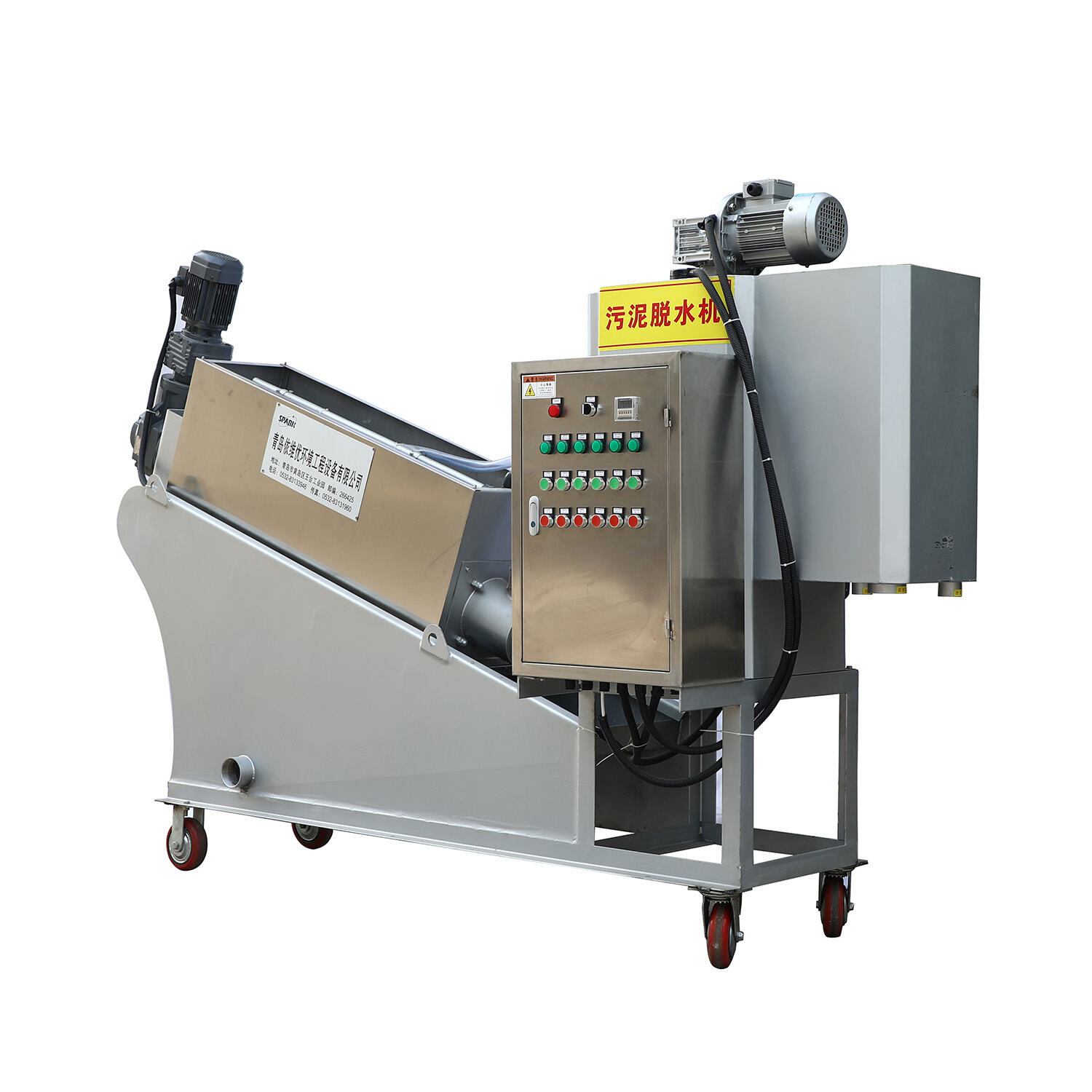
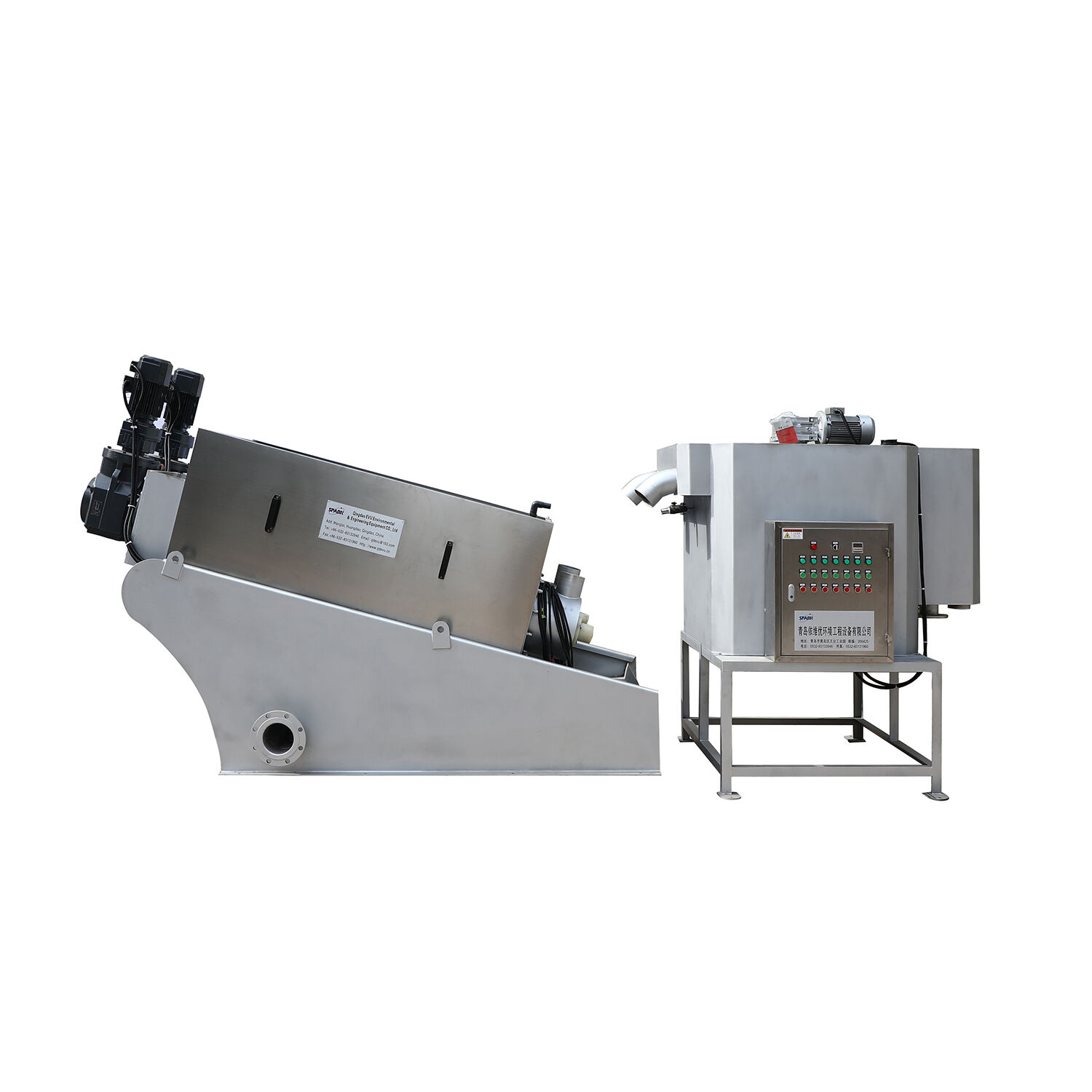
Sludge dewatering machines are basically big mechanical devices that take all that wet, messy sludge from factories or cities and squeeze out most of the water. What comes out at the end isn't just dry anymore either it becomes this kind of semi-solid cake stuff that's much easier to handle. The machines work by applying different kinds of force pressure from plates, gravity pulling things down, filters catching particles, sometimes even spinning around really fast to fling water away. Most facilities report cutting down on their sludge volume somewhere between 70% to almost 90%, which makes a huge difference when it comes time to get rid of it. Less water means cheaper transport, smaller landfills needed, and actually opens up possibilities for recycling parts of the sludge back into production processes instead of just throwing everything away.
Sludge dewatering plays a major role in industrial operations for several reasons worth noting. For starters, it really brings down transportation costs. When plants haul dewatered sludge instead of liquid waste, they're looking at savings between 60 to 80 percent because the material weighs so much less and takes up far less space in transport trucks. Then there's the whole issue of meeting landfill rules. Most landfills won't accept sludge unless it has under 25% moisture content, which makes proper dewatering absolutely necessary for legal disposal. And finally, we get to resource recovery possibilities. Dewatered biosolids aren't just waste anymore they actually have value. Farmers use them as fertilizer in many regions, while some facilities burn them to generate heat energy. Plants that skip effective dewatering processes end up paying through the nose for disposal and risk running afoul of regulators, particularly as cities around the world deal with increasing amounts of wastewater. What was once seen as a costly hassle is now turning into something that actually contributes positively to both bottom lines and environmental goals.
How Does a Sludge Dewatering Machine Work? Key Mechanical Separation Principles
Pressure, shear, and centrifugal force: The three physical drivers of solid-liquid separation
There are basically three main ways that sludge dewatering machines work to separate solids from liquid. Let's start with pressure based systems such as filter presses. These machines basically squeeze the sludge between stiff metal plates. As they press down, water gets pushed through those filter cloths, leaving behind a thick cake of solids. Then we have belt presses which work differently. They use big rollers to compress the sludge sandwiched between moving belts. The squeezing action forces out all that excess water mechanically. For centrifuges though, it's all about spinning really fast. When sludge spins inside these machines at high speed, the heavier particles get thrown against the walls of the bowl while cleaner water stays closer to the middle. Each type works better for certain kinds of sludge too. Filter presses tend to produce the driest results with around 20 to 45 percent solids content. Centrifuges handle large volumes continuously without stopping. Belt presses fall somewhere in between, giving decent dryness levels while still maintaining good production rates and not guzzling too much power.
Role of flocculation and conditioning in optimizing sludge dewatering machine performance
Getting sludge ready for mechanical dewatering really comes down to chemical conditioning, especially when using polymer based flocculation techniques. What these flocculants do is basically glue together those tiny colloidal particles into bigger, more stable flocs which makes everything drain better and compress more effectively during the dewatering process. Good conditioning work means less moisture left in the final cake product, captures more solids overall, and keeps things consistent even when feed streams vary from day to day. Finding the right dose isn't just about numbers though. Sludge properties matter a lot too - things like how much organic material there is, what sizes the particles come in, and where the pH stands all play their part. Getting this right impacts not only how dry that cake ends up being but also has serious implications for operational costs. Proper application can cut disposal expenses anywhere between 15% to maybe even 30%, mainly because it cuts down on transportation weights and saves money at landfills. Plus, systems tend to run smoother across different technologies. Centrifuges process faster and belt presses maintain more stable drainage rates when we get the conditioning right.
Sludge Dewatering Machine Types Compared: Selecting the Right Technology for Your Application
Choosing the optimal sludge dewatering machine directly influences operational efficiency, lifecycle cost, and long-term sustainability. Key technologies differ significantly in dryness output, automation level, footprint, and suitability for specific sludge types.
Plate-and-frame filter press vs. belt press: Dryness, cycle time, and footprint trade-offs
When it comes to achieving really dry filter cakes, nothing beats plate and frame filter presses, which typically get around 30 to 45 percent solids content. But there's a catch these units work in batches and require operators to manually separate plates, remove the cake material, and clean the cloths after each run. These machines also take up considerable factory floor space and have long processing cycles, so they make sense primarily when the need for super dry output outweighs the costs of extra labor and real estate. Belt presses offer a different approach altogether. They run continuously without interruption, occupy much less space, and process materials at a faster rate. On the downside though, belt presses usually leave behind wetter cakes with only about 15 to 25 percent solids content, plus they tend to eat through more polymer chemicals during treatment of each ton of sludge.
Centrifuge and stacked screw systems: Continuous operation, automation, and sludge type compatibility
Centrifuges are pretty automated these days, requiring little hands-on work from operators while adapting well to different sludge thicknesses. The spinning action gives good dewatering results most of the time, though they do guzzle electricity and need regular maintenance checks. Stacked screw systems, sometimes called decanters, mix centrifugal force with screw press mechanics for continuous operation at lower power costs compared to standard centrifuges. These machines tackle tough sludges better than traditional belt or plate presses can manage, especially when dealing with fibrous material, oil residues, or sludge with low solid content. Operators typically see around 20 to 35 percent solids concentration after processing. What's interesting is that both options now work with remote monitoring setups and connect to modern plant control systems. This makes them more reliable overall and cuts down on how many staff members need to be onsite for routine operations.
Real-World Impact: Why Sludge Dewatering Machine Selection Affects Compliance, Cost, and Sustainability
Choosing the correct sludge dewatering equipment impacts everything from meeting regulations to bottom line costs and how green operations actually are. Plants that fail to stay within those tricky limits for things like TSS or BOD often end up paying steep penalties sometimes over $50k just for one mistake not to mention possible shutdowns which nobody wants. That's why getting the specs right matters so much. The machinery needs to fit what the local rules require plus work well with whatever kind of sludge comes out of that particular treatment process at each facility.
When it comes to money matters, the type of technology selected really affects how much cash needs to be spent upfront as well as what it will cost over time. Take centrifuges for instance they usually need an initial investment somewhere between three hundred thousand to eight hundred thousand dollars. But here's the catch they cut down on transportation costs by around thirty to forty percent because they produce much drier material. Filter presses sit in the middle when looking at first costs, but operators often find themselves spending more on regular maintenance and extra staff hours to keep them running smoothly. Belt presses start off cheaper than the others, no doubt about that, but watch out if the final product isn't dry enough according to regulations. That can lead to paying more for chemicals later on plus bigger bills from landfills, which tends to eat into savings pretty quickly.
From an environmental standpoint, advanced dewatering technology can reduce sludge volumes by about 75%. This means less stuff going into landfills, fewer trucks on the road emitting greenhouse gases, and significantly reduced need for fresh water resources. There's also potential for circular economy applications like applying Class A biosolids to agricultural land or extracting energy through thermal processes. When companies ignore these connections during equipment purchases, they often end up facing serious problems down the line. Compliance issues become persistent headaches, annual costs can balloon past $740k according to a recent Ponemon Institute study from 2023, and those pesky ESG goals get left behind too. Getting the right specs matters a lot here. The dryness capacity, what kind of feed material the machine can handle, and how automated it needs to be should all match up with the real characteristics of the sludge being processed. Doing this right balances everything out between regulatory requirements, operational expenses, and green initiatives while still keeping production moving smoothly and systems robust against unexpected challenges.
FAQ
What is the main purpose of a sludge dewatering machine?
A sludge dewatering machine is used to mechanically remove water from sludge, making it semi-solid and easier to handle. This reduction in moisture content helps reduce transportation costs and meet landfill regulations, while also opening up possibilities for resource recovery and recycling.
How do sludge dewatering machines work?
These machines use various physical forces such as pressure, shear, and centrifugal force to separate solids from liquids in the sludge. Machines like filter presses, belt presses, and centrifuges employ different methods to achieve dewatering based on the type and quality of sludge.
What are the factors to consider when selecting a sludge dewatering machine?
When selecting a sludge dewatering machine, factors such as the dryness output, automation level, footprint, sludge type compatibility, and total cost of ownership should be considered. Ensuring the machine meets regulatory requirements and aligns with operational goals is crucial.
Table of Contents
- What Is a Sludge Dewatering Machine? Core Definition and Industrial Purpose
- How Does a Sludge Dewatering Machine Work? Key Mechanical Separation Principles
- Sludge Dewatering Machine Types Compared: Selecting the Right Technology for Your Application
- Real-World Impact: Why Sludge Dewatering Machine Selection Affects Compliance, Cost, and Sustainability
- FAQ