 EN
EN

Energy-Saving Innovations in Air Floatation Machines
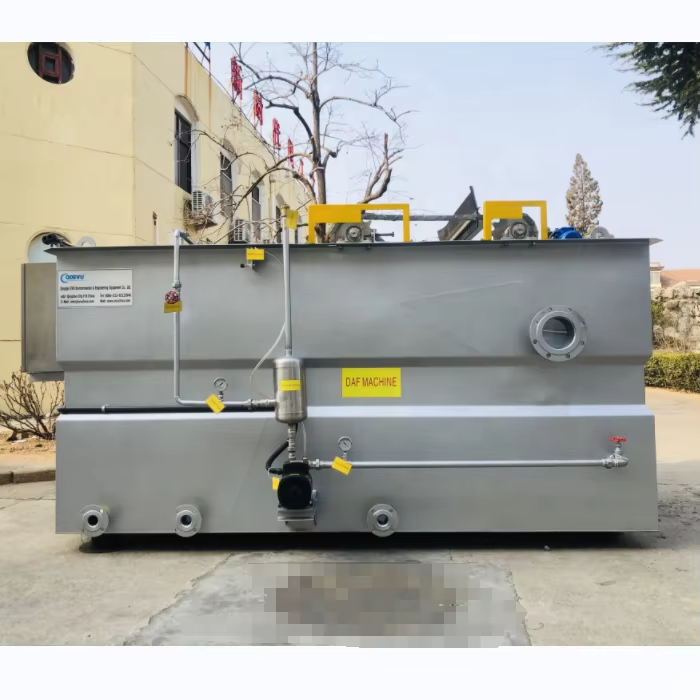
High-Efficiency Recirculation Pumps and Low-Pressure Saturation Design
Today's air floatation systems incorporate high efficiency recirculation pumps that cut down on power consumption around 30 to 40 percent compared to older models. These systems work alongside low pressure saturation designs that typically operate under 50 psi. When combined, this setup significantly reduces what compressors need to work through and brings down the energy required for creating those tiny bubbles by roughly a quarter, without messing up the ideal balance between air and solids. The nozzles are engineered with precision and tanks have been designed with specific shapes to maximize how well gases dissolve into the water. Plus, everything is built together so it runs quieter and needs less frequent maintenance over time, which translates into real money saved across the entire lifespan of the equipment.
Variable Frequency Drive (VFD) Integration with Measured kWh Reduction Data
Variable Frequency Drives, or VFDs for short, let operators adjust motor speeds in real time according to how much water is flowing in and what the system needs. This gets rid of all that wasted energy from motors running at full speed when they don't need to. Cities have seen their electricity bills drop between 18 to 22 percent after switching from old fixed-speed systems to ones with VFDs. When there's not so much water coming through the system, these drives can slow down the pumps while still keeping things clean. The turbidity levels stay under 5 NTU most of the time, even when conditions change throughout the day. For wastewater treatment plants dealing with unpredictable flows, this kind of flexibility makes a huge difference. Traditional setups just keep pumping away no matter what, wasting tons of electricity that could be saved with smarter control.
Automation for Adaptive Air Floatation Machine Operation
Closed-Loop Chemical Dosing Based on Real-Time Turbidity and Flow Feedback
Modern industrial air floatation systems have started automating how they dose coagulants by constantly monitoring turbidity levels and tracking water flow rates. Real world installations are showing somewhere between 15 to 28 percent less polymer usage compared to those old fixed dose methods. This improvement comes from a special patented algorithm that adjusts based on flow conditions. When flows drop off, it stops adding too much stuff, but still keeps separation efficiency above 95% even when there's sudden spikes in volume. Operators find themselves needing to step in only about 40% as often as before. This means less wasted chemicals and better consistent results from the treated water. Especially important for places like food processing plants and landfill leachate treatment facilities where changing loads used to cause all sorts of problems with regulatory compliance requirements.
Adaptive Control Logic for Variable Influent Loads
The PLC control system in modern air floatation units can automatically adjust air saturation levels and recycling rates when faced with changing solid loads in real time. At a facility in Qingdao, operators saw almost continuous operation (99.2% uptime) even during heavy storms that brought sudden increases in organic waste. The system boosted microbubble density just 90 seconds after detecting those turbidity spikes, something that was confirmed as effective by tests from China's National Engineering Research Center. These safety features stop the sludge blanket from collapsing altogether, which means facilities need to clean less often—about 60% fewer times per year—and they save around 18% on their annual electricity bills too.
Smart Monitoring and Predictive Maintenance for Air Floatation Machines
IoT-Enabled Sensor Fusion: DO, Pressure, Flow, and Microbubble Analytics
When IoT sensors track things like dissolved oxygen levels, system pressure, flow rates, and how those tiny bubbles spread out, they create a much fuller picture of what's going on in the system. This approach catches problems long before traditional single point monitoring would notice anything wrong. Take pressure spikes happening at the same time as weird bubble patterns for example. These signs often mean mechanical stress is building up somewhere in the system, even if nothing seems broken yet. Smart algorithms crunch all this data together and can predict when maintenance will be needed about 92 times out of 100 according to industry standards. That kind of foresight cuts down unexpected breakdowns by around 40%. The real time analysis lets operators tweak air to solids ratios and adjust recycling rates on the fly. Not only does this make the separation process work better, but it saves energy too. And regular checkups based on these insights tend to keep components running longer, adding about a quarter more life to them overall.
FAQ
What are the benefits of high-efficiency recirculation pumps?
High-efficiency recirculation pumps in air floatation machines reduce power consumption by 30 to 40 percent compared to older models, leading to reduced energy costs and quieter operation.
How does Variable Frequency Drive (VFD) technology save energy?
VFD technology allows operators to adjust motor speeds based on system demands, significantly reducing wasted energy and electricity costs.
Why is automation important in air floatation systems?
Automation with closed-loop chemical dosing and adaptive control logic ensures efficient operation, reduces chemical usage, and maintains consistent separation efficiency, even with variable influent loads.
How do IoT-enabled sensors improve maintenance practices?
IoT-enabled sensors offer comprehensive monitoring, predict maintenance needs, and prevent unexpected breakdowns by analyzing data on dissolved oxygen, pressure, flow rates, and microbubble analytics.