 EN
EN

Core Mechanism: How Air Floatation Machines Enable Rapid, High-Efficiency Separation
Bubble-solid adhesion physics and microbubble saturation dynamics
Air floatation systems create tiny bubbles around 30 to 50 micrometers in size, which helps get rid of contaminants more effectively. The smaller the bubbles, the better they stick to oily substances and other floating particles because of their increased surface area relative to volume. When these particles latch onto the bubbles, they rise much quicker than if they were just settling naturally under gravity. Some tests show impurities can float up about 20 times faster this way. For best results, operators need to dissolve air at roughly 90 to 110 percent of what's called saturation pressure. This creates thick clouds of stable bubbles that can grab even really small particles down to about 2 microns across. Industry experts consider this bubble formation stage absolutely critical for good performance. Research published in scientific journals backs this up, showing microbubble technology typically removes solid waste 25 to 40 percent better than regular bigger bubbles do in similar conditions.
Synergy between lamella flotation geometry and controlled aeration
Lamella plate stacks really boost separation efficiency because they increase the effective surface area by around 300%. This allows for much smaller tanks while still maintaining good throughput levels. Hydraulic loading rates can actually get as high as 15 cubic meters per square meter per hour. When those bubble-particle aggregates start moving upward, the sloped lamella channels direct the floating sludge towards the surface scrapers. At the same time, the clean water flows downward in the opposite direction. Newer systems now come with real time aeration controls that work based on influent turbidity readings from sensors. These adjustments happen automatically to keep the right balance between air and solids in the system. The whole setup cuts down on retention time to less than 20 minutes overall. Well designed dissolved air flotation units typically manage to remove over 95% of total suspended solids when everything is working properly.
Key Technological Advancements in Modern Air Floatation Machines
Precision microbubble generation for superior contaminant capture
Modern air floatation systems use carefully designed microbubbles measuring around 20 to 50 microns across to boost how particles stick together during treatment. The tiny size of these bubbles creates about three times more surface area compared to older models, which means they can grab those pesky sub-micron particles and oils that used to need extra filtering steps. Getting this right depends on setting the right pressure levels in the saturators (usually between 5 and 6 atmospheres) along with special nozzles that spread the bubbles evenly throughout the system. When everything works as intended, tests have shown these systems can remove over 95% of emulsified oils and other small particles from water, though results do vary depending on specific site conditions and maintenance practices.
Integrated coagulation-flocculation-aeration control systems
Modern wastewater treatment systems increasingly incorporate automatic chemical dosing alongside real time monitoring capabilities. Sensors tracking turbidity levels, pH readings, and water flow rates connect to control systems that tweak the amount of coagulants and flocculants being added on the fly. This setup typically cuts down on chemical consumption somewhere between 15% and 30%, all while keeping the treated water within required standards. The timing of air supply during treatment matches up with when flocs start forming, which helps create those solid clumps that float better. At a poultry processing plant in central Texas, operators saw their system stoppage issues drop by around 40% once they installed these kinds of automated controls. Real world results like this show just how much difference smart automation can make for day to day operations at treatment facilities across the country.
Energy-optimized blower and recirculation design reducing OPEX by up to 40%
Regenerative blowers working together with variable frequency drives (VFDs) lead to big savings in energy costs, cutting power usage around 30 to 40 percent compared to older fixed speed models. The smart recirculation system takes about 70% of the treated water and puts it back into the process for air saturation. This keeps things running efficiently without needing so much fresh water or extra heat energy. When we combine these improvements with low pressure nanobubble generators, companies see real reductions in their day to day expenses. This matters a lot for industries that run non stop since energy typically eats up about 60% of what they spend operating their facilities month after month.
- VFD-controlled blowers matching airflow to real-time demand
- Insulated saturators minimizing thermal losses
- Hybrid impeller designs reducing cavitation-induced wear
- Predictive maintenance sensors preventing unplanned downtime
Operational Optimization Strategies for Maximum Air Floatation Machine Performance
Getting the most out of air floatation machines requires careful attention to operational details. The key factor here is getting those microbubbles just right when it comes to saturation levels. Keeping an eye on the air-to-solid ratio makes all the difference for capturing contaminants effectively. Some studies show that properly tuned systems can boost efficiency by around 25%. Real time monitoring lets plant staff tweak things as conditions change throughout the day. They can adjust flow rates, pressure differences, and chemical doses based on what's coming into the system, which helps prevent problems like sludge carryover and keeps the separation process working well. Regular maintenance matters too. Checking those diffuser membranes, making sure skimmers are aligned correctly, and keeping those lamella channels clean reduces resistance in the system. This kind of upkeep actually saves money over time, cutting annual energy costs somewhere between 18% and 22%. Training operators to assess biosolids viscosity leads to better floc formation and more reliable removal results, something regulators definitely appreciate. Put all these practices together and plants typically see their operating costs drop by about 30 to 40 percent, all while maintaining solid performance above 90% total suspended solids removal.
Proven Industrial Results: High-FOG and High-TSS Wastewater Treatment with Air Floatation Machines
Food processing case study: Qingdao EVU’s compact Air Floatation Machine achieving 92% TSS and 88% FOG removal
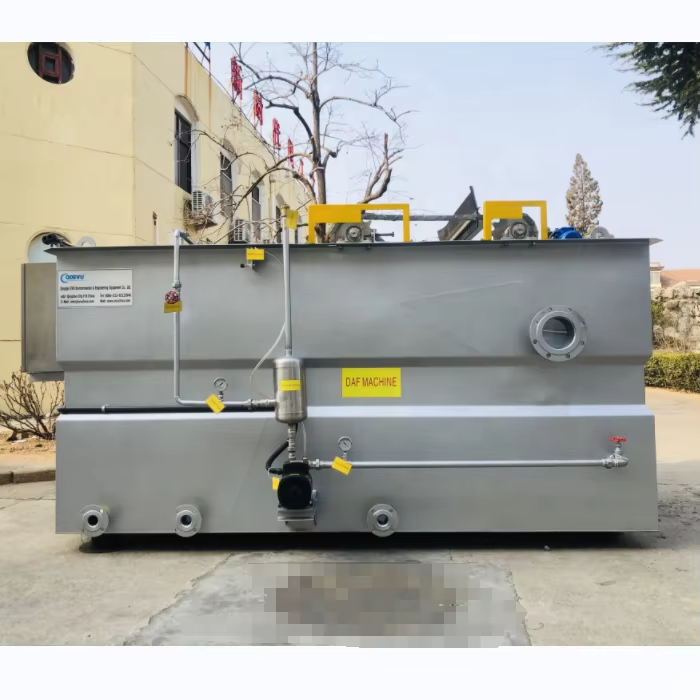
At a large food processing plant located in Qingdao, installation of a compact air flotation system produced outstanding results for treating high strength wastewater. The system managed to remove 92 percent of total suspended solids and took out 88 percent of fats, oils and greases from the waste stream. According to WaterWorld's 2023 report, these figures surpass the standard industry benchmarks which typically range between 70 to 85 percent using traditional methods. What made this system work so well? Three key components were crucial. First, they controlled those tiny bubbles down to just 30 to 50 microns in size. Second, the timing between flocculation and aeration was carefully coordinated. And third, the sludge thickening process happened automatically without manual intervention. This kind of performance proves that even when there isn't much room available, modern technology can still comply with strict environmental regulations while saving money too. Operators saw a 40 percent reduction in how much sludge needed disposal, plus they used significantly less coagulant chemicals during operation.
Frequently Asked Questions (FAQ)
What are air floatation machines used for?
Air floatation machines are primarily used for wastewater treatment, particularly in industrial facilities. They facilitate the rapid separation of contaminants by using microbubbles that attach to solid particles and oils.
How do microbubbles enhance the efficiency of air floatation machines?
Microbubbles, which are 20 to 50 microns in size, have a larger surface area relative to volume, making them ideal for adhering to and lifting contaminants from wastewater. This results in a faster and more efficient separation process.
What is the importance of lamella plate stacks in these systems?
Lamella plate stacks increase the effective surface area by approximately 300%, allowing for smaller treatment tanks while maintaining throughput. They also aid in directing the flow of sludge towards scrapers and clean water in downward channels.
How do modern air floatation systems optimize energy usage?
Modern systems employ regenerative blowers combined with variable frequency drives to match airflow to demand, reducing energy consumption by 30 to 40%. Additionally, recirculated treated water minimizes the need for fresh water and extra heat energy.
Can air floatation machines reduce operational costs?
Yes, air floatation machines can significantly reduce operational costs. Optimization strategies, such as real-time monitoring and regular maintenance, lead to consistent performance and a reduction in day-to-day expenses.
Table of Contents
- Core Mechanism: How Air Floatation Machines Enable Rapid, High-Efficiency Separation
- Key Technological Advancements in Modern Air Floatation Machines
- Operational Optimization Strategies for Maximum Air Floatation Machine Performance
- Proven Industrial Results: High-FOG and High-TSS Wastewater Treatment with Air Floatation Machines
- Frequently Asked Questions (FAQ)