 EN
EN

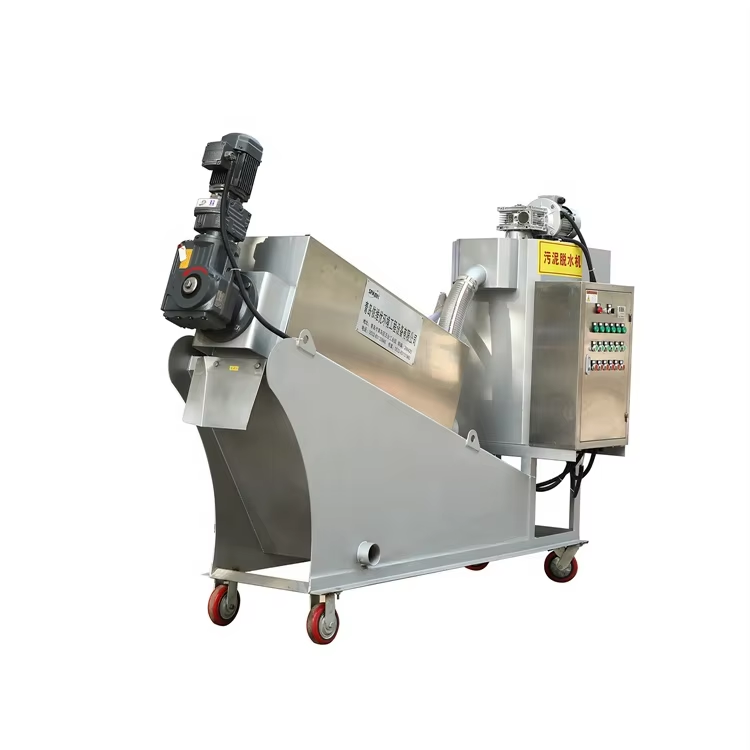
Core Mechanism of Sludge Dewatering Machines: Volume Reduction and Process Integration
Mechanical dewatering physics: centrifuge, filter press, and screw press principles driving solids concentration
There are basically three main ways mechanical sludge dewatering machines work to get rid of water and leave behind solid material. First up we have centrifuges which spin sludge at incredible speeds creating forces over 3,000 times gravity. This spinning action separates heavier particles from lighter ones based on their densities. Then there's the filter press approach where sludge gets squeezed between fabric covered plates using hydraulic pressure that can reach around 225 pounds per square inch. Water just flows right through the porous materials while solids stay trapped. Another common method involves screw presses with a special auger inside a cylinder. As this auger turns, it gradually applies more pressure against the sludge until all the free water gets squeezed out. What makes these systems effective is how they manage pore sizes and create pressure differences across different layers. The end result? A much thicker cake form compared to the original slurry, usually cutting volumes down by about half to two thirds. Most facilities find the final product contains between 18% and 40% dry solids depending on what kind of sludge they're processing.
Key performance metrics: solids capture rate, dry solids output (%DS), and energy intensity per ton of sludge
When it comes to measuring how well operations are running, there are really three key numbers to watch: solids capture rate, dry solids output measured as percentage DS, and energy intensity. Getting a capture rate over 95% means the system is doing a good job at keeping those suspended solids in the cake instead of letting them pass through. This helps keep the filtrate clear and stops problems further down the line where equipment might get clogged. The DS percentage matters a lot for day-to-day operations too. When we see values above 30%, transportation costs go down because trucks don't need to make as many trips, and landfills charge less when waste is drier. But if the DS drops below around 22%, companies often face fines from regulators or breaches in their contracts with clients. Then there's energy intensity, which tells us how efficient the whole process actually is. Measured in kilowatt hours per wet ton processed, most modern systems run under 25 kWh per ton thanks to better motor designs and smart control systems that match workload demands. These three measurements together tell the story of whether an operation is economically viable long term and meets all the necessary environmental regulations.
Operating Cost Reduction Enabled by Sludge Dewatering Machines
Transportation and disposal savings: 60–80% volume reduction slashes haulage frequency and landfill tipping fees
When sludge volume drops by around 60 to 80 percent through dewatering, what remains is a much denser material that stacks neatly. This means trucks carry significantly less weight and make fewer trips overall, sometimes cutting down transportation needs by as much as half. Take a plant handling 100 wet tons each day for instance. After treatment, they might only need to ship out between 20 and 40 tons worth of dewatered material. The savings pile up fast when looking at fuel expenses, driver hours, and wear on vehicles. Landfills usually charge based on how many tons come in, so operators see reductions here too, often saving anywhere from 35 to 50 percent on these fees. Mid sized operations have reported saving hundreds of thousands annually just from better waste management practices. Plus there's the bonus of reduced greenhouse gas emissions from fewer hauls and longer lasting landfills. Both pockets and planet benefit from this approach.
Chemical optimization: intelligent feed control and polymer dosing automation cutting polymer use by up to 30%
Modern dewatering systems equipped with IoT technology use real time sensors to monitor sludge flow rates, viscosity levels, and TSS content so they can tweak polymer dosing on the fly. Smart machine learning models figure out where to inject chemicals and how much to add, usually getting it right within about 0.1%. This helps keep flocculation stable without wasting too much polymer. According to actual field tests verified by the EPA, these systems cut down polymer usage by around 20 to 30% at both city wastewater plants and industrial sites. For a facility spending roughly $200k yearly on chemicals, this translates into saving about $60k each year. Getting the dosage just right makes the final cake product stronger, keeps filters from getting clogged, and means parts last longer before needing replacement. All of this adds up to fewer breakdowns and lower repair bills in the long run.
Operational Efficiency Gains Across Wastewater and Industrial Facilities
Downstream stabilization: reduced thermal dryer/incinerator load and extended equipment service life
Using mechanical dewatering really helps protect those thermal processes that come after it. When we get cake material at around 25 to 40% dry solids instead of dealing with raw sludge at just 2 to 8%, the thermal dryers and incinerators need about 30 to 45% less energy to run. Plus there's roughly 40 to 60% reduction in ash volume. And here's another important point the industry often overlooks: when moisture levels drop, acidic condensate forms less frequently, which means less corrosion damage builds up over time on things like heat exchangers, burners, and flue systems. Studies from the Water Environment Federation back this up, showing components last about 2 to 3 extra years before needing replacement. That kind of longevity makes all the difference for plants running non-stop operations where equipment downtime costs real money.
Digital integration: real-time monitoring, predictive maintenance, and 94% uptime with IoT-enabled sludge dewatering machines
Today's dewatering systems come equipped with all sorts of IoT sensors that keep tabs on things like torque levels, vibrations, how wet the cake gets, feed pressures, and polymer flow rates tracking around 15 different factors at once. With AI doing the heavy lifting behind the scenes, these systems can spot problems way ahead of time something like bearing wear or screen fatigue showing up on radar 3 to maybe even 5 weeks before anything actually breaks down. That means maintenance crews can plan their work rather than scrambling when equipment fails unexpectedly. The automated control systems tweak settings as they go along, which cuts down those frustrating unplanned shutdowns by somewhere between 60 and 70 percent according to what we've seen in practice. Plants that have gone through with this whole package typically stay running smoothly most of the time, hitting around 94% uptime consistently while operators spend much less time babysitting machines. Instead of constantly checking gauges and making adjustments manually, technicians can focus on bigger picture stuff that really moves the needle for efficiency improvements.
ROI and Implementation Strategy for Sludge Dewatering Machines
Facilities typically achieve full ROI within 12–24 months, driven primarily by transportation and disposal savings from 60–80% volume reduction—validated by U.S. EPA Wastewater Management Cost Model benchmarks. A disciplined, phased implementation ensures minimal disruption and maximum long-term value:
- Pilot testing with site-specific sludge samples to validate %DS targets, polymer selection, and equipment sizing;
- Operator training focused on automated control interfaces, alarm interpretation, and predictive maintenance workflows;
- Full integration, including PLC-level synchronization with upstream thickening and downstream thermal systems for closed-loop optimization.
Scalability is another key consideration in strategic planning. Modular dewatering systems offer the advantage of expanding capacity simply by adding more modules rather than replacing entire systems, which helps protect the initial investment in infrastructure. The real value comes when these systems work alongside automated polymer optimization technology. This tech maintains over 95 percent solids capture rates while actually reducing chemical consumption by around 25 to 30 percent. Over time, this combination creates consistent cost reductions that build upon themselves throughout the equipment's long lifespan, typically lasting well beyond 15 years in most applications.
FAQ
Q: What are the primary methods used by sludge dewatering machines?
A: The main methods are centrifuges, filter presses, and screw presses, each employing different mechanisms to separate water from solids.
Q: How does sludge dewatering impact transportation and disposal costs?
A: By reducing sludge volume by 60–80%, transportation and disposal costs are significantly decreased due to less frequent hauls and lower landfill fees.
Q: What role does IoT technology play in sludge dewatering?
A: IoT technology enables real-time monitoring and optimization of the dewatering process, contributing to predictive maintenance and operational efficiency.
Q: How long does it typically take for facilities to achieve ROI on sludge dewatering machines?
A: Most facilities see a full ROI within 12 to 24 months, mainly due to savings in transportation and disposal costs.
Q: How do sludge dewatering machines affect downstream processes?
A: They reduce energy requirements and ash volume for thermal dryers/incinerators and extend the service life of equipment by minimizing corrosion damage.