 EN
EN

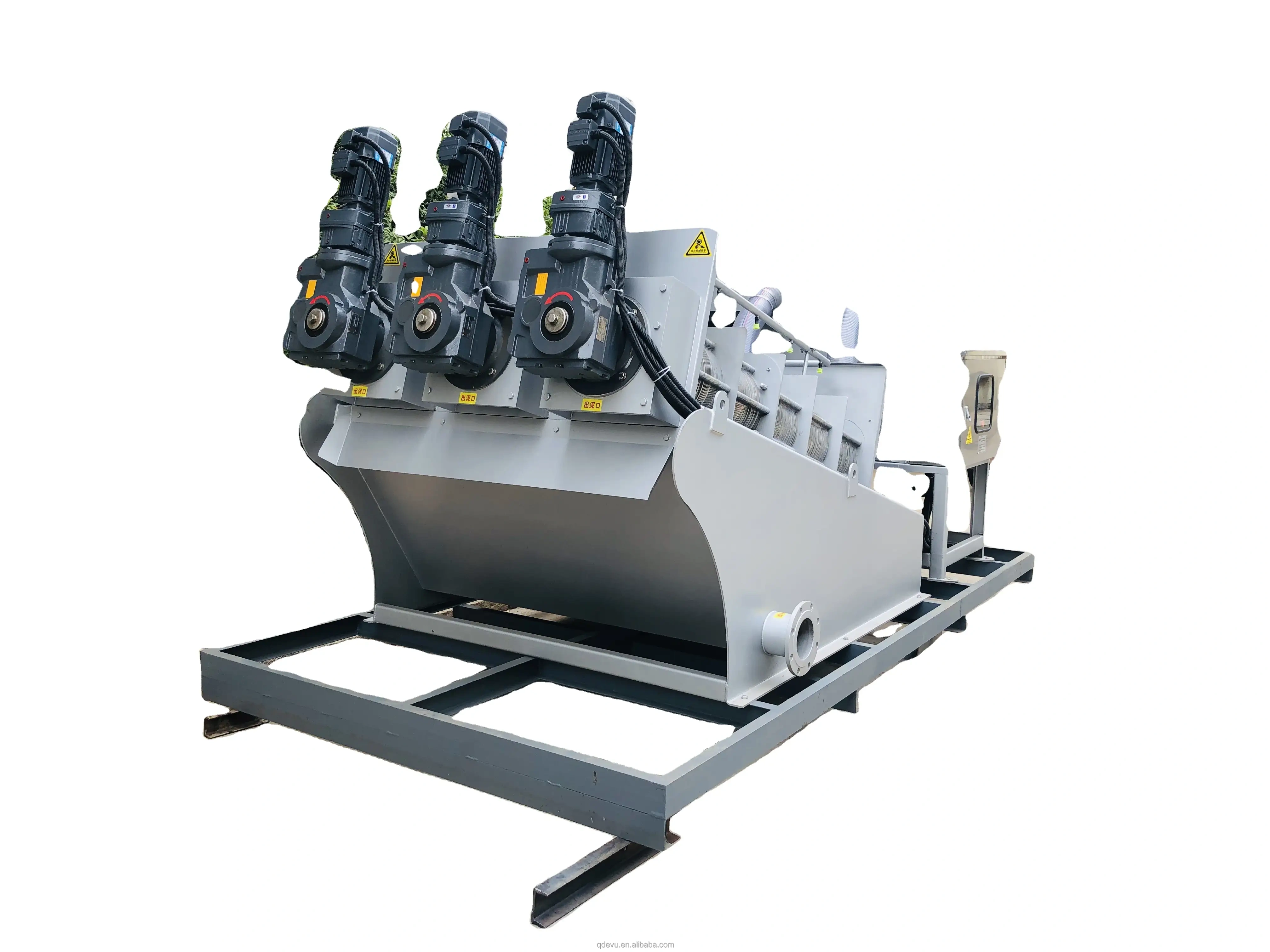
How Sludge Dewatering Machines Work: Core Principles by Technology
Centrifuge Dewatering: Separation via High-Speed Rotational Force
When it comes to separating sludge solids, centrifuges really pack a punch with those rotational forces going well over 3,000 Gs. The process works pretty straightforwardly actually: as sludge gets fed into this spinning drum, the heavier stuff naturally moves out towards the walls of the bowl, leaving behind clearer liquid that we call centrate which then gets pumped out from the center. Most installations manage to get around 18 to maybe even 25 percent solids concentration in what remains after all that spinning action. What makes these systems so popular? Well they run non stop without needing much space at all, plus they handle those tricky fine particle sludges where regular gravity based methods just don't cut it. And let's not forget about that scroll conveyor attached to the system which keeps on moving out the separated solids consistently, something absolutely essential for those big city wastewater treatment facilities dealing with constantly changing amounts of incoming sludge day after day.
Belt Filter Press: Continuous Filtration Through Tensioned Polymer Belts
The belt press works through three main stages during dewatering process. First comes gravity drainage as sludge moves across a drainage area. Next it goes into a space that gets narrower and narrower while the belts apply pressure reaching around 150 psi. The whole system keeps running continuously and typically produces sludge with about 15 to 30 percent solids after processing. Many plant operators prefer these machines because they generally consume less power than centrifuge systems and require fewer maintenance interventions. There is one big drawback though. When dealing with sludges that contain things like fabric scraps or wood pulp remnants, the tiny holes in the belts tend to get blocked over time. That's why most facilities invest in some kind of pretreatment step before feeding such materials into belt presses.
Screw Press & Plate and Frame: Mechanical Expression vs. Batch-Pressure Filtration
Screw presses work by spinning a screw inside a screen with holes, slowly squeezing the sludge together as the space between the threads gets smaller. These machines run at slower speeds but still manage to get about 25 to 35 percent solid material out of the mix while using very little power. That makes them great choices for smaller operations. Plate and frame presses are different though. They operate in batches. The sludge goes into chambers between metal plates, then pressure from around 100 to 225 pounds per square inch pushes water through fabric filters, leaving behind cakes that contain over 45% solids. Sure, these plate systems produce drier results than other methods, but they need regular loading periods and someone has to manually remove the pressed cake each time, which cuts down on how much can be processed overall.
Performance Comparison of Key Sludge Dewatering Machines
Dry Solids (DS) Output: From 18% (Centrifuge) to 60% (Plate and Frame)
The amount of dry solids in waste material really affects how much it costs to dispose of and what kind of transportation is needed. Let's look at some numbers: centrifuges usually get around 18 to 30 percent dry solids. Belt presses manage about 20 to 35 percent. But plate and frame systems are the real stars here, producing between 45 and 60 percent dry solids. These systems work best when getting the highest possible concentration matters most for operations. Why such a big difference? It comes down to how long the compression happens. Plate systems keep applying pressure over time while centrifuges rely on quick spinning forces. And interestingly enough, waste that ends up drier actually requires less energy to process per ton according to various industry reports. This makes sense because there's just less water to deal with in the end product.
Operational Metrics: Energy Use, Footprint, Automation Level, and Maintenance Demand
Key operational factors vary significantly across technologies:
| Metric | Centrifuge | Belt Press | Plate & Frame |
|---|---|---|---|
| Energy Use | High (40–80 kW) | Medium (25–50 kW) | Low (15–30 kW) |
| Footprint | Compact | Moderate | Large |
| Automation | Advanced controls | Basic PLC systems | Limited automation |
| Maintenance | Frequent bearing checks | Daily belt cleaning | Weekly filter replacement |
Centrifuges offer automation advantages for variable sludge types but require higher energy input. Belt presses provide operational simplicity with moderate maintenance, while plate systems deliver superior dryness with minimal power—though manual intervention increases labor hours.
Matching Sludge Dewatering Machines to Real-World Application Needs
Municipal WWTPs: Prioritizing Throughput, Reliability, and Regulatory Compliance
Wastewater treatment plants dealing with municipal sludge face massive daily flow volumes and need reliable dewatering gear that runs nonstop with little maintenance. Belt filter presses work well in this scenario, typically managing around 50 to 100 cubic meters each hour without breaking stride. The automated systems keep track of polymer additions so they can catch those solid particles effectively, which is pretty much essential if the facility wants to stay within EPA guidelines. For bigger installations, centrifuges are another good option. They tend to be just as dependable, plus their sealed construction keeps those nasty smells contained, which matters a lot when the plant sits next to neighborhoods. Newer equipment has really improved energy efficiency compared to what was used before, cutting electricity consumption down about 30%. And thinner cake means cheaper disposal too, saving between $18 and $25 per ton. These numbers matter to plant managers who have to balance environmental regulations with budget constraints while keeping services running smoothly.
Industrial Facilities: Handling Abrasive, Fibrous, or Variable-Composition Sludges
The world of industrial sludge dewatering requires tough, dependable solutions. Take food processing sludge for instance it can swing wildly between seasons, sometimes as low as 2% solids and other times hitting 8%. Then there's mining residue packed with those annoying abrasive quartz particles, and paper mill waste loaded with long cellulose fibers that just love to tangle everything up. Screw presses work wonders with fibrous stuff because they compress slowly enough to keep screens from getting blinded. For the really gritty stuff like mining tailings, plate-and-frame presses do the job pretty well too, squeezing out around 45 to 60% moisture even when dealing with all those little particulates floating around. Choosing the right polymer makes a big difference here. Anionic flocculants help settle down oily refinery waste, while cationic versions tackle those stubborn organic solids. Getting this right keeps operations running smoothly instead of grinding to a halt. Equipment built to last through harsh conditions saves money in the long run, and many plants report savings somewhere in the ballpark of $740,000 per year once they cut down on unexpected disposal costs.
Emerging and Context-Specific Sludge Dewatering Machine Options
Geotextile Tube Systems: Low-Cost, Passive Dewatering for Emergency or Large-Batch Scenarios
When traditional equipment struggles with space limitations or logistics issues, geotextile tube systems offer a different approach to dewatering. These flexible fabric bags take in sludge pumped from contaminated areas, holding back the solid waste while letting water escape through specially designed material. The process takes time usually several weeks to months but results in around 85-90% reduction in volume as water evaporates and the remaining material compacts. This makes a huge difference in disposal expenses. Environmental cleanup crews find these tubes particularly useful during oil spills, at hard to reach locations, or when dealing with big batches of contaminated soil. They don't need much power to operate and can be deployed quickly even in tight spaces such as near coastlines or rugged mountain areas where heavy machinery would struggle. Top manufacturers work on improving how porous the fabric is and making sure it stands up to sunlight exposure so they can handle all sorts of sludge mixtures without needing complicated mechanical parts.
FAQ: Understanding Sludge Dewatering Machines
What is the principle of centrifuge dewatering?
Centrifuge dewatering uses high-speed rotational forces to separate solids from liquids in sludge, often achieving 18-25% solids concentration.
How do belt filter presses work?
Belt filter presses use gravity drainage and pressure from tensioned belts to continuously filter sludge, producing 15-30% solids output.
Why are screw presses suitable for fibrous sludge?
Screw presses operate by compressing sludge slowly, reducing the risk of screen blockage, making them ideal for handling fibrous materials.
What advantages do plate and frame presses offer?
Plate and frame presses achieve high solids content (over 45%) by using batch-pressure filtration, though requiring more manual labor.
What factors influence the choice of sludge dewatering machine?
Factors include energy use, footprint, maintenance requirements, and application needs such as handling municipal or industrial sludges.
Table of Contents
- How Sludge Dewatering Machines Work: Core Principles by Technology
- Performance Comparison of Key Sludge Dewatering Machines
- Matching Sludge Dewatering Machines to Real-World Application Needs
- Emerging and Context-Specific Sludge Dewatering Machine Options
- FAQ: Understanding Sludge Dewatering Machines