 EN
EN

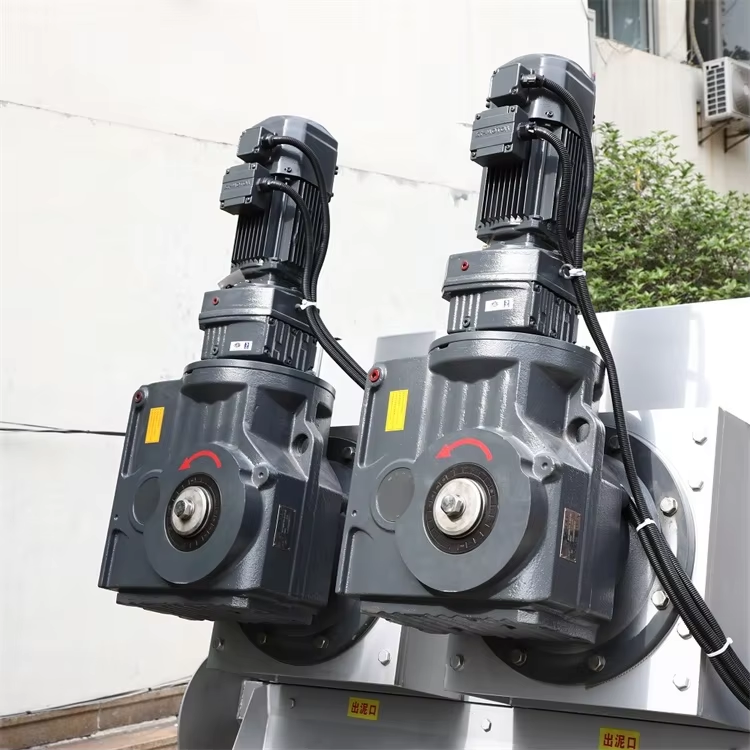
In wastewater treatment and industrial processing, the Sludge Dewatering Machine plays a crucial role in reducing sludge volume, lowering disposal costs, and improving overall treatment efficiency. Whether used in municipal wastewater plants, food processing, chemical manufacturing, or mining industries, the performance of a Sludge Dewatering Machine directly impacts operational costs and environmental compliance.
However, achieving optimal performance is not only about choosing the right equipment. Multiple technical, operational, and material-related factors influence how effectively a Sludge Dewatering Machine separates solids from liquids.
This article explores the most important factors that affect the performance of a Sludge Dewatering Machine and how operators can optimize them.
Understanding the Role of a Sludge Dewatering Machine
A Sludge Dewatering Machine removes water from sludge to reduce its volume and weight. This process improves handling, transportation, and disposal efficiency.
Common types of Sludge Dewatering Machine include:
Belt filter press
Screw press
Centrifuge
Plate and frame filter press
Each type has different performance characteristics, but all are influenced by similar core factors.
1. Sludge Characteristics
The most critical factor affecting Sludge Dewatering Machine performance is the sludge itself.
Key sludge properties include:
Particle size
Organic content
Fiber content
Oil and grease levels
Chemical composition
For example, sludge with high organic content retains more water, making dewatering more difficult. Fibrous sludge may improve filtration, while oily sludge can reduce separation efficiency.
Matching the Sludge Dewatering Machine type to sludge characteristics is essential for achieving stable performance.
2. Polymer Selection and Dosage
Chemical conditioning significantly affects how well a Sludge Dewatering Machine works.
Polymers help sludge particles form larger flocs, which improves water release and filtration.
Performance depends on:
Polymer type
Molecular weight
Charge density
Dosage accuracy
Mixing quality
Incorrect polymer selection can cause poor cake dryness, high chemical cost, and unstable machine operation.
Optimizing polymer dosing is one of the fastest ways to improve Sludge Dewatering Machine efficiency.
3. Machine Design and Technology
The design of the Sludge Dewatering Machine itself strongly influences performance.
Important design factors include:
Filtration area
Pressure mechanism
Drum or screw configuration
Filtration media quality
Automation level
Modern Sludge Dewatering Machine systems often incorporate intelligent control, improved materials, and optimized mechanical design to enhance reliability and output.
Equipment technology determines achievable dryness, throughput, and energy consumption.
4. Operating Parameters
Even the best Sludge Dewatering Machine can perform poorly if operating conditions are not optimized.
Key operating parameters:
Feed rate
Pressure level
Rotation speed
Retention time
Washing frequency
A higher feed rate may increase throughput but reduce dryness. Similarly, incorrect speed settings can lead to poor separation or clogging.
Careful adjustment of operating parameters ensures consistent Sludge Dewatering Machine performance.
5. Filtration Media and Components
Filtration media quality directly affects separation efficiency.
For example:
Belt materials influence permeability
Filter cloth selection affects cake release
Screw design impacts compression
Wear parts influence long-term stability
Poor-quality filtration components reduce the performance of a Sludge Dewatering Machine and increase maintenance frequency.
Regular inspection and proper material selection are essential.
6. Maintenance and Equipment Condition
Maintenance is one of the most overlooked factors affecting Sludge Dewatering Machine performance.
Common issues include:
Clogged filters
Worn screws
Misalignment
Poor lubrication
Sensor failure
Preventive maintenance helps maintain stable performance, extend equipment life, and reduce downtime.
A well-maintained Sludge Dewatering Machine delivers more consistent cake dryness and lower operating costs.
7. Automation and Control Systems
Modern wastewater facilities rely on automation to stabilize Sludge Dewatering Machine operation.
Advanced control systems can:
Adjust polymer dosing automatically
Monitor dryness levels
Optimize feed rate
Detect faults early
Reduce operator intervention
Automation improves consistency and ensures the Sludge Dewatering Machine operates within optimal parameters.
8. Environmental and Process Conditions
External conditions also influence Sludge Dewatering Machine performance.
Important factors include:
Temperature
Sludge aging time
Upstream treatment process
Variations in sludge load
Seasonal changes
For example, cold temperatures often reduce dewatering efficiency because sludge viscosity increases.
Understanding process variations helps operators adapt the Sludge Dewatering Machine settings.
9. Throughput vs. Dryness Trade-Off
One of the most common challenges in Sludge Dewatering Machine operation is balancing throughput and cake dryness.
Higher throughput may reduce dryness, while maximum dryness may reduce capacity.
Operators must define priorities:
Disposal cost reduction → focus on dryness
Production efficiency → focus on throughput
Energy optimization → balanced approach
The optimal performance of a Sludge Dewatering Machine depends on operational goals.
10. Equipment Selection and Sizing
Choosing the correct Sludge Dewatering Machine size is critical.
Oversized equipment may operate inefficiently, while undersized machines struggle with capacity.
Proper sizing considers:
Sludge volume
Dry solids content
Peak load variations
Future expansion
Industry requirements
Correct equipment selection ensures stable Sludge Dewatering Machine performance over time.
Practical Tips to Improve Sludge Dewatering Performance
Operators can improve Sludge Dewatering Machine efficiency by:
Testing sludge regularly
Optimizing polymer dosing
Monitoring dryness data
Adjusting operating parameters
Performing preventive maintenance
Upgrading filtration media
Implementing automation
Continuous optimization leads to better performance and lower lifecycle cost.
Future Trends in Sludge Dewatering Technology
The Sludge Dewatering Machine industry is evolving toward smarter and more energy-efficient solutions.
Key trends include:
AI-driven control systems
Energy-saving designs
Compact modular equipment
Integrated sludge treatment lines
Low-chemical dewatering technologies
These innovations will further improve the performance and sustainability of Sludge Dewatering Machine systems.
Conclusion
The performance of a Sludge Dewatering Machine depends on a combination of sludge characteristics, chemical conditioning, equipment design, operating parameters, and maintenance practices.
There is no single factor that determines success. Instead, optimal results come from understanding how these variables interact and continuously adjusting the process.
By selecting the right Sludge Dewatering Machine, optimizing polymer use, maintaining equipment, and leveraging automation, facilities can achieve higher dryness, lower disposal costs, and more stable wastewater treatment operations.
As industries continue to prioritize efficiency and sustainability, improving Sludge Dewatering Machine performance will remain a key focus in modern sludge management.
Table of Contents
- Understanding the Role of a Sludge Dewatering Machine
- 1. Sludge Characteristics
- 2. Polymer Selection and Dosage
- 3. Machine Design and Technology
- 4. Operating Parameters
- 5. Filtration Media and Components
- 6. Maintenance and Equipment Condition
- 7. Automation and Control Systems
- 8. Environmental and Process Conditions
- 9. Throughput vs. Dryness Trade-Off
- 10. Equipment Selection and Sizing
- Practical Tips to Improve Sludge Dewatering Performance
- Future Trends in Sludge Dewatering Technology
- Conclusion