 EN
EN

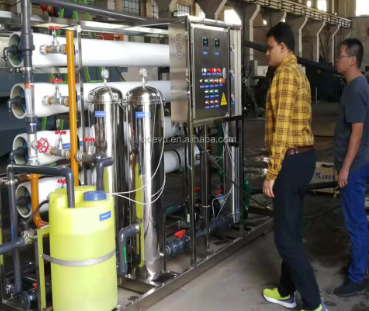
Preventive Maintenance Fundamentals for Sludge Dewatering Machines
Why Preventive Maintenance Is Critical for Sludge Dewatering Machine Uptime
When wastewater treatment plants experience unplanned downtime, they typically lose around $740,000 each year according to Ponemon's research from 2023. That makes regular maintenance absolutely essential for keeping sludge dewatering systems running smoothly. Looking at data from Plant Engineering in 2022, about seven out of ten mechanical problems can be avoided through proper servicing. This happens because technicians catch signs of wear long before anything actually breaks down completely. For cities where wastewater treatment must run nonstop without interruption, planned maintenance checks help keep solids capture rates high and stop those frustrating processing delays. Industrial sludge is really tough on equipment components since it wears them down so quickly. But when operators stick to routine inspections and make necessary adjustments, most machinery lasts anywhere between three to five extra years. And this regular care also means better dewatering results day after day without unexpected drops in performance.
Core Components Requiring Scheduled Intervention (Screw, Drum, Bearings, Feed System)
Four critical subsystems demand regimented maintenance in sludge dewatering machines:
| Component | Primary Failure Modes | Maintenance Focus |
|---|---|---|
| Screw Press | Wear flights, torque imbalance | Flight clearance checks, alignment |
| Rotary Drum | Screen clogging, corrosion pitting | High-pressure washing, thickness gauging |
| Axial Bearings | Lubricant contamination, overheating | Relubrication cycles, temperature monitoring |
| Feed System | Nozzle erosion, flow inconsistencies | Orifice inspection, pressure calibration |
Screws in food processing sludge treatment systems really take a beating from all that twisting force, which is why checking torque levels once a month is so important. The drum screens used for municipal wastewater sludge also need regular cleaning twice a month to keep them working properly through all that grit. When dealing with feed systems that handle materials with lots of solids content, it's crucial to calibrate the flow settings after about 200 hours of operation to prevent issues with cake moisture levels going off track. And let's face it folks, when these parts aren't maintained according to schedule, things tend to go wrong pretty often. According to the WEF Maintenance Report from last year, around 8 out of 10 problems with dewatering systems can be traced back to neglecting basic component maintenance.
Daily and Weekly Inspection Protocols for Sludge Dewatering Machines
Routine inspections form the frontline defense against unexpected equipment failures in wastewater treatment operations. Daily and weekly checklists enable plant operators to detect minor issues before they escalate into costly breakdowns, ensuring consistent sludge dewatering performance across municipal and industrial applications.
Vibration, Noise, and Leakage: Early Warning Signs of Impending Failure
When machines start vibrating abnormally, it usually means something's off track - maybe the alignment is wrong, bearings are wearing down, or there's stress on the structure somewhere. Daily checks with those handheld vibration tools help catch problems early when comparing what we see now to our normal baselines. Listen closely too; strange sounds like grinding metal or that annoying high pitched whine typically point to failed lubrication systems or damaged gears. Don't forget to look at seals and joints every week for any signs of fluid leakage. These leaks not only speed up corrosion but also tell us when gaskets are starting to fail. Food processing sludge treatment plants present special challenges because organic material builds up so fast there, making these issues show up 2 to 3 weeks sooner compared to regular municipal systems. Getting ahead of these problems saves money in the long run, cutting repair bills by around 40% according to maintenance teams who've seen firsthand how secondary damage spreads through motors and drive components if left unchecked.
Standardized Checklist: Motor, Gearbox, Sensors, and Belt/Tension Systems
Implement a systematic daily/weekly protocol covering these critical components:
- Motor: Verify temperature thresholds (≤65°C) and amperage draw within 10% of nameplate rating
- Gearbox: Check oil clarity and level weekly; metallic particles indicate imminent gear failure
- Sensors: Calibrate pressure transducers monthly; clean optical turbidity sensors daily to prevent false readings
- Belt/Tension Systems: Measure deflection (target: 1/64" per inch of span); inspect for fraying at splice points
Document findings in maintenance logs to track performance trends. Facilities using structured checklists report 30% longer bearing life and 22% fewer unplanned shutdowns (WEF Operations Report 2023), especially in high-solids industrial wastewater treatment environments.
Critical Servicing Tasks: Lubrication, Cleaning, and Calibration
Lubrication Best Practices to Prevent 35% of Bearing Failures
Proper lubrication prevents over one-third of bearing failures in sludge dewatering machines. Follow manufacturer specifications for lubricant type and viscosity, applying precise quantities at scheduled intervals–typically every 8–24 operational hours. Over-lubrication attracts abrasive sludge particles; under-lubrication causes metal fatigue. Implement daily checks:
- Verify lubricant levels in central reservoirs
- Inspect distribution lines for clogs or leaks
- Monitor bearing temperatures during operation
Document each lubrication event to identify consumption patterns. These practices reduce friction heat by up to 30°C, extending bearing lifespan and preventing unplanned downtime.
Sludge-Resistant Cleaning Methods and Calibration Frequency for Sensor Accuracy
Effective cleaning requires specialized techniques to combat stubborn sludge residues. After each shift:
- Flush feed systems and drum surfaces with high-pressure (≥1500 PSI) water jets
- Apply pH-neutral detergents to dissolve organic buildup without corroding components
- Use non-abrasive brushes on sensor surfaces
Calibrate pressure, torque, and level sensors monthly using NIST-traceable standards. Increase frequency to bi-weekly when processing high-solid (5%) sludge. Post-cleaning calibration ensures measurement deviations stay below ±2%, maintaining optimal dewatering efficiency. Record all calibration results to detect drift trends early.
Data-Driven Maintenance Scheduling for Sludge Dewatering Machine Longevity
Transitioning from reactive to predictive maintenance extends sludge dewatering machine lifespan by 20% while cutting unplanned downtime by 45% (McKinsey 2023). By integrating IoT sensors with SCADA systems, operators gain real-time insights into critical parameters:
- Screw conveyor torque fluctuations, indicating potential jams
- Vibration patterns, signaling bearing wear before audible symptoms emerge
- Differential pressure trends, revealing progressive filter cloth clogging
This continuous data stream enables maintenance teams to:
- Replace components before failure using remaining-useful-life algorithms
- Optimize cleaning cycles based on actual sludge viscosity measurements
- Adjust polymer dosing automatically through machine learning models
Studies show that predictive maintenance can cut down on repair costs anywhere between 30 to 50 percent when compared against traditional time-based maintenance schedules according to Aberdeen Group's 2022 findings. Municipal wastewater facilities benefit greatly from this approach too, gaining around seven hundred extra working hours each year for every piece of equipment they maintain. Operators dealing with food waste or chemical sludge see even better results because these materials tend to wear out machinery much faster. What makes all this work is looking at past performance alongside what sensors are telling us now to predict when something might fail. Instead of just spending money on repairs, companies start seeing maintenance as part of their overall reliability strategy rather than just another expense line item.
FAQ
What is the importance of preventive maintenance for sludge dewatering machines?
Preventive maintenance is crucial to avoid unplanned downtime, extend machine lifespan, and improve dewatering efficiency. Regular inspections and servicing catch early signs of wear, helping operators avoid costly breakdowns.
What are the main components that require scheduled maintenance?
Key components include the screw press, rotary drum, axial bearings, and feed system. Each has specific failure modes and maintenance focuses to ensure optimal operation.
How often should lubricant levels be checked?
Lubricant levels should be verified daily within central reservoirs, with inspections for clogs or leaks in distribution lines.
What is the best way to remove sludge residues?
Use high-pressure water jets, apply pH-neutral detergents, and use non-abrasive brushes. These methods prevent component corrosion and sensor fouling.
How does data-driven maintenance scheduling improve machine longevity?
Data-driven maintenance involves real-time monitoring and predictive analytics, which enables proactive component replacement and cleaning cycles, extending machine lifespan by 20% and reducing downtime by 45%.
Table of Contents
- Preventive Maintenance Fundamentals for Sludge Dewatering Machines
- Daily and Weekly Inspection Protocols for Sludge Dewatering Machines
- Critical Servicing Tasks: Lubrication, Cleaning, and Calibration
- Data-Driven Maintenance Scheduling for Sludge Dewatering Machine Longevity
-
FAQ
- What is the importance of preventive maintenance for sludge dewatering machines?
- What are the main components that require scheduled maintenance?
- How often should lubricant levels be checked?
- What is the best way to remove sludge residues?
- How does data-driven maintenance scheduling improve machine longevity?