 EN
EN

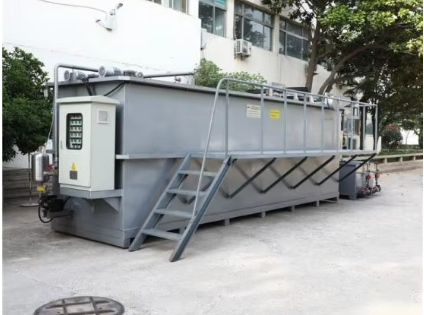
How Polymers Enable Efficient Solid-Liquid Separation in Sludge Dewatering Machines
Flocculation Mechanics: Accelerating Settling and Filtration in Sludge Dewatering Machines
The right polymers make a big difference in how well sludge gets dewatered. They work by sticking together those tiny, scattered particles into bigger clumps that actually sink to the bottom during flocculation. What does this mean for wastewater treatment? Faster settling in thickeners and much better results from belt presses, sometimes improving filtration rates by around half. The bigger, stronger flocs also prevent filters from getting clogged so operations can run smoothly without constant interruptions. Getting good floc formation isn't just about throwing any polymer at the problem though. Matching up polymer properties like charge levels, molecular size, and thickness with what's actually in the sludge is essential. Get this wrong and energy bills could jump anywhere between 15 to 25 percent. Proper conditioning leads to about 20 to 30 percent more solid material captured in centrifuges, which translates directly into lower disposal costs and less waste overall for treatment facilities.
Electrostatic Neutralization and Polymer Bridging: Key Interactions with Sludge Particles
Polymer performance relies on two main factors working together: electrostatic neutralization and what's called polymer bridging. When cationic polymers come into contact with organic sludge particles, they effectively cancel out the negative charges these particles carry. This gets rid of the repelling forces that normally keep particles apart from each other. At the same time, long polymer chains wrap around and connect neighboring particles through physical entanglement. These connections create thick, sturdy flocs that can handle significant mechanical stress during dewatering processes. Plants that match their polymer charges properly typically see moisture levels in the final cake product drop by about 18 to 22 percent compared to raw sludge. The molecular weight of the polymer plays a big role in how well these flocs hold together. Higher molecular weight polymers form stronger aggregates, which is why they're so important for applications involving intense mechanical forces like those found in decanter centrifuges. Basically, when flocs stay stable under pressure, the whole dewatering process works much better.
Selecting the Right Polymer for Your Sludge Dewatering Machine and Sludge Type
Cationic Polymers for Municipal Sludge vs. Tailored Blends for Industrial Sludge Dewatering Machines
Most municipal wastewater sludge consists of biological solids with negative charges, which means they react strongly to cationic polymers that balance out those charges and create quick floc formation. When operators choose the right polymer for their system, they typically see an improvement of around 3 to 5 percent in cake solids during sludge dewatering operations. This makes a real difference in transportation costs and lowers what plants pay at landfills. Industrial sludge tells a different story altogether since it comes from so many different sources. Food processing facilities generate sludge loaded with soluble organics and fats, whereas petrochemical plants or metal finishing operations produce sludge containing heavy metals, sometimes extremely acidic or alkaline materials, and occasionally high salt content. Standard polymer products just don't work well enough here. Specialized blends created specifically for particular pH levels, ion concentrations, and contaminant mixtures perform much better at capturing solids, make the sludge easier to handle after treatment, and generally consume about 15 to 30 percent less polymer than generic options available on store shelves.
Matching Polymer Charge, Molecular Weight, and Viscosity to Sludge Dewatering Machine Requirements
Three core polymer properties govern compatibility and performance across dewatering technologies:
- Charge density, which determines neutralization capacity and initial particle aggregation speed;
- Molecular weight (MW), which controls floc size, strength, and resistance to shear; and
- Viscosity, which affects dissolution kinetics, mixing efficiency, and uniform distribution in sludge streams.
High molecular weight polymers create those big, sturdy flocs that work great in belt presses, though they can cause problems with screens getting blinded in centrifuge operations. For belt presses specifically, medium charge density polymers tend to be better because they strike a good balance between fast drainage and making sure the cake comes off cleanly without sticking. When it comes to centrifuges, things are different. These machines actually need polymers with medium to high charge density so they can neutralize charges quickly before those intense G-forces break apart the flocs during processing. Most operators still rely on jar tests as the best way to figure out which polymer specs will match up properly with specific sludge types and what kind of equipment is being used. It's really about finding that sweet spot where everything works together efficiently.
| Parameter | Centrifuge Requirement | Belt Press Requirement |
|---|---|---|
| Charge Density | Medium–High | Medium |
| Molecular Weight | Medium | High |
| Viscosity | Low–Medium | Medium |
Incorrect viscosity – especially excessively high – causes poor dispersion and uneven dosing, increasing energy consumption by 8–12% and compromising floc consistency across batches.
Optimizing Polymer Dosing to Maximize Sludge Dewatering Machine Performance
Avoiding Overdosing and Underdosing: Impacts on Cake Moisture, Throughput, and Machine Wear
Getting polymer dosing right is absolutely critical for good results, not just something to apply randomly. When there's too much polymer, it brings in extra positive charges and those long chain molecules actually trap water inside the flocs. This seems counterintuitive but can raise cake moisture levels by around 5% while making the solid content drop off. The result? Higher disposal expenses, slower processing speeds, and all sorts of headaches later on in the system. On the flip side, not putting enough polymer leads to flimsy flocs that can't hold onto solids properly. This means cloudy filtrate, needing to process things again more often, and way too many fine particles getting stuck on filters. All that mechanical strain from poor dewatering really takes a toll on equipment. Belts, rollers, and filter cloths wear out faster than they should. We've seen cases where belt presses suffering from constant underdosing end up replacing filter cloths twice as often, costing about $18k each year per machine in parts alone. Finding that sweet spot with proper dosing matters a lot. Regular jar tests combined with ongoing solids monitoring helps achieve this balance. With optimal levels, facilities typically see between 25% to 40% less moisture in their final product, which makes transporting easier, cuts down on trucks needed, and ultimately shrinks the overall environmental impact.
Tangible Environmental and Operational Benefits of Polymer Use in Sludge Dewatering Systems
Adding polymers to sludge dewatering systems brings real benefits that can be measured both operationally and environmentally. These systems typically create cake solids ranging from about 18 to 25 percent, which means sludge volumes shrink by nearly 90 percent when compared to untreated sludge. That's a big deal because it means fewer truckloads heading out for disposal, less fuel burned during transport, and much less pressure on landfills. From an operational standpoint, getting the right amount of polymer in there boosts processing capacity anywhere between 20 to 35 percent while cutting down on energy usage by roughly half to four fifths compared to older methods without polymers, especially noticeable in centrifuges and screw presses. Environmentally speaking, better separation of solids from liquids leaves behind cleaner water streams, making it safer to recycle back into processes and reducing problems with meeting discharge regulations. The drier cakes produced this way open up more options for reuse too. They can actually go onto fields under rules set by agencies like the US EPA's Part 503 standards, and they generate far less harmful runoff in landfills. When plants implement proper dosing controls alongside polymer treatment, they end up using fewer chemicals overall, protect workers from potential hazards, and help move toward more sustainable water practices throughout their operations and surrounding ecosystems.
FAQ Section
What is the primary role of polymers in sludge dewatering?
Polymers help in forming larger flocs from tiny particles, which accelerates settling and filtration, making the dewatering process more efficient.
How do polymers impact the cost of sludge management?
Proper polymer use can reduce energy consumption, lower disposal costs, and decrease the waste volume, leading to overall cost savings.
Why is selecting the right polymer important for different sludge types?
Different sludge types have varying properties, and using the right polymer ensures effective flocculation and dewatering, tailored to those specific characteristics.
Table of Contents
- How Polymers Enable Efficient Solid-Liquid Separation in Sludge Dewatering Machines
- Selecting the Right Polymer for Your Sludge Dewatering Machine and Sludge Type
- Optimizing Polymer Dosing to Maximize Sludge Dewatering Machine Performance
- Tangible Environmental and Operational Benefits of Polymer Use in Sludge Dewatering Systems