 EN
EN

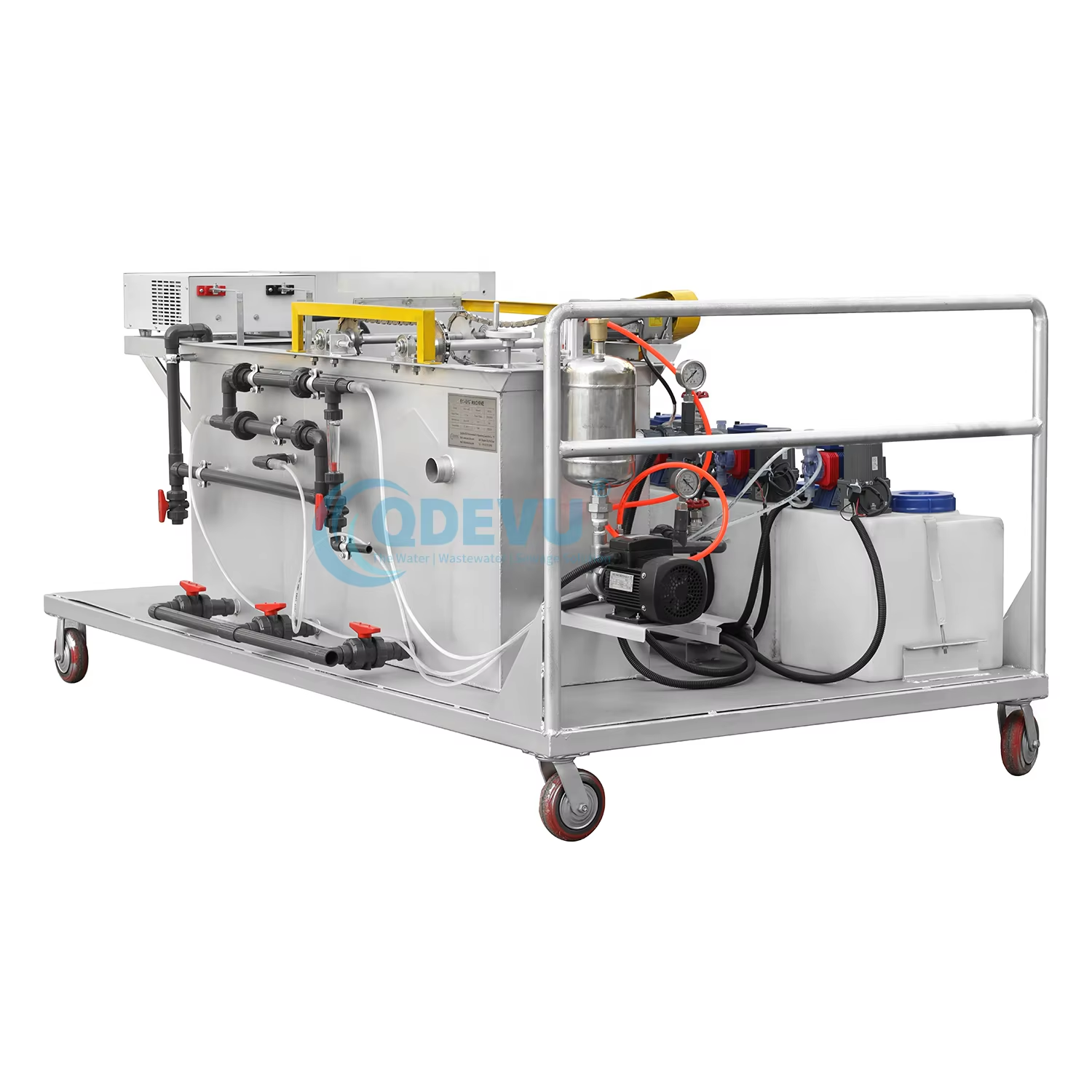
Superior Pollutant Removal Efficiency of Electrocoagulation Flotation Machines
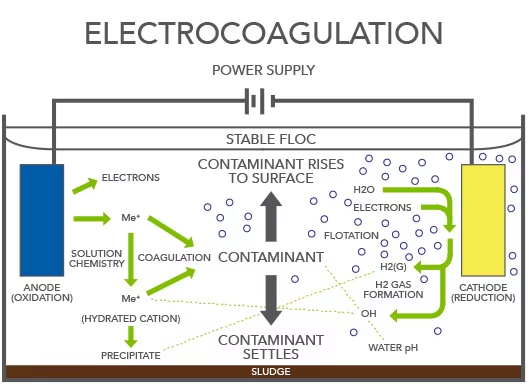
High Removal Efficiencies for Suspended Solids, Heavy Metals, and Emulsified Oils Using Electrocoagulation Flotation Machines
Electrocoagulation flotation machines achieve exceptional removal rates for complex pollutants, with over 95% elimination of emulsified oils and 89–94% reduction in heavy metals such as lead and chromium. By leveraging controlled electrochemical reactions, this technology destabilizes contaminants without requiring secondary chemical additives, enabling efficient separation and high-purity effluent.
Comparison of Electrocoagulation Efficiency Versus Conventional Physicochemical Coagulation/Flocculation Methods
Unlike traditional methods that depend on chemical coagulants and pH adjustment, electrocoagulation reduces sludge production by 40–60% while achieving comparable turbidity removal. A 2023 comparative study found these systems consume 30% less energy than chemical-dependent alternatives when treating textile industry effluent, highlighting their operational and environmental advantages.
Data-Driven Performance: Average Contaminant Removal Rates Exceeding 90% in Industrial Wastewater
Industrial trials consistently report contaminant removal rates above 90%, including 92–97% reduction in suspended solids and 85–94% decrease in chemical oxygen demand (COD). For heavy metal-laden wastewater, a 2023 analysis across 12 manufacturing sites showed an average removal efficiency of 91%, underscoring the reliability of electrocoagulation in diverse industrial applications.
Case Study: Enhanced Turbidity and COD Reduction in Municipal Wastewater
A municipal treatment plant utilizing electrocoagulation flotation achieved 94% COD reduction and 95% turbidity removal during rainy-season operations. The system maintained over 90% efficiency despite fluctuating flow rates, outperforming legacy coagulation-flocculation units by 22–28% under peak-load conditions.
Environmental Benefits: Chemical-Free Treatment and Reduced Sludge Production
Chemical-Free Water Treatment Processes Reduce Ecological Footprint of Electrocoagulation Flotation Machines
The process called electrocoagulation gets rid of those aluminum or polymer chemicals that traditional wastewater plants rely on so much. What this means is fewer harmful substances end up floating around in our rivers and lakes after treatment. Water treatment facilities have reported seeing real improvements in their ability to meet strict environmental standards thanks to this approach. Plus, when a plant switches to electrocoagulation, they're not at the mercy of fluctuating prices or availability issues with chemical suppliers anymore. Many operators find this makes their operations more stable over time while still keeping costs under control, which is pretty important for municipal budgets these days.
Low Sludge Production and Improved Sludge Characteristics Compared to Traditional Methods
Electrocoagulation generates 35–50% less sludge volume than physicochemical coagulation, with resulting sludge exhibiting higher density and stability. These properties facilitate easier dewatering and reduce landfill requirements, directly lowering transportation and disposal costs. The improved sludge quality also mitigates long-term environmental liabilities associated with storage and leachate risks.
Reduction in Secondary Pollution Risks Due to Absence of Chemical Reagents
By removing chemical additives from the treatment process, electrocoagulation minimizes the risk of residual reagent contamination. Independent water safety audits show plants using this technology experience 60–75% fewer secondary pollution incidents compared to chemically dependent systems, ensuring safer effluent discharge and better protection of aquatic ecosystems.
Operational Simplicity, Modularity, and Scalability of Electrocoagulation Flotation Systems
Ease of Operation and Maintenance Enhances Reliability in Modern Treatment Plants
The electrocoagulation flotation machines need very little hands-on work from operators because they come with automatic controls for managing things like voltage levels, water flow rates, and how long reactions take place. Traditional setups demand constant attention to pH levels and regular chemical additions, but these newer models cut down on all that fuss by around 70 percent according to industry reports. Plus there's the self-cleaning electrode feature plus easy-to-replace parts which makes keeping them running smoothly much simpler. Maintenance time drops somewhere between forty to sixty percent when compared against older clarification systems.
Modular Design Enables Scalability for Industrial and Municipal Applications
Today's electrocoagulation systems come in compact containers that make it easy to expand capacity simply by adding pre-made modules. For municipal treatment facilities, this means they can boost their processing power anywhere from 30 to maybe even 50 percent without tearing anything apart or building new structures. Industries dealing with waste streams that fluctuate seasonally, such as those in food production or textile manufacturing, find these systems particularly handy for keeping up with changing demands. Getting these units installed takes about 65% less time than traditional fixed installations. What's more, the amount of energy needed stays pretty much the same when scaling operations up or down, so efficiency doesn't drop off when things change around the plant floor.
Wide Applicability Across Industrial and Municipal Water Treatment Scenarios
Application Fields of Electrocoagulation in Diverse Treatment Environments
Electrocoagulation flotation machines work really well across different industries, from city water treatment plants all the way to factories and mines. Cities install these systems mainly to get rid of stuff floating in water, harmful germs, and various organic pollutants. On the industrial side, we see them at work in places making clothes, processing food, extracting minerals, and producing chemicals. For miners, these machines make a big difference by pulling out dangerous heavy metals from wastewater. Oil companies also rely on this tech to clean up oily runoff before it gets released into the environment. What makes these systems so adaptable is their capability to tackle many kinds of pollution without needing special chemicals for each location, which saves money and reduces environmental impact over time.
Successful Implementation in Textile Effluents, Food Processing Runoff, and Oil-Contaminated Water
For textile industries dealing with colored wastewater, electrocoagulation typically removes around 92 to almost 97 percent of dyes, which is really important when trying to comply with those tough color standards set by environmental agencies. Meat packing plants and other food processors have started using this method too, cutting down their biological oxygen demand (BOD) levels by roughly 85 to 90 percent in waters loaded with fats and organic matter. Tests conducted on-site demonstrate that it can separate hydrocarbons from contaminated water at about 94 percent efficiency, beating out old school methods like dissolved air flotation hands down. Research published last year showed something pretty impressive as well: electrocoagulation cuts down processing times by nearly half in waste streams containing lots of fat compared to what most plants do now with regular coagulation techniques.
Adaptability to Variable Influent Quality and Flow Rates Without Performance Loss
Contemporary water treatment systems can still remove more than 90 percent of contaminants even when there are plus or minus 30 percent changes in incoming water parameters like pH levels, salt content, or pollution concentrations. This kind of robustness makes these systems work well in places where conditions change with seasons, such as food processing plants during harvest times, or in cities where stormwater mixes with sewage during heavy rains. The system's modular approach means it works for small scale operations starting at around 10 cubic meters per day right up to large installations handling 50 thousand cubic meters daily, so businesses can grow without needing completely new equipment. Industry leaders have found that their systems only vary by under 5 percent in effectiveness whether running at just 10 percent or all the way up to 200 percent of what they're rated for. That kind of consistency gives operators peace of mind compared to older methods that rely on fixed chemical doses which often fail when conditions aren't exactly as expected.
Energy Efficiency and Long-Term Cost-Effectiveness of Electrocoagulation Flotation Machines
Low Energy Consumption Enhances Economic Viability Over Time
When compared to traditional chemical treatment methods, electrocoagulation runs at around 60 percent less energy intensity. Most facilities see somewhere between 15 and 45 kilowatt hours needed for every 1,000 gallons processed according to Global Water Intelligence data from last year. Part of what makes this technology so efficient is that it doesn't need those big mechanical mixers or powerful pumps that are usually required when adding chemicals manually. Plants that have made the switch tell similar stories about their bottom line too. A recent study looking at six different industrial sites found operators experienced nearly 58% savings on their monthly utility bills after adopting electrocoagulation systems. These kinds of numbers really start to add up over time.
Cost Savings From Reduced Chemical Procurement and Lower Sludge Disposal Expenses
Switching from chemical coagulants to electrical current cuts down on reagent costs by roughly 80 to 95 percent, which matters a lot considering how much prices have gone up for things like aluminum sulfate and ferric chloride lately according to the Wastewater Chemicals Index report from 2023. When it comes to sludge volume, there's typically around a 40 to 60 percent drop, and that means serious money saved. At one steel manufacturing facility, they ran a test over twelve months and saw their annual costs for dewatering and landfill fees go down by about $162,000. Another plus point is the moisture level in the sludge after electrocoagulation treatment sits between 68 and 72 percent, whereas traditional approaches leave it at 80 to 85 percent wetness. This lower moisture makes everything easier to handle and cheaper to dispose of. Plus, modular setups help avoid spending too much upfront on big equipment that might not be needed right away. And with systems that monitor energy usage in real time, plants can adjust power consumption based on actual flow rates, keeping those cost savings going strong over the long haul.
FAQ
What is electrocoagulation flotation?
Electrocoagulation flotation is a water treatment process that uses electrical currents to destabilize and remove pollutants such as emulsified oils, heavy metals, and suspended solids without the need for chemical additives.
What are the benefits of using electrocoagulation flotation machines?
They offer superior pollutant removal efficiencies, reduce sludge production and chemical reagent dependency, lower secondary pollution risks, and provide cost-effective and energy-efficient solutions compared to traditional methods.
How do these machines compare to traditional treatment methods?
Compared to traditional methods, electrocoagulation systems consume less energy, generate less sludge, and eliminate the need for chemical coagulants. They also offer modularity and scalability for various industrial and municipal applications.
Is electrocoagulation suitable for all types of industrial wastewater treatment?
Yes, electrocoagulation is versatile and can effectively treat wastewater from various industries, including textile, food processing, mining, and oil recovery, by adapting to different pollutant types without requiring special chemicals for each case.
Table of Contents
-
Superior Pollutant Removal Efficiency of Electrocoagulation Flotation Machines
- High Removal Efficiencies for Suspended Solids, Heavy Metals, and Emulsified Oils Using Electrocoagulation Flotation Machines
- Comparison of Electrocoagulation Efficiency Versus Conventional Physicochemical Coagulation/Flocculation Methods
- Data-Driven Performance: Average Contaminant Removal Rates Exceeding 90% in Industrial Wastewater
- Case Study: Enhanced Turbidity and COD Reduction in Municipal Wastewater
- Environmental Benefits: Chemical-Free Treatment and Reduced Sludge Production
- Operational Simplicity, Modularity, and Scalability of Electrocoagulation Flotation Systems
- Wide Applicability Across Industrial and Municipal Water Treatment Scenarios
- Energy Efficiency and Long-Term Cost-Effectiveness of Electrocoagulation Flotation Machines
- FAQ