 EN
EN

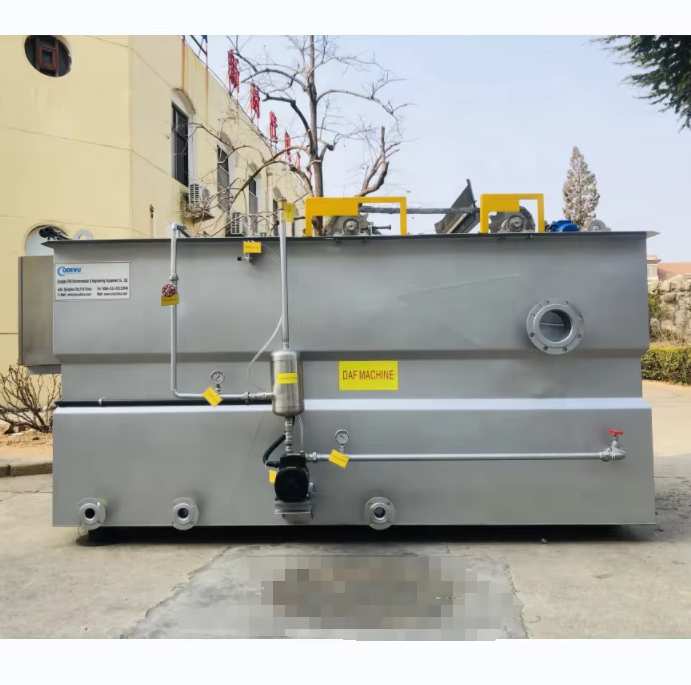
Sludge Generation in the Sewage Treatment Plant Process
Sludge is the inevitable byproduct of wastewater purification—a semi-solid residual composed of organic matter, inorganic solids, and trace chemicals that settle out during physical, biological, and chemical treatment stages. In the primary phase, gravity sedimentation removes heavier solids to produce primary sludge. Secondary treatment employs microorganisms to consume dissolved organic pollutants, yielding a lighter, biologically active waste activated sludge (WAS). Tertiary polishing steps—such as filtration or nutrient removal—further concentrate residual solids, adding to the overall volume.
U.S. treatment plants generate approximately 7 million dry tons of sewage sludge annually (U.S. EPA, 2023). Freshly produced sludge is typically over 95% water, making it heavy, voluminous, and costly to transport without prior volume reduction. Effective management begins at the point of generation: understanding sludge source, composition, and dewatering potential enables earlier intervention—significantly improving efficiency and lowering downstream handling costs.
Core Sludge Handling Technologies at the Sewage Treatment Plant
Effective sludge management relies on a sequential suite of technologies designed to reduce volume, eliminate pathogens, and prepare material for final use. Modern plants integrate these systems to transform high-moisture raw sludge into a stable, manageable product.
Thickening: Reducing Volume Before Further Processing
Thickening is the first critical step, increasing solids concentration by removing free water. Gravity thickening works well for denser primary sludge, while dissolved air flotation (DAF) excels with lighter WAS. By raising solids content to 4–6%, thickening can reduce total sludge volume by up to 80%, substantially lowering hydraulic load and energy demand for downstream digesters and pumps.
Stabilization: Anaerobic Digestion and Emerging Alternatives
Anaerobic digestion remains the industry standard for sludge stabilization. In oxygen-free tanks, mesophilic bacteria degrade 40–60% of volatile solids and produce methane-rich biogas—offsetting up to 50% of a plant’s energy needs. Thermal hydrolysis, an emerging pretreatment, uses high pressure and temperature to enhance digestibility, boosting biogas yield by up to 30% and improving pathogen destruction to meet Class A standards.
Dewatering: Centrifuges, Belt Presses, and Solar Options
Dewatering applies mechanical force to produce a spadeable cake with 20–35% dry solids. High-speed centrifuges offer rapid, enclosed processing ideal for large facilities; belt filter presses provide lower operational costs for smaller plants. Solar drying beds serve as a low-energy alternative in arid climates—but performance depends heavily on weather conditions. Technology selection must balance energy use, throughput requirements, and target dryness for transport or reuse.
Transforming Sludge into Safe, Reusable Biosolids
Regulatory Standards: Class A vs. Class B Biosolids Under EPA 503
Sludge transformation culminates in biosolids that comply with the U.S. EPA’s 40 CFR Part 503 standards—the federal framework governing land application and disposal. Class A biosolids undergo rigorous treatment to reduce pathogens—including enteric viruses and Salmonella—to below detectable levels, permitting unrestricted use in public spaces like parks and home gardens. Class B biosolids meet less stringent pathogen limits and require site restrictions, buffer zones, and access controls. The rule also sets cumulative pollutant loading rates for metals such as arsenic, cadmium, lead, and mercury to protect soil health and groundwater quality over time.
Reuse Pathways: Agriculture, Landscaping, and Energy Recovery
Approximately 55% of U.S. biosolids are beneficially reused as nutrient-rich soil amendments in agriculture, forestry, and land reclamation—supplying nitrogen, phosphorus, and organic matter while reducing synthetic fertilizer dependence (U.S. EPA, 2022). Additional applications include landscaping, turf establishment, and mine-site reclamation. Beyond land use, anaerobic digestion captures biogas for on-site power generation or vehicle fuel, while about 15% of biosolids support energy recovery via co-firing in cement kilns or deep-well injection—diverting material from landfills and advancing circular resource goals.
Environmental Safeguards and Responsible Disposal Alternatives
When contamination levels, regulatory constraints, or market limitations prevent beneficial reuse, responsible disposal becomes essential—not optional. Every sewage treatment plant must maintain contingency plans aligned with environmental stewardship and regulatory accountability.
When Reuse Isn’t Feasible: Landfilling and Incineration Best Practices
Landfilling requires stabilized, dewatered sludge—ideally below 60% moisture—to minimize leachate generation and transportation costs. Monofills or engineered co-disposal cells with liner systems and leachate collection are preferred over unlined dumps. For incineration, fluidized-bed combustors equipped with fabric filters, scrubbers, and continuous emission monitoring achieve 99% destruction of organic contaminants while recovering heat for sludge drying or steam generation—turning disposal into a limited energy asset.
Monitoring, Reporting, and Lifecycle Accountability
Robust oversight underpins all disposal pathways. Operators monitor ash composition, groundwater quality from adjacent wells, and stack emissions—reporting results to state agencies and the EPA. Third-party audits verify compliance across the full lifecycle: from sludge generation and treatment records to transport manifests and final disposition. This closed-loop accountability informs real-time process optimization and reinforces public trust in responsible wastewater infrastructure.
FAQ Section
What is sewage sludge?
Sewage sludge is the semi-solid residual composed of organic matter, inorganic solids, and trace chemicals that are produced during the treatment of wastewater.
How is sludge reduced in volume?
Sludge volume is reduced through thickening, stabilization, and dewatering processes, which remove water and prepare sludge for transport or reuse.
What are biosolids?
Biosolids are treated sludge that meets regulatory standards for reuse, often used as soil amendments in agriculture, landscaping, and energy recovery projects.
What are the environmental safeguards for sludge disposal?
Environmental safeguards include monitoring groundwater quality, ash composition, and emissions, as well as maintaining compliance with regulatory standards to ensure responsible disposal.