 EN
EN

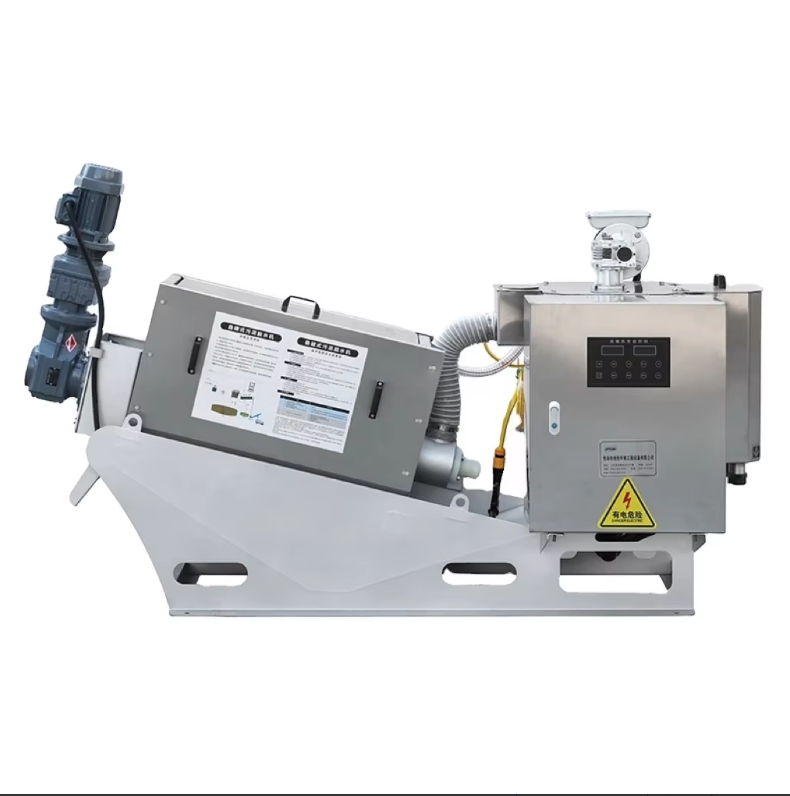
Hydraulic System Failures in Sludge Dewatering Machines
Diagnosing Low Pressure or Intermittent Actuation
Low pressure or erratic hydraulic ram movement typically stems from pump inefficiency or premature relief valve bypass—both of which undermine the consistent force required during press closure to compact filter cake. Inadequate compaction leaves residual slurry in chambers, yielding wet, unmanageable solids. Begin by verifying pump output flow under load against its rated capacity; a flow meter test quickly identifies volumetric loss due to internal wear. Next, inspect the pressure relief valve seat for debris—even a 5-micron particle can prevent full closure and bleed off pressure. Also examine directional control valve solenoids and pilot lines: varnish buildup can cause spool sticking and delayed actuation. Since contamination drives 75–80% of hydraulic failures, fluid sampling for particle count and viscosity is essential. A jumping pressure gauge during plate movement suggests air entrainment—often from a loose suction line—while fluctuating pressure may indicate a cracked piston seal allowing internal bypass. Isolate and pressure-test the main cylinder to confirm. Methodical troubleshooting—from pump to cylinder—restores the predictable, high-force actuation critical for optimal solids capture.
Identifying Leaks and Seal Degradation in High-Pressure Circuits
External leaks at cylinder rods, valve manifolds, or hose fittings are readily visible—but internal seal degradation in high-pressure circuits often goes undetected until cycle times lengthen or safety alarms activate. Polyurethane and nitrile seals degrade when exposed to water or aggressive chemicals leached from sludge, resulting in swelling, cracking, or loss of elasticity. Rod seal failure permits a thin film of fluid to escape per stroke, gradually depleting reservoir volume and reducing system pressure. To locate micro-leaks, clean all connections thoroughly and run the unit under normal load while inspecting with UV dye and black light. Prioritize inspection of the main ram packing: abrasive sludges accelerate lip wear, shortening service life by 20–40% versus cleaner applications. Also check breather caps and tank gaskets—a clogged breather can force pressurized air past compromised seals during fluid return. When replacing seals, adhere strictly to manufacturer tolerance stack-up specifications and use genuine gland components; even one deformed wear ring can misalign the rod and trigger repeat failures. Ensure the cylinder rod surface is smooth and corrosion-free—a rough finish acts like sandpaper on new seals. Routine wipe-downs and monthly drip-rate logging under consistent operating conditions help detect seal degradation before full pressure loss occurs.
Addressing Contamination-Induced Valve Sticking and Fluid Breakdown
Contamination is the primary driver of valve sticking and fluid degradation in sludge dewatering machines, where moist, abrasive environments constantly challenge system cleanliness. Particles as small as 2–5 microns can jam valve spools, causing sluggish shifting or complete seizure—and disrupting the precise open/close sequence needed for reliable operation. Metal fragments from pump or cylinder wear catalyze oil oxidation, generating sludge and varnish that raise total acid number (TAN) and erode dielectric strength. To resolve sticking, flush the valve block with high-velocity clean fluid; if unresolved, disassemble and ultrasonically clean the spool. Install a kidney-loop filtration circuit to maintain ISO 4406 cleanliness code 16/14/11 or better during peak operation. Monitor water content closely—emulsions reduce lubricity, and target levels should remain below 200 ppm. Darkened, burnt-smelling fluid signals advanced degradation: complete drain, flush, and refill are non-negotiable. For long-term reliability, equip the reservoir with high-efficiency desiccant breathers and conduct scheduled oil analysis every 500 operating hours. This protocol catches contamination early—preventing viscosity breakdown, sticky valves, and erratic ram movement—thereby extending component life across the hydraulic system.
Poor Dewatering Performance: Wet Cake and Cloudy Filtrate
Wet Filter Cake: Causes Linked to Polymer Dosage and Sludge Conditioning
Accurate polymer dosing and effective sludge conditioning are foundational to achieving dry filter cake. Under-dosing produces weak flocs that retain bound water; over-dosing creates shear-sensitive aggregates that blind filter media. Jar testing remains the gold standard for determining optimal polymer type and dose—typically high molecular weight cationic polymers with 30–50% charge density for municipal mixed sludges. Field data shows optimized conditioning can increase cake solids by 3–5 percentage points while cutting polymer use by up to 20% (Municipal Benchmarking Study, 2022). Sludge pH, temperature, and upstream biological process stability also influence conditioning efficiency. Operators should re-evaluate polymer selection after significant influent changes or seasonal temperature shifts to sustain consistent dewatering outcomes.
Cloudy Filtrate: Filter Cloth Damage, Blinding, and Solids Carryover
Cloudy filtrate usually indicates compromised filter cloth integrity or solids bypass. Pinholes, tears, or seam failures allow sludge particles to pass through, while blinding—caused by oils, greases, or colloidal fines—reduces permeability and forces solids into the filtrate. Prevention begins with daily visual inspections and a disciplined cleaning regimen: low-pressure water wash after each cycle and periodic acid washes to dissolve mineral scale. Replace cloths showing visible damage or reduced flow—proactive replacement every 2,000–3,000 hours avoids unplanned downtime and maintains filtrate clarity below 50 NTU (Industry Operational Data, 2023). Online turbidity monitoring provides early warning; sudden spikes often precede cloth failure. Ensuring even cake discharge and proper alignment of high-pressure spray nozzles further protects new cloths from premature wear.
Sludge Characteristics Driving Operational Failures in Sludge Dewatering Machines
Abrasive or Fouling Sludge Impacting Plates, Seals, and Cycle Stability
Abrasive particles—such as sand, grit, or chemical precipitates—accelerate wear on filter plates, seals, and other critical surfaces. Even moderate grit content erodes plate coatings and compromises seal integrity, leading to unexpected pressure drops and inconsistent cycle timing. Fouling sludge—rich in sticky organics or fibrous material—rapidly blinds filter cloths and causes uneven cake formation, forcing the hydraulic system to operate at elevated pressures. This increases mechanical stress, shortens maintenance intervals, and raises the risk of cascading failures. Without routine feed characterization, operators face rising unplanned downtime, reduced throughput, and escalating repair costs.
Low-Solids Feed and Thickening Gaps Causing Extended Cycle Times
Sludge with low dry solids content—commonly below 2%—overloads the dewatering stage with excess free water. The machine must process significantly larger liquid volumes to achieve target cake dryness, drastically extending cycle duration. This inefficiency most often reflects insufficient upstream thickening, where gravity or mechanical thickeners fail to deliver a consistent, higher-solids feed. Prolonged cycles increase energy and polymer consumption while stressing hydraulic and mechanical systems—raising risks of heat buildup, seal fatigue, and premature component wear.
Mechanical Wear and Structural Issues in Sludge Dewatering Equipment
Mechanical degradation is a leading cause of unplanned downtime, with a 2023 maintenance audit of municipal wastewater plants attributing over 25% of equipment failures to unchecked wear or structural fatigue. Repetitive high-pressure cycling—combined with abrasive grit in sludge—gradually erodes filter plates and frames, causing uneven cake formation, bypass leakage, and eventual plate cracking. Operators should perform regular visual inspections for pitting, warping, or thickness reduction, and use ultrasonic gauges to quantify material loss; plate thinning exceeding 10% of original specification warrants immediate replacement to prevent catastrophic failure. Frame distortion—often from hydraulic overloading or corrosion induced by conditioners like ferric chloride—misaligns the plate pack and amplifies stress on cylinders and seals. Proactive maintenance includes verifying bolt torques, inspecting weld joints for fatigue cracks, and replacing corroded support beams before they compromise the structural integrity of the entire machine.
FAQ Section
What causes low pressure or erratic hydraulic movements in sludge dewatering machines?
Low pressure or erratic hydraulic movements typically result from pump inefficiency, premature relief valve bypass, directional control valve issues, or contamination. Methodical troubleshooting can help pinpoint and resolve the issue.
How can micro-leaks in high-pressure hydraulic systems be detected?
Micro-leaks can be detected by running the system under load, using UV dye with a black light, and ensuring all connections are clean for inspection. Routine wipe-downs and monthly logging can also provide early warning for seal degradation.
What is the primary cause of valve sticking in sludge dewatering machines?
Contamination is the primary cause of valve sticking, where small particles jam valve spools and disrupt functionality. High-efficiency filtration and regular oil analysis can mitigate contamination-related issues.
How do sludge characteristics impact dewatering performance?
Abrasive particles and fouling sludge accelerate wear and prolong cycle durations. Feed characterization and upstream preparations like thickening can help optimize overall performance.
What maintenance practices prevent filter plate damage?
Regular inspections for wear, ultrasonic gauging for material loss, ensuring proper bolt torques, and replacing corroded or fatigued components prevent catastrophic failures of filter plates.
Table of Contents
- Hydraulic System Failures in Sludge Dewatering Machines
- Poor Dewatering Performance: Wet Cake and Cloudy Filtrate
- Sludge Characteristics Driving Operational Failures in Sludge Dewatering Machines
- Mechanical Wear and Structural Issues in Sludge Dewatering Equipment
-
FAQ Section
- What causes low pressure or erratic hydraulic movements in sludge dewatering machines?
- How can micro-leaks in high-pressure hydraulic systems be detected?
- What is the primary cause of valve sticking in sludge dewatering machines?
- How do sludge characteristics impact dewatering performance?
- What maintenance practices prevent filter plate damage?