In the relentless tide of accelerated global urbanization, municipal wastewater treatment plants have become critical infrastructure, functioning as the core linchpin of the urban ecological barrier. These facilities stand on the front lines, perpetu...
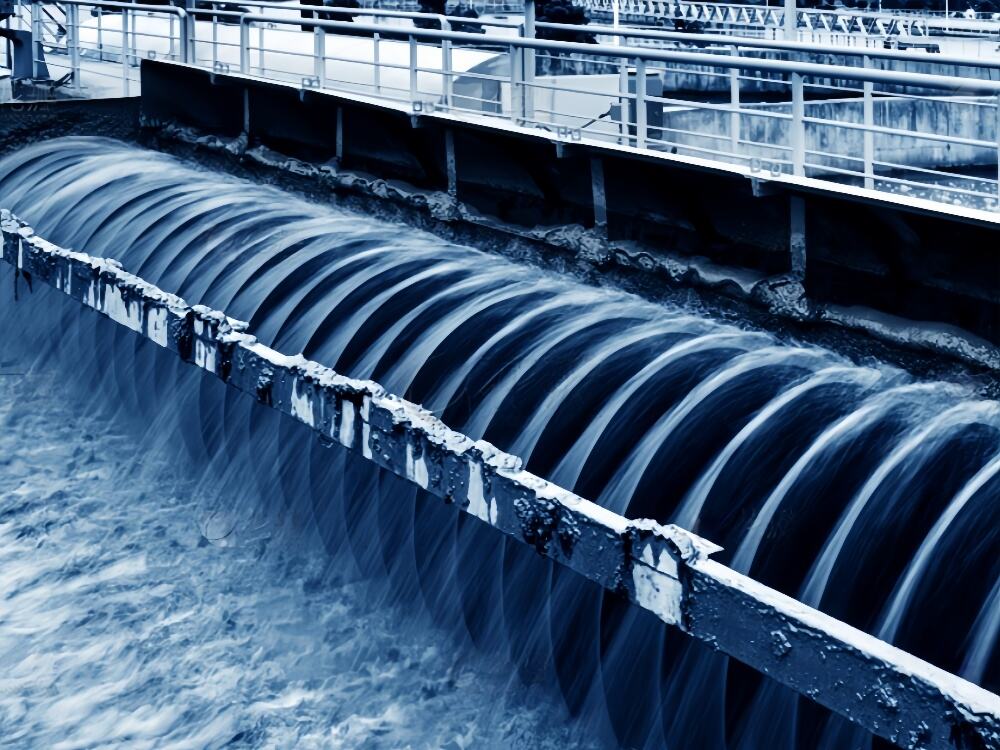
In the relentless tide of accelerated global urbanization, municipal wastewater treatment plants have become critical infrastructure, functioning as the core linchpin of the urban ecological barrier. These facilities stand on the front lines, perpetually subjected to the dual and intensifying pressures of "exponential population growth" and the imperative for "stringent water quality improvement." As cities swell, densify, and economies advance, the volume of wastewater generated multiplies, while simultaneously, public and regulatory demands for cleaner effluent and healthier aquatic environments escalate, creating a formidable challenge for municipal planners and engineers.
The case of the sewage treatment plant in the old urban area of a certain prefecture-level city in central China is a quintessential example of this widespread urban dilemma. Having been in continuous operation for over 15 years, this facility bears the marks of its era. It was designed for a different time, serving a smaller urban footprint and a less consumption-driven populace. Its service area spans 35 square kilometers, and it is responsible for the wastewater generated by 400,000 permanent residents—a number that has likely grown since its commissioning. The original design capacity was a modest 30,000 tons per day, a figure that was once sufficient. However, the twin engines of urban expansion—encroachment into surrounding districts and the influx of new residents—coupled with a dramatic rise in the standard of living, have rendered this capacity critically obsolete. The daily inflow has surged to 45,000 tons, a 50% overload that pushes the aging infrastructure to its absolute limits. This hydraulic overloading leads to reduced retention times, compromising treatment efficiency and risking regulatory non-compliance.
The challenges are not merely quantitative but profoundly qualitative. The incoming wastewater presents a complex and fluctuating chemical profile. The Chemical Oxygen Demand (COD) concentration, a key indicator of organic pollutant strength, is highly variable, swinging between 300 and 800 mg/L. This variability itself is a problem for biological treatment systems that prefer stable conditions. The composition of this wastewater is a direct reflection of modern urban life: it is laden with the by-products of household chores, including fats, oils, greases, and food waste from kitchens. A significant and problematic component is the high concentration of synthetic detergents and surfactants, which can foam and inhibit biological processes. Furthermore, despite regulations, the wastewater stream contains a cocktail of pollutants from small-scale, non-compliant industrial or commercial units that illegally or improperly discharge into the municipal sewer network. These can include heavy metals, solvents, and other recalcitrant compounds toxic to the microbial consortia essential for treatment.
Confronted with this reality, the plant's original treatment system—likely based on conventional activated sludge processes from the early 2000s—was pushed beyond its design capabilities. Key components like aeration systems, clarifiers, and pumping stations were operating inefficiently, plagued by mechanical wear, high energy consumption, and an inability to handle the nutrient loads and toxic shocks consistently. The system was on the verge of being phased out, facing the grim prospects of constant regulatory fines, public complaints about odors or receiving water quality, and ultimately, becoming a bottleneck to the city's sustainable development. A simple expansion was not enough; a technological leap was required.
It was at this critical juncture that the implementation and comprehensive renovation using the QDEVU municipal sewage treatment equipment system provided a transformative solution. This was not a mere patchwork repair but a strategic overhaul designed to future-proof the facility. The project enabled this aging urban center to achieve a leapfrog upgrade, moving decisively from providing rudimentary "basic treatment"—merely aiming to meet minimum discharge standards—to achieving the dual, superior objectives of "high-quality discharge" and "resource reuse."
So, what does this leapfrog upgrade entail in practical terms? The QDEVU system represents an integrated, advanced treatment train. The renovation likely began with enhanced preliminary treatment to handle the increased flow and screen out finer solids. The core of the upgrade probably involved replacing or augmenting the biological treatment unit with a more robust and efficient process, such as a Membrane Bioreactor (MBR). MBR technology integrates biological degradation with membrane filtration, replacing the traditional secondary clarifier. This allows for a much higher concentration of active biomass to be maintained in the reactor, leading to a significantly smaller footprint and superior treatment performance, effectively handling the fluctuating COD and ammonia levels.
Furthermore, advanced nutrient removal processes (Enhanced Biological Phosphorus Removal and Nitrification/Denitrification) were undoubtedly incorporated to tackle eutrophication potential in the receiving waters. The final and most crucial step for reuse is an advanced tertiary treatment barrier, likely involving ultrafiltration and ultraviolet disinfection or reverse osmosis. This multi-barrier approach ensures the removal of pathogens, suspended solids, and trace organics, producing an effluent of exceptionally high quality.
This high-quality product water, far exceeding basic discharge standards, becomes a valuable resource. It can be safely used for urban applications such as irrigating public parks, golf courses, and green belts, cleaning streets, supplying industrial cooling water, or for groundwater recharge, thus conserving precious freshwater resources. Simultaneously, the treatment process itself is optimized for resource recovery. The sludge generated during treatment is digested anaerobically to produce biogas, a renewable energy source that can be used to power the plant's operations, reducing its carbon footprint and energy costs. The stabilized digestate can be processed into organic compost for agricultural use.
In conclusion, the strategic integration of the QDEVU system transformed this struggling municipal plant from a liability into a community asset. It successfully addressed the dual pressures of hydraulic and pollutant loading, ensuring compliance with the most stringent environmental standards. More importantly, it ushered in a new era of circular water management for the old city, where wastewater is no longer seen as waste but as a reliable source of water, energy, and nutrients, setting a benchmark for sustainable urban infrastructure in the 21st century.
 EN
EN