 EN
EN

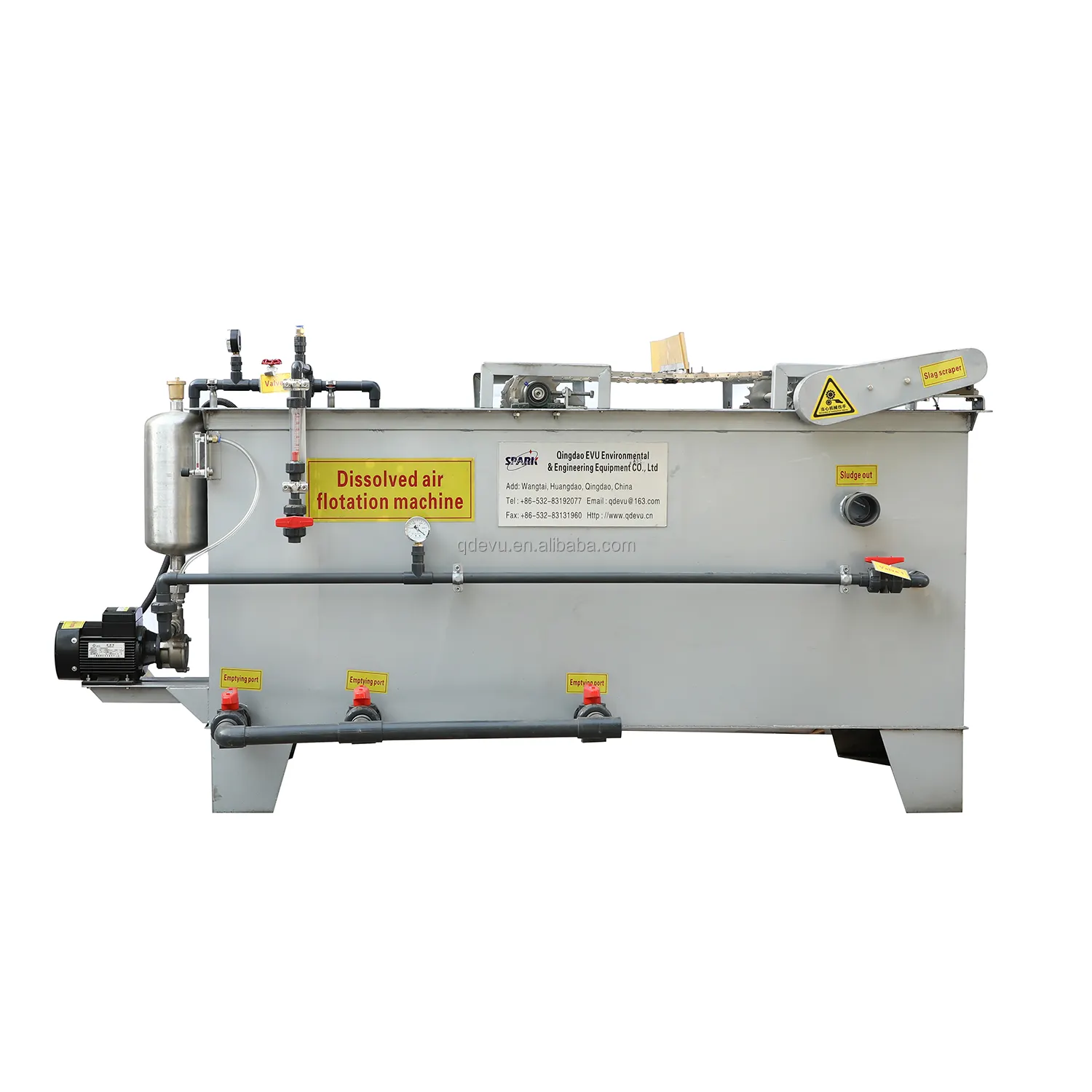
Core Principles of Dissolved Air Flotation Machine Design and Engineering
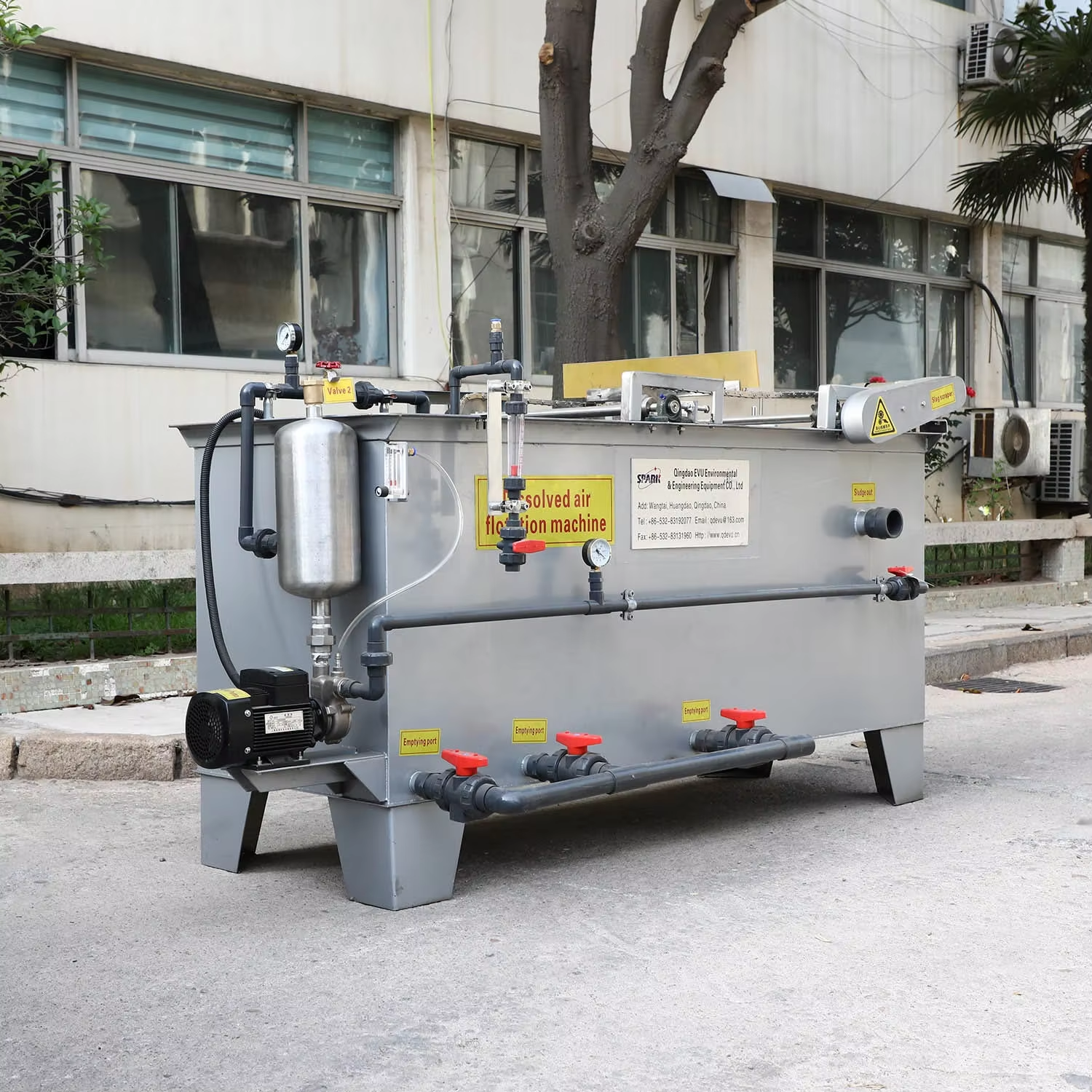
Understanding the Fundamentals of Dissolved Air Flotation (DAF) System Design and Engineering
Dissolved air flotation systems work by creating tiny bubbles that float up through water carrying along unwanted solids and oils. When it comes to designing these systems, there are several important factors to consider. The pressure inside needs to be somewhere between 50 and 70 psi for best results. Getting air properly dissolved is another big deal, with good systems achieving around 90% efficiency or better. And those bubbles themselves should measure anywhere from 10 to 100 micrometers across. Good system design actually balances two different flow patterns. First, there's turbulence where bubbles bump into particles they need to carry away. Then comes calmer areas where everything can settle out nicely without getting disrupted. This combination makes sure most of the bad stuff gets removed efficiently.
The Role of Water Chemistry, Temperature, and Pressure Effects in DAF Performance
The solubility of air in water drops significantly when temperatures range from about 10 degrees Celsius to around 40 degrees Celsius, which means operators need to adjust saturation pressures if they want their systems to perform reliably across different conditions. When it comes to pH levels, keeping them within the sweet spot of 6.5 to 7.5 really helps with coagulation processes because it lowers what's called zeta potential. Meanwhile, having enough alkalinity in the system, typically above 100 milligrams per liter as calcium carbonate, makes all the difference for creating strong flocs during treatment. For those dealing with wastewater that has high salt content, say anything over 5,000 milligrams per liter total dissolved solids, regular polymers just won't cut it anymore. Specialized options become necessary to fight off the effects of ions getting in the way and still get good flocculation results.
Hydraulic Flow Patterns and Their Influence on Contaminant Separation Efficiency
Asymmetrical flow in rectangular tanks improves oil removal by 15–20% compared to radial designs. Baffles placed at 45° angles generate controlled turbulence, increasing floc-bubble attachment efficiency by 35% (WEF 2022). Circular tanks with tangential inlets minimize dead zones by 40%, making them particularly effective for treating algae-laden waters.
Surface Loading Rate and Its Impact on Hydraulic Retention Time
The surface loading rates typically range between 2 to 8 cubic meters per square meter per hour, which strikes a good balance between effective separation (around 85 to 95% total suspended solids removal) and available space limitations. When dealing specifically with dairy waste streams where chemical oxygen demand exceeds 2,000 mg/L, operators often find that setting the rate at approximately 4.5 m³/m²/hr works best, allowing for hydraulic retention periods less than 20 minutes before treatment. However, pushing beyond 10 m³/m²/hr starts causing problems with bubble carryover, which can really mess up the final water clarity during those busy processing periods, sometimes reducing it by as much as half compared to normal conditions.
Advanced Microbubble Generation and Air Injection Mechanisms in Air Flotation Machines
How Microbubble Size Distribution and Bubble Stability Enhance Flotation Efficiency
Microbubbles of 30–50 µm maximize contaminant adhesion surface area—boosting it by 300% over larger bubbles—while maintaining rise velocities of 0.8–1.2 cm/s. Systems with <15% size variance via precision nozzles achieve 40% higher TSS removal in dairy applications. Stable bubble structures are maintained through zeta potential control (-15 to -25 mV), which prevents premature coalescence.
Innovations in Saturation Vessel Design and Air Dissolution Efficiency
Countercurrent spiral flow paths in modern saturation vessels enable 92–97% air dissolution at 5–6 bar. Per ASME 2023 Pressure Vessel Standards, triple-redundant relief systems ensure operational safety. Variable orifice controls allow precise regulation of dissolved oxygen within ±0.2 mg/L despite variable flow conditions.
Comparative Analysis of Jet-Based vs. Pump-Injector Air Dissolution Systems
| Parameter | Jet-Based Systems | Pump-Injector Systems |
|---|---|---|
| Energy Consumption | 0.8-1.2 kWh/m³ | 0.5-0.7 kWh/m³ |
| Bubble Size Range | 25-60µm | 30-100µm |
| Maintenance Frequency | Every 800-1,000 hours | Every 1,500-2,000 hours |
| Ideal Application | High-TSS Industrial Waste | Municipal Water Treatment |
Jet-based systems deliver 95% fat removal in slaughterhouse waste, while pump-injector configurations offer 28% lower operating costs in paper mill effluents requiring <50 mg/L residual oil.
Optimized Flotation Tank Configurations and Hydraulic Design for Wastewater Treatment
Rectangular vs. Circular Tank Designs: Advantages in Industrial Applications
Industrial applications benefit from tailored tank geometry. Rectangular tanks provide 15% greater solids-loading capacity (EPA 2023), ideal for refinery wastewaters where linear flow aligns with chain-and-flight sludge removal. Circular tanks, by contrast, enhance oil globule coalescence by 30% due to radial flow patterns, making them well-suited for food processing and dairy effluents.
Case Study: Optimized Tank Geometry for High-Fat-Content Effluents in Food Processing
A meat processing facility reduced COD by 40% after installing a circular tank with a 12° sloped bottom (EPA Wastewater Technology Fact Sheet 2023). This design accelerated fat skimming while sustaining a surface loading rate of 4.5 m³/m²/h—preserving hydraulic retention time even during peak production.
Hydraulic Loading Rate (HLR) and Its Synergy with Chemical Conditioning for Oil-Water Separation
| Parameter | Oily Wastewater (mg/L) | Food Processing Effluents | Chemical Industry |
|---|---|---|---|
| Optimal HLR Range | 3.2–4.8 m/h | 4.5–6.1 m/h | 2.8–3.9 m/h |
| Polymer Dosage | 25–40 ppm | 15–30 ppm | 35–50 ppm |
When paired with cationic polymer dosing, optimal HLR achieves 99.2% oil separation efficiency (Journal of Water Process Engineering 2023). Systems operating above 5.2 m/h require real-time polymer adjustments to compensate for shortened contact times with emulsified oils.
Air-to-Solids Ratio (A/S Ratio) and Chemical Optimization for Peak DAF Performance
Critical Role of Air-to-Solids Ratio (A/S Ratio) in System Optimization
The air-to-solids ratio, which basically measures how much dissolved air there is compared to the amount of suspended solids, plays a really important role in how well DAF systems work. According to recent findings published in Water Research back in 2023, keeping this ratio somewhere between 0.01 and 0.06 kg of air per kg of solids can boost contaminant removal rates by anywhere from 18% to 34% in both city wastewater treatment plants and industrial facilities. When operators push the ratio past 0.08 though, they end up using about 22% more energy without getting any real benefits. On the flip side, if the ratio drops below 0.005, the whole sludge blanket becomes unstable and starts breaking down, which nobody wants to deal with during operation.
Balancing Microbubble Generation and A/S Ratio for Peak Efficiency
The sweet spot for microbubbles appears to be around 30 to 50 microns when it comes to working with air to solids ratios for better particle attachment. Looking at actual field results, operators have found that pairing approximately 40 micron bubbles with an A/S ratio of about 0.04 can knock out roughly 95% of oil from refinery wastewater. That's actually about 15 percentage points better than what most conventional systems manage. Newer installations now come equipped with real time controllers for the A/S ratio. These smart systems tweak the saturation pressure within plus or minus 15 psi ranges to keep the bubble concentration just right even when flow rates start bouncing around throughout the day.
Chemical Dosage Optimization and Polymer Selection to Enhance Coagulation-Flocculation
What kind of polymer gets used really makes a difference in dissolved air flotation results. Studies from Environmental Science & Technology back this up, showing anionic polymers cut chemical oxygen demand by around 41% when treating dairy waste water, compared to only about 28% for cationic options. The best approach seems to be adding aluminum at rates between 10 and 25 parts per million first, then following up with polymer doses ranging from 0.5 to 2 ppm. This two step process works wonders for neutralizing charges and cuts down on sludge production by nearly 20%. Modern systems now come equipped with built in turbidity sensors that automatically adjust coagulant levels as needed. These smart adjustments keep wastewater clear enough to meet regulatory requirements, typically staying under 5 nephelometric turbidity units even when incoming water quality fluctuates. And all these improvements don't just help the environment either they also save money, cutting operating expenses somewhere between 12 and 18 percent across most facilities.
Sludge Removal, Automation, and Performance Monitoring in Modern Air Flotation Machines
Automated Skimming Technologies and Conveyor Integration for Continuous Float Removal
Today's Dissolved Air Flotation systems come equipped with helical blade scrapers alongside variable speed skimmers that keep sludge moving without interruption. The numbers tell a compelling story too - automated approaches cut down on buildup anywhere from 34% all the way up to nearly half what we see with manual cleaning techniques. Conveyors typically run somewhere around half a meter per minute right up to two meters per minute to get things flowing properly according to recent data from Water Environment Federation back in 2023. These systems often feature dual stage operations where rotary blades tackle the foam on top while submerged augers handle those heavier solids that settle below, making sure both types of contaminants get dealt with at once.
Real-Time Sensors for Turbidity, DO, and Foam Layer Thickness in Advanced DAF Systems
Sensor arrays continuously monitor dissolved oxygen (DO) (±0.2 mg/L accuracy) and turbidity (±2 NTU resolution) every 15–30 seconds, enabling dynamic control of air injection. Laser-based foam detectors maintain sludge blanket depths between 10–25 cm, preventing solids carryover. These systems reduce chemical usage by 18–22% through feedback-driven coagulant dosing tied to real-time contaminant levels.
Predictive Maintenance and AI-Driven Optimization in Next-Generation Air Flotation Machines
Machine learning models analyze over 20 operational variables—including bubble size distributions and valve cycles—to predict equipment failures 72–96 hours in advance with 89% accuracy (Journal of Water Process Engineering 2024). Cloud-connected DAF units autonomously adjust:
- Air-to-solids ratios (maintaining ±5% of setpoint)
- Recycle flow rates (reducing variability by ±7%)
- Backwash schedules based on pressure transducer trends
This AI integration extends membrane life by 12–15% and cuts energy use by 9–11% through adaptive process optimization.
FAQs
What is the optimal operating pressure for a DAF system?
The optimal operating pressure for a DAF system generally falls between 50 and 70 psi to ensure effective air dissolving and bubble formation.
How does temperature affect the performance of a DAF system?
Temperature affects air solubility in water, impacting system performance. Operators should adjust saturation pressures to maintain optimal conditions as temperature varies from 10 to 40 degrees Celsius.
What is the significance of the air-to-solids ratio in DAF systems?
The air-to-solids ratio is crucial for optimizing contaminant removal rates. Keeping the ratio between 0.01 and 0.06 kg of air per kg of solids can enhance removal rates by 18% to 34%. Exceeding 0.08 increases energy usage without benefits.
How does tank design influence wastewater treatment in DAF systems?
Tank design plays a key role in treatment efficiency. Rectangular tanks enhance solids-loading capacity, while circular tanks improve oil globule coalescence, making them suitable for specific industrial applications.
What types of polymers are most effective for DAF coagulation-flocculation?
Anionic polymers significantly reduce chemical oxygen demand, proving more effective than cationic options in coagulation-flocculation for DAF systems, particularly in treating dairy wastewater.
Table of Contents
-
Core Principles of Dissolved Air Flotation Machine Design and Engineering
- Understanding the Fundamentals of Dissolved Air Flotation (DAF) System Design and Engineering
- The Role of Water Chemistry, Temperature, and Pressure Effects in DAF Performance
- Hydraulic Flow Patterns and Their Influence on Contaminant Separation Efficiency
- Surface Loading Rate and Its Impact on Hydraulic Retention Time
- Advanced Microbubble Generation and Air Injection Mechanisms in Air Flotation Machines
- Optimized Flotation Tank Configurations and Hydraulic Design for Wastewater Treatment
- Air-to-Solids Ratio (A/S Ratio) and Chemical Optimization for Peak DAF Performance
- Sludge Removal, Automation, and Performance Monitoring in Modern Air Flotation Machines
-
FAQs
- What is the optimal operating pressure for a DAF system?
- How does temperature affect the performance of a DAF system?
- What is the significance of the air-to-solids ratio in DAF systems?
- How does tank design influence wastewater treatment in DAF systems?
- What types of polymers are most effective for DAF coagulation-flocculation?