 EN
EN

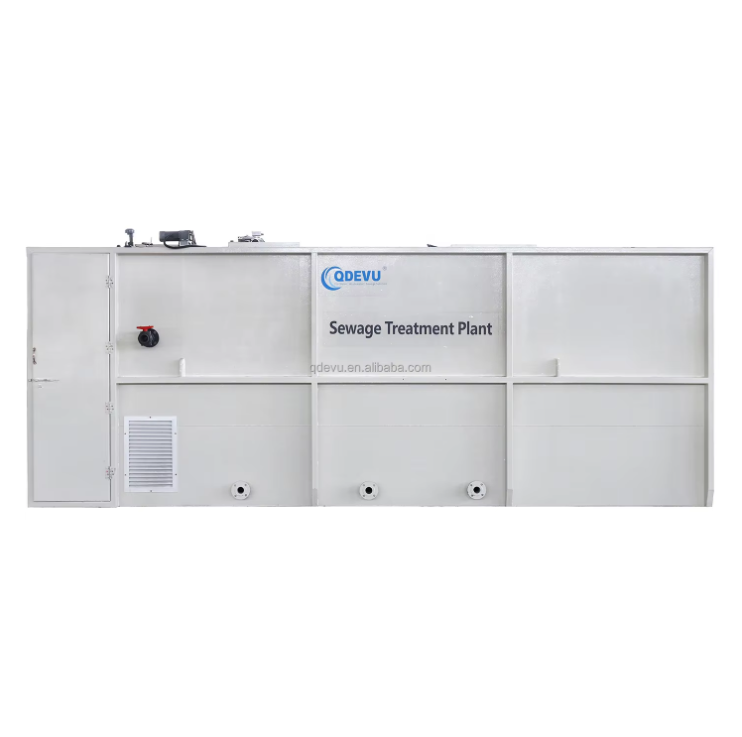
What an Industrial Wastewater Treatment Plant Actually Treats
Industrial wastewater is not one thing. It is a moving target that changes with production schedules, raw materials, cleaning cycles, and even the weather at an open yard. A plant designed around a single sample from a good day will struggle when the next batch arrives. The treatment train has to handle suspended solids, oils, heavy metals, organic load, nutrients, salts, and sometimes heat. That is why an industrial wastewater treatment plant starts with characterization, not equipment selection. Flow rate, peak factors, pH swings, and pollutant concentrations set the size of every downstream tank.
How Pretreatment Protects the Biological Core
Pretreatment is the bouncer at the door. Equalization tanks smooth flow and pH. Oil water separators and dissolved air flotation remove grease and suspended solids. Chemical precipitation and sedimentation pull out metals like copper, nickel, and zinc. If those steps are weak, the biological stage pays the price. Heavy metals can inhibit nitrifiers. Oils can coat biomass. High salts can shrink the microbial population that breaks down organics. EPA 40 CFR Part 403 provides a recognized framework for pretreatment in many industrial settings, and it exists for a reason: the biological core is sensitive.
The Biological Stage Where Most of the Work Happens
Once pretreatment does its job, biological treatment removes dissolved organics and nutrients. Activated sludge, MBR, MBBR, and sequencing batch reactors all rely on the same basic idea: microorganisms consume carbon, nitrogen, and phosphorus. The difference is how solids are kept in the system. An MBR uses membranes to hold biomass, which allows a smaller footprint and a clearer effluent. An MBBR uses moving media to add surface area. SBRs cycle through fill, react, settle, and decant in one tank.
Each option has limits. MBR membranes need cleaning and can foul on high oil or high fiber streams. MBBR media can clog if pretreatment is poor. SBRs need reliable valves and controls because timing drives performance. The table below compares common biological options.
| Process | Typical strength | Footprint | Main watchout |
|---|---|---|---|
| Activated sludge | moderate to high | large | bulking, settling |
| MBR | moderate to high | compact | membrane fouling, cleaning |
| MBBR | low to moderate | medium | media clogging, mixing |
| SBR | low to moderate | medium | valve reliability, timing |
Solids, Sludge, and the Separation Step People Underestimate
Sludge handling is where many plants lose their mass balance. Secondary clarifiers or membranes separate treated water from biomass. Waste activated sludge is thickened, dewatered, and sent to digestion, composting, or disposal. A screw sludge dewatering machine can reduce volume, but performance depends on polymer dosing and feed consistency. If the sludge is too thin or too old, the dewatering step will produce a wet cake and high hauling costs. Designers who ignore sludge often create a plant that meets discharge limits but cannot manage its own solids.
Controls, Sampling, and Discharge Compliance
Compliance is not a monthly lab result. It is a continuous control problem. Online pH, ORP, dissolved oxygen, and turbidity sensors help operators steer the process. Flow proportional sampling, as described in ISO 5667 guidance, gives a more honest picture than a grab sample taken at noon. A programmable logic controller can adjust aeration, chemical dosing, and return sludge rates. But automation only works when the instruments are calibrated and the sample points are representative. A plant with perfect chemistry and poor sampling can still fail a permit.
Matching the Plant to the Waste Stream Before Construction
The biggest mistake in industrial wastewater projects is copying a municipal design. Industrial streams are more variable, more concentrated, and more likely to contain inhibitors. A pilot test or at least a detailed treatability study is worth the time. In a retrofit at an electronics and plating park in southern China, the project team found that nickel and complexed copper were reaching the biological tank through a floor drain that had been overlooked. The biomass lost nitrification for weeks. The fix was not a bigger tank. It was source separation, a dedicated metal precipitation line, and a conductivity trigger to divert high salt batches. That kind of finding rarely shows up on a drawing, but it decides whether the plant works.
Characterize the waste stream by production line, not just by plant average.
Separate high strength, high salt, and toxic streams at the source.
Size equalization for the worst week, not the average day.
Plan sludge handling before the first tank is poured.
EVU operates as an integrated technology enterprise in water treatment, covering R&D design, equipment manufacturing, installation and commissioning, and training. Its product range includes integrated sewage treatment plants, MBR systems, seawater desalination systems, screw sludge dewatering machines, reverse osmosis pure water machines, and polyaluminium chloride. For industrial wastewater projects that need equipment and process support under one roof, that range can reduce coordination gaps between design and startup.
Table of Contents
- What an Industrial Wastewater Treatment Plant Actually Treats
- How Pretreatment Protects the Biological Core
- The Biological Stage Where Most of the Work Happens
- Solids, Sludge, and the Separation Step People Underestimate
- Controls, Sampling, and Discharge Compliance
- Matching the Plant to the Waste Stream Before Construction