 EN
EN

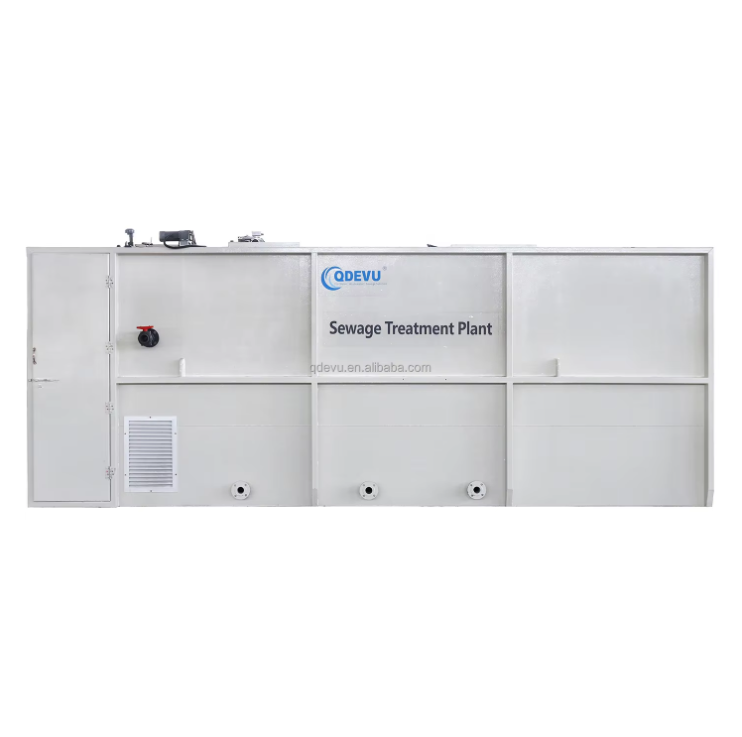
The Real Problems Factories Bring to the Treatment Train
Factory floors do not produce a steady, tidy stream. Production campaigns shift, cleaning chemicals change, and batch dumps arrive without warning. An industrial wastewater treatment plant has to absorb that chaos and still send water that meets a permit. The challenge is not only removing pollution. It is protecting the biological core, keeping solids under control, and avoiding a shutdown when one upstream line releases something unexpected. A plant that ignores variability will fail on the worst day, not the average day.
Meeting Discharge Limits While Production Keeps Moving
Discharge limits are the first external pressure. Local permits often cap COD, BOD, total suspended solids, ammonia, phosphorus, heavy metals, and pH. Some factories also face salinity or toxicity limits. A treatment plant that relies on a single process can struggle when limits tighten. Biological treatment handles organics and nutrients well. Chemical precipitation handles metals. Membrane filtration polishes suspended solids and pathogens. The real design question is how these steps buffer each other. If production doubles for a week, equalization volume and aeration capacity decide whether the permit holds.
EPA 40 CFR Part 403 provides a widely used pretreatment framework for industrial dischargers in the United States. It exists because municipal plants cannot accept every industrial stream without limits. Factories that treat on site face the same logic: protect the downstream process, or pay for the failure later.
Variable Loads and Toxic Shocks That Kill Biomass
The biological stage is powerful but not forgiving. Nitrifiers are slow growers, and a slug of heavy metals, solvents, or high salinity can set them back for weeks. A common mistake is to size tanks for average load and then wonder why ammonia slips during a campaign. Equalization, source control, and online monitoring are cheaper than rebuilding biomass.
| Challenge | Typical cause | Practical response | Risk if ignored |
| Flow surge | batch dump, tank cleaning | equalization tank, flow pacing | solids washout |
| pH swing | caustic or acid clean | neutralization, pH control | biomass inhibition |
| Heavy metals | plating, catalysis | precipitation, ion exchange | nitrification loss |
| High salinity | dyeing, desalination, pickling | source separation, dilution, halophilic culture | osmotic shock |
| Oil and grease | machining, food prep | DAF, coalescer, skimming | fouling, oxygen transfer loss |
A Case Where a Hidden Drain Broke Nitrification
At a textile and dyeing park in southern China, the treatment plant had been stable for months. Then ammonia in the effluent jumped and stayed high. The team checked aeration, dissolved oxygen, and sludge age. Nothing explained it. A walk through the production area found a floor drain that carried spent dye liquor and high salt rinse water into the biological tank during night shifts. Conductivity in the tank had climbed above the normal range, and nitrifiers had stalled. The fix combined source separation, a dedicated equalization line for high salt batches, and a conductivity trigger that diverted those batches to a separate pretreatment step. Ammonia recovered in about three weeks. The lesson is blunt: an industrial wastewater treatment plant can only treat what reaches it in a predictable way.
Sludge, Brine, and the Costs That Outlive the Build
Liquid discharge is only one output. Sludge, concentrated brine, and spent media all carry cost. Dewatering performance depends on feed consistency and polymer selection. A screw sludge dewatering machine can reduce volume, but it cannot fix a process that produces unstable sludge. Brine from reverse osmosis or demineralization needs a disposal path. Factories that plan for these streams early avoid a common trap: meeting the water permit while creating a solid waste problem. ISO 14001 gives a management framework for tracking these flows, but the engineering still has to match the site.
Water Reuse and the Limits of Closing the Loop
Reuse is attractive when water costs are high or discharge is restricted. A treatment train with ultrafiltration, reverse osmosis, and disinfection can produce water for cooling, washing, or landscaping. The catch is concentrate. Reverse osmosis does not destroy salt. It moves it into a smaller stream that still needs handling. Reuse also changes the chemistry of the remaining wastewater, which can affect biological treatment. Closing the loop is a system decision, not a single equipment purchase.
Match reuse quality to the actual end use.
Plan concentrate management before installing membranes.
Check how reuse will change influent strength to the treatment plant.
Keep a bypass or buffer for upset conditions.
EVU works as an integrated technology enterprise in water treatment, covering R&D design, equipment manufacturing, installation and commissioning, and training. Its product range includes integrated sewage treatment plants, MBR systems, seawater desalination systems, screw sludge dewatering machines, reverse osmosis pure water machines, and polyaluminium chloride. For factories that need a treatment train built around real production patterns, that combination of process knowledge and manufacturing capability helps keep design, equipment, and startup aligned.
Table of Contents
- The Real Problems Factories Bring to the Treatment Train
- Meeting Discharge Limits While Production Keeps Moving
- Variable Loads and Toxic Shocks That Kill Biomass
- A Case Where a Hidden Drain Broke Nitrification
- Sludge, Brine, and the Costs That Outlive the Build
- Water Reuse and the Limits of Closing the Loop