 EN
EN
DAF as the First Line of Defense for Downstream Processes
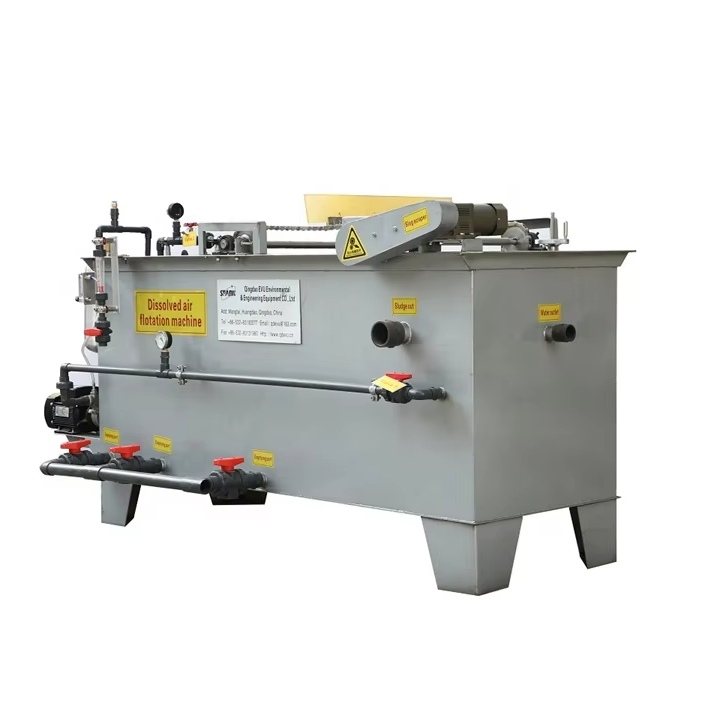
Every wastewater treatment plant that handles industrial effluent has a bottleneck somewhere. In food, chemical, and oil processing plants, that bottleneck is often the first unit operation that receives the raw stream. When dissolved air flotation sits at the head of the treatment train, it removes the fats, oils, greases, and fine suspended solids that would otherwise coat biological reactors, blind filter media, and force downstream equipment into early failure. A rendering plant engineer once described how the activated sludge basin downstream of their DAF unit used to turn into a foam filled mess every time the slaughter line processed a fatty animal batch. After the DAF was tuned to capture over ninety percent of the incoming grease, the foaming stopped and the aeration blowers ran at a steady load for the first time in years. The U.S. Environmental Protection Agency’s guidelines for meat and poultry wastewater recognize that removing the heavy solids and oil load before biological treatment is not just good practice, it is essential for stable operation. By acting as a shock absorber, DAF lets the downstream processes focus on what they do best: degrading dissolved pollutants and polishing the water, rather than fighting a battle against solids they were never designed to handle.
Creating a Balanced Biological Treatment Ecosystem
Biological treatment systems are living ecosystems, and like any ecosystem they need a predictable food source. An activated sludge basin that receives a slug of emulsified oil or a sudden spike in suspended solids will respond with filamentous bulking, oxygen crashes, and a loss of nitrification. A DAF unit placed between the equalization tank and the aeration basin delivers a clarified effluent with consistent characteristics. A dairy plant in Central America that processes condensed milk found that by installing a DAF unit to remove butterfat before their sequencing batch reactor, the dissolved oxygen profile stopped swinging wildly and the SVI, or sludge volume index, dropped from over one hundred eighty to below eighty. The resulting biomass was denser, settled faster, and required far less polymer in the secondary clarifier. Publications from the Water Environment Federation highlight that a consistent organic loading rate is one of the strongest predictors of biological treatment stability. DAF provides that consistency by removing the floating fraction that gravity settling alone cannot capture.
Protecting Membrane Systems and Enabling Reliable Water Reuse
Membrane bioreactors, ultrafiltration, and reverse osmosis systems have become common in industrial wastewater treatment as discharge limits tighten and water reuse becomes a business priority. These membranes are expensive and highly sensitive to fouling by oils, grease, and colloidal solids. A DAF unit that delivers effluent with less than twenty milligrams per liter of total suspended solids can extend the interval between membrane chemical cleans by a factor of two or three. An engineering team at a petrochemical complex reported that after they inserted a DAF unit between their oil water separator and their UF membranes, the trans membrane pressure rise slowed dramatically, and the cleaning chemical usage dropped by over forty percent. This translated to fewer production interruptions and a longer membrane life, which changed the economics of their reuse project. The American Water Works Association’s microfiltration and ultrafiltration guidelines specifically recommend that pretreatment for membrane systems target the removal of the same fine particles and oils that DAF is designed to capture. When DAF is integrated as the membrane pretreatment step, the entire reuse loop becomes more predictable and less maintenance intensive.
Chemical Synergies That Reduce Operating Costs Across the Plant
A treatment train should be more than the sum of its parts, and integrating DAF with downstream processes creates opportunities for chemical synergy. In some metal finishing and chemical plants, the iron or aluminum salts used as coagulants in the DAF unit can carry over and act as a conditioning agent in the downstream sludge dewatering step, reducing the total polymer demand. A food processor that ran a DAF ahead of a dissolved air flotation thickener for waste activated sludge found that by splitting their polymer dose, they could use the same chemical in both units and reduce their total annual polymer spend by roughly fifteen percent. Other plants recover the float from the DAF and mix it with primary sludge to improve the dewaterability of the blend, cutting disposal costs. The key to unlocking these synergies is process integration. When the DAF is sized and positioned correctly within the treatment train, the chemistry of one stage supports the next, rather than working against it.
Absorbing Shock Loads With a Multi Barrier Approach
Industrial production is messy. A tank overflow, a batch dump, or a cleaning cycle can send a wall of highly concentrated wastewater through the drain faster than any single treatment device can handle. A multi barrier treatment train that leads with DAF absorbs these shocks because the chemical conditioning and flotation cycle can be adjusted rapidly. If the incoming load suddenly doubles, the operator or the automatic control system increases the coagulant dose and the recycle ratio, and the DAF continues to produce acceptable effluent. This gives the downstream biological or membrane stages time to adjust without being overwhelmed. A chemical plant that produces emulsified polymers described an incident where a tank cleanout sent a peak load of sticky, high COD waste toward the treatment plant. The DAF unit captured the bulk of the polymer solids, and the downstream moving bed biofilm reactor barely noticed the event. The alternative, a direct hit on the biofilm media, would have required weeks of recovery. The concept of multi barrier treatment is endorsed by the World Health Organization in its wastewater reuse guidelines, and DAF serves as a robust first barrier in that chain.
How EVU Engineers Integrated DAF Systems for Long Term Performance
The success of an integrated treatment train depends not just on the choice of technology but on how well each component is engineered to work with the others. EVU has built its reputation on designing dissolved air flotation systems that fit seamlessly into broader wastewater treatment schemes. Every DAF unit is sized based on the specific pollutant load from the upstream process and the requirements of the downstream equipment, whether that is a sequencing batch reactor, a membrane system, or a discharge to the municipal sewer. The company uses corrosion resistant materials and standardized saturator designs that maintain consistent whitewater quality, while its control panels include the input and output signals needed to tie into a plant wide SCADA network. EVU’s manufacturing operation is structured to deliver integrated DAF solutions on predictable lead times, and its technical support continues through commissioning and beyond. For plant managers who need their entire treatment line to perform as a single, reliable system, partnering with a manufacturer that understands both the DAF unit and the ecosystem around it makes the difference between a collection of equipment and a genuinely integrated process.
Table of Contents
- DAF as the First Line of Defense for Downstream Processes
- Creating a Balanced Biological Treatment Ecosystem
- Protecting Membrane Systems and Enabling Reliable Water Reuse
- Chemical Synergies That Reduce Operating Costs Across the Plant
- Absorbing Shock Loads With a Multi Barrier Approach
- How EVU Engineers Integrated DAF Systems for Long Term Performance